Statements of Transilvania Bank representatives at ZF Bankers Summit 2026 – Day #1
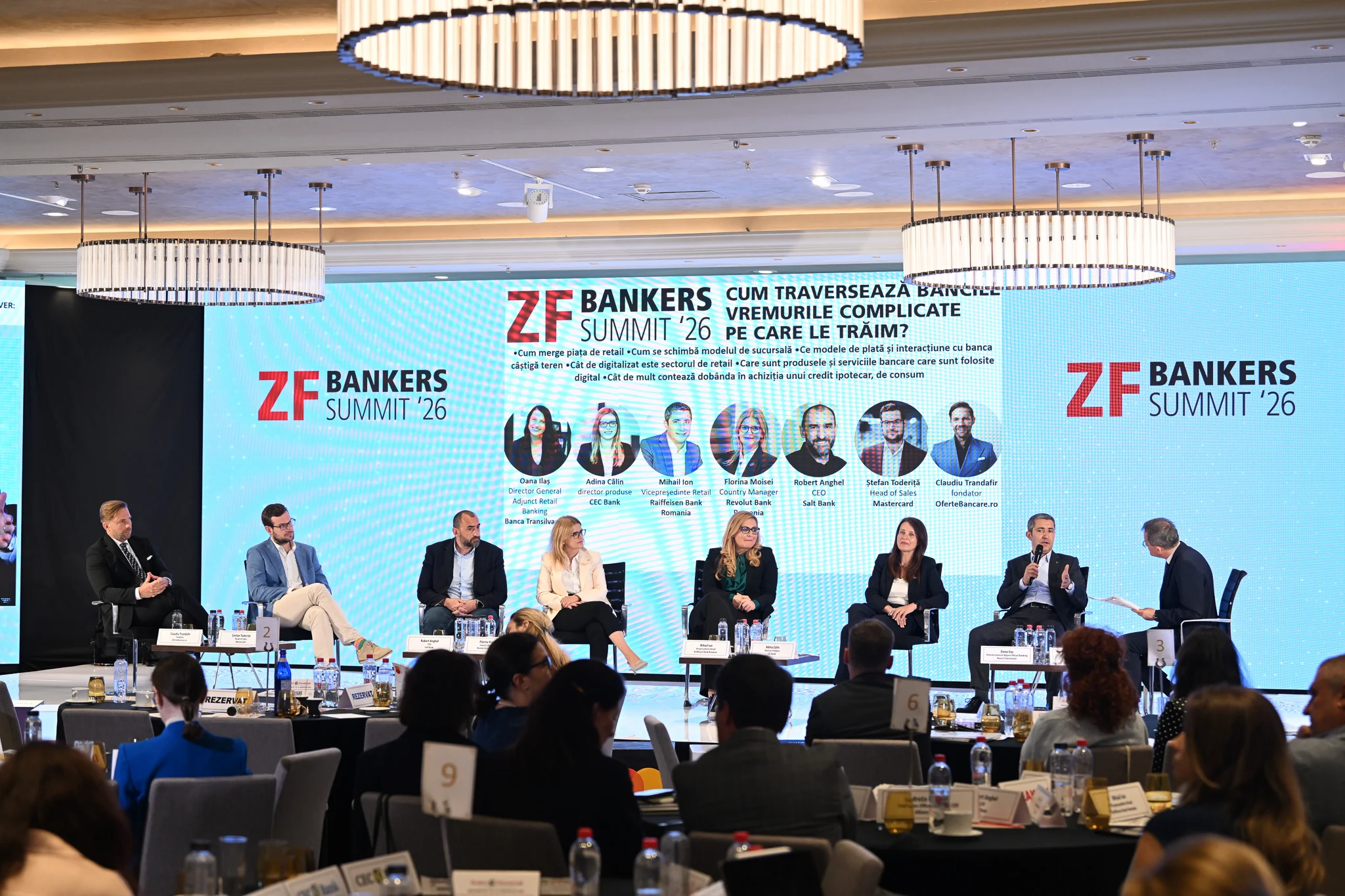
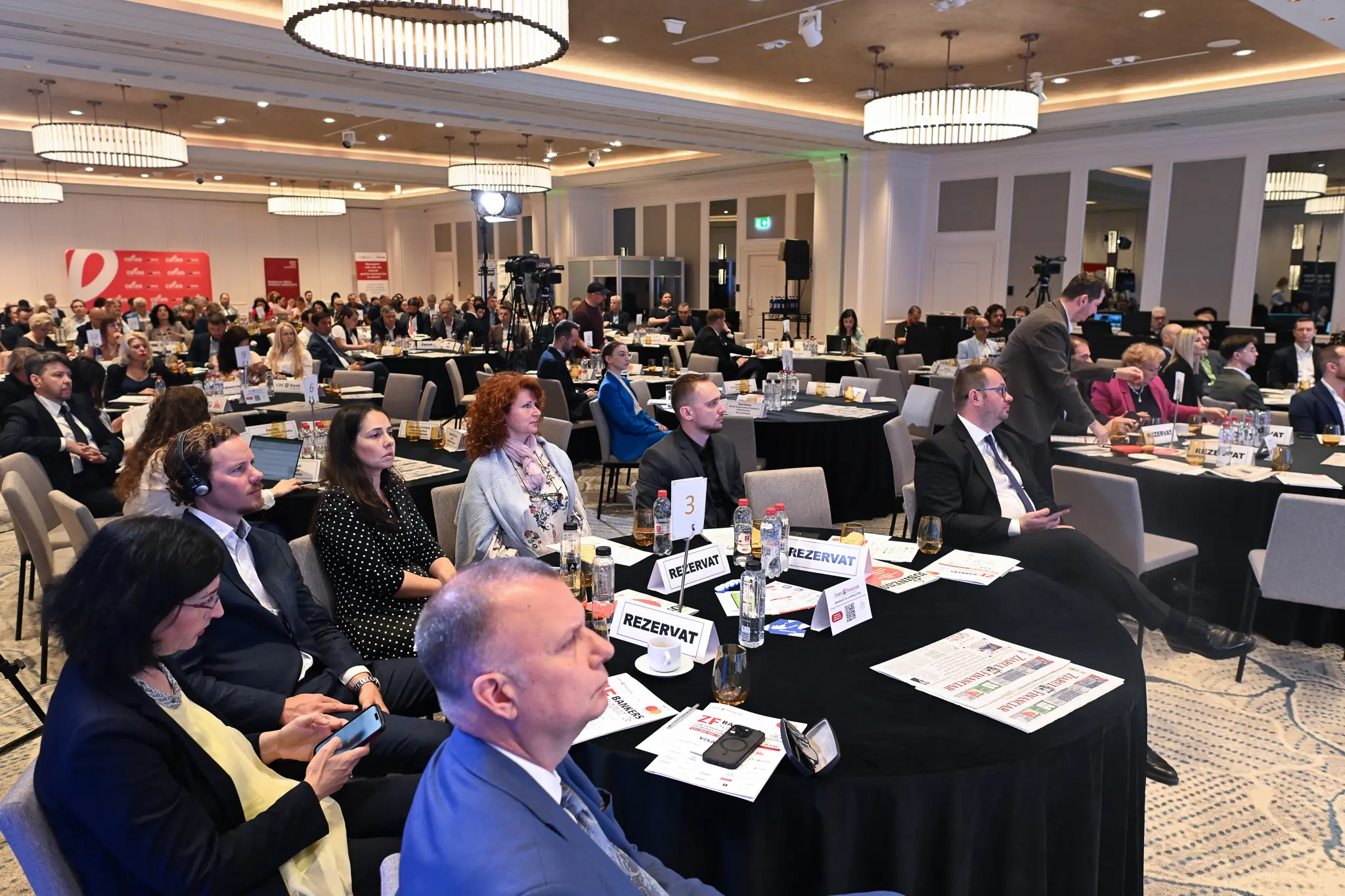
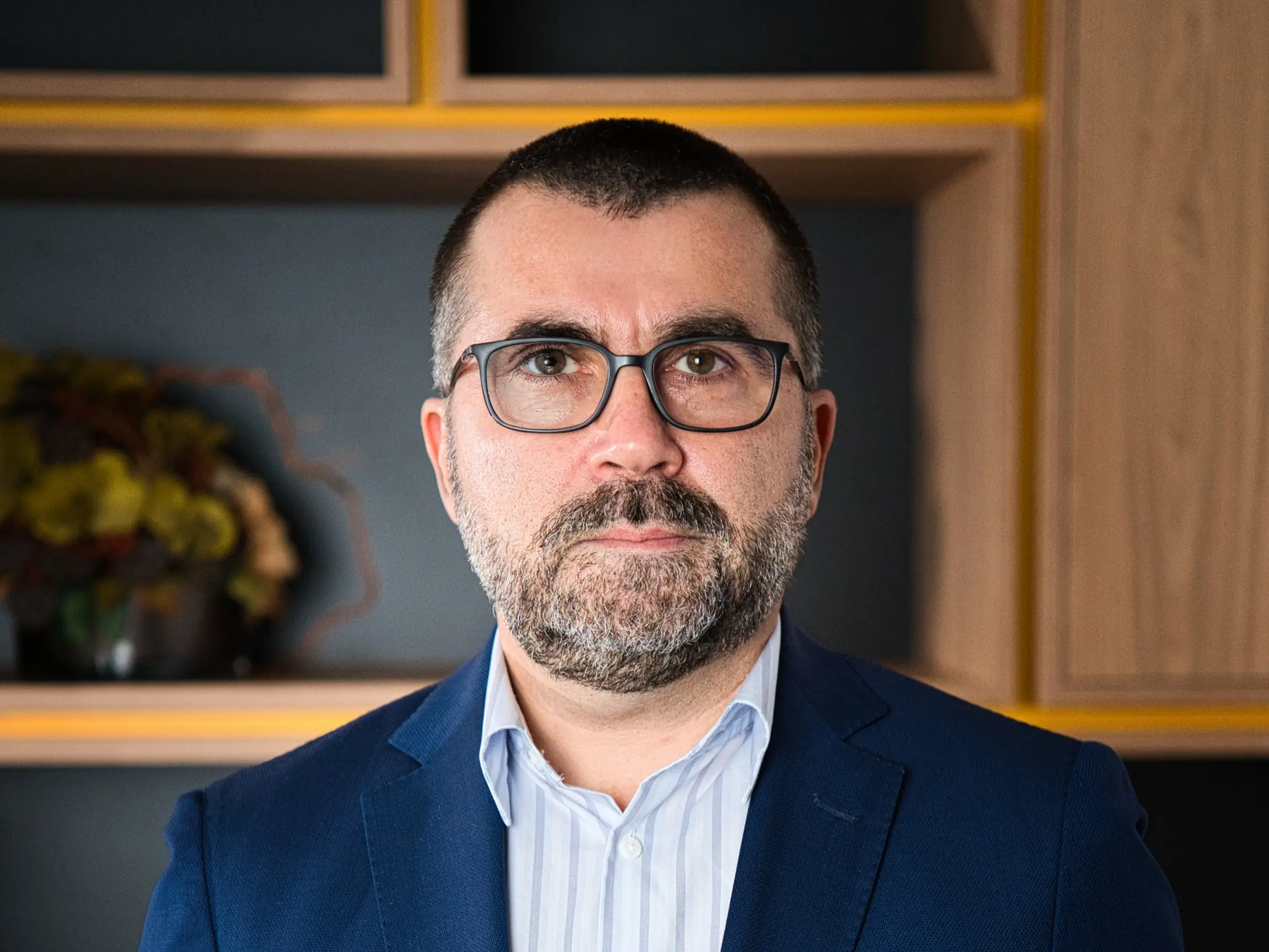
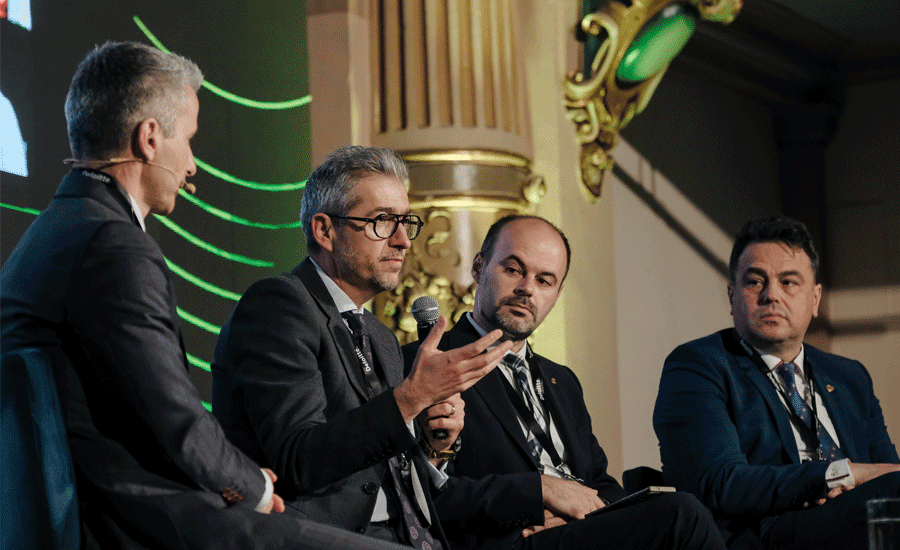
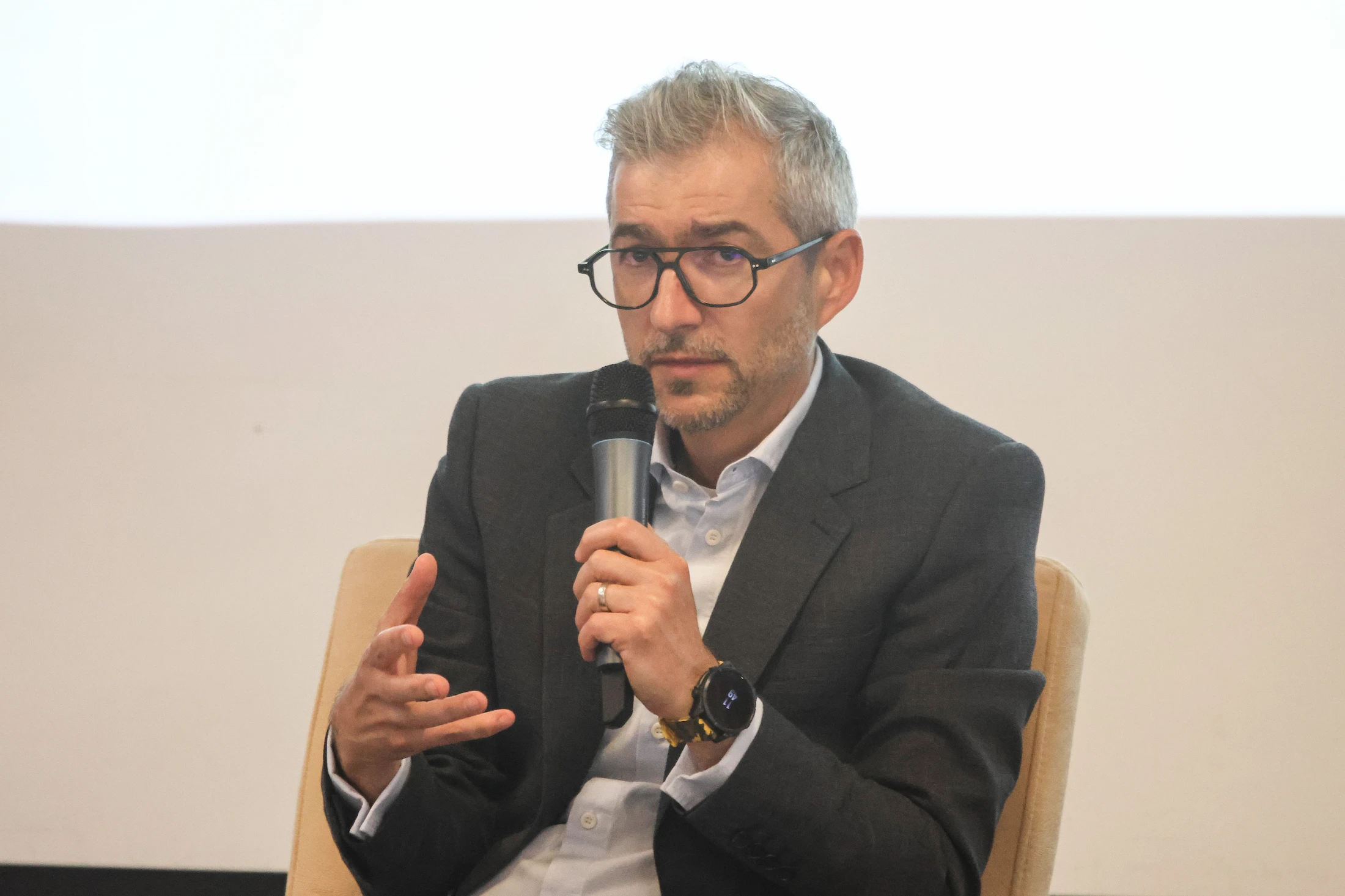
La ZF Bankers Summit 2026, organized by Financial Newspaper in 2-4 June, Banca Transilvania was represented throughout the first day by Ömer Tetik, CEO, Cosmin Călin, Deputy General Director Large Corporate, Aurel Bernat, Executive Director of Financial Institutions and Investor Relations, Oana Ilaș, Deputy General Manager Retail Banking and Cătălin Caragea, Deputy General Director Risk.
Statements from the second day of the event can be found here.
Ömer Tetik, CEO Banca Transilvania:
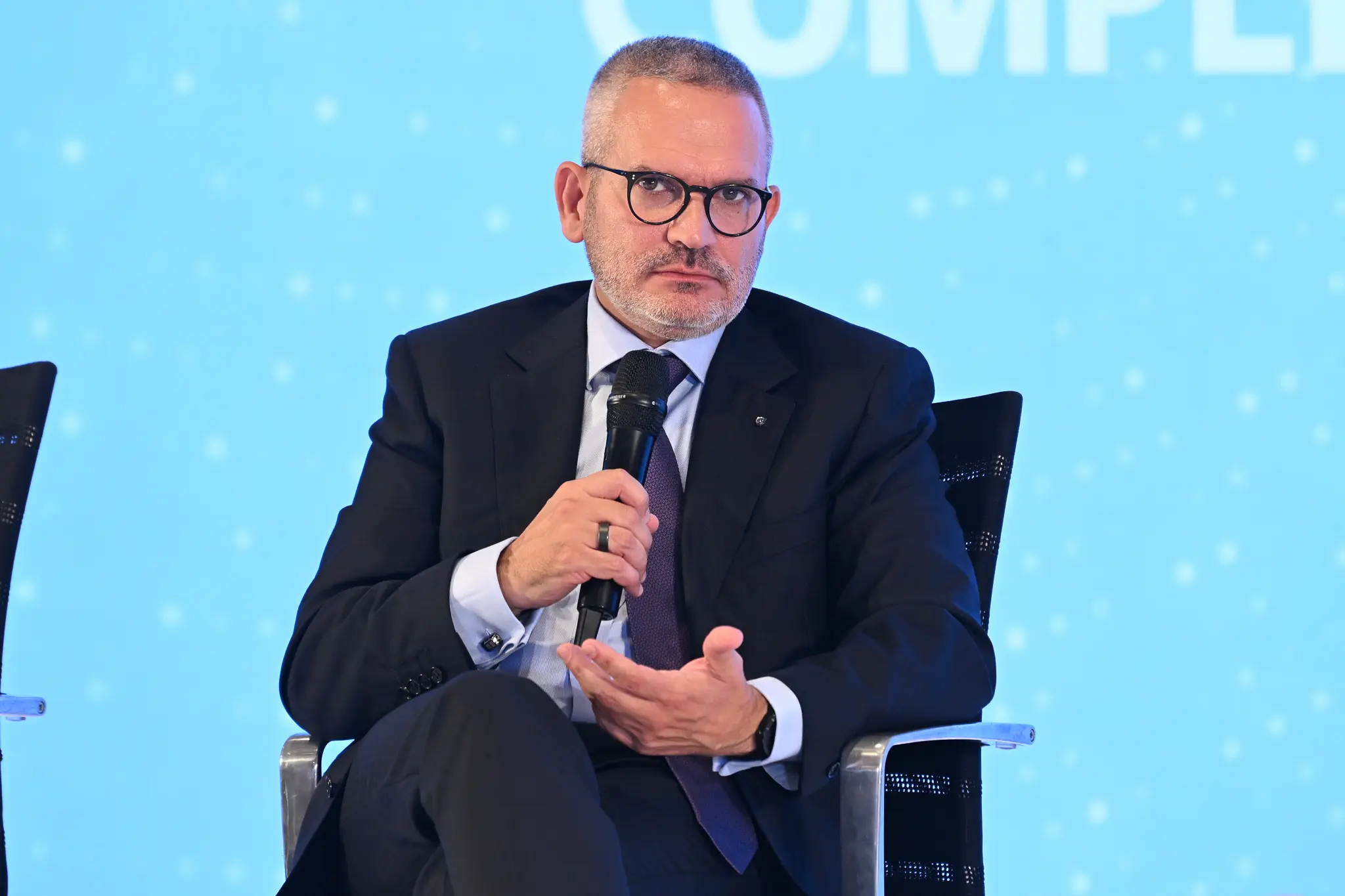
- The stability of the banking system is very solid from the point of view of capitalization and liquidity, we are in the best shape, both Banca Transilvania and the banking system.
- Our focus remains on Romania because, since we are still behind and there is potential for lending and growth, we do not want to lose this focus. If we look at four cycles of five years each, we see that Banca Transilvania has doubled its assets every five years. This is also our target, at least for the next period. If we double the bank's assets in the next five years, we will only be on trend, meaning it is not a very ambitious target. This is our stake and vision.
- We also look abroad, not necessarily because we can make a difference in countries like France or Germany, where banking systems are very strong. In a few countries around Romania, we want to open either representative offices or branches.
- We built the budget for 2026 in November and did not change anything, despite external and internal changes, including the geopolitical context in the Middle East and the internal political situation. We kept our commitment to deliver an almost 10% increase in lending.
- In the last 10–20 years we have grown through consumption, and now Romania is changing and moving towards an economy based on production, industrialization, and infrastructure investments. Demand in the small business or retail sector is more tempered, but that does not mean it has disappeared. Growth continues: in the first quarter we opened over 130,000 accounts at BT. Payments through BT Pay are very popular and visible on the local market.
- A higher growth rate and credit demand are seen in the area of renewable energy, storage, and batteries, where investments are significant, but also in infrastructure – from hospitals to roads. After two or three years, we will be surprised at how quickly we will reach Sibiu, Iași, and other cities. Currently, we mainly feel the discomfort of the works when traveling between cities. Even agriculture, through investments in irrigation and machinery, has great potential. Romania can become an important supplier of food products for Europe.
- Digitization of the economy is an end-to-end process; we cannot digitize only the banking sector, but digitization is also needed at the level of central administration and small and large companies. 10 years ago we announced that we had reached 1 million card transactions on Black Friday. In 2025, on Black Friday, we recorded 11 million transactions. Adaptation is rapid, including in rural areas.
- About the Competition Council investigation: The basic scenario is that in the next four to five years there will be litigations and discussions, in case fines are applied. It is not about amounts or their impact; our objective is to demonstrate that there was no cartel or agreements and that the evolution of ROBOR was determined by market factors – international markets, inflation, and the reference rate. It is common sense from everyone to continue crediting and developing the economy rather than wasting time with some wrong perceptions.
Cosmin Călin, Deputy General Manager Large Corporate, Structured Financing and Factoring:
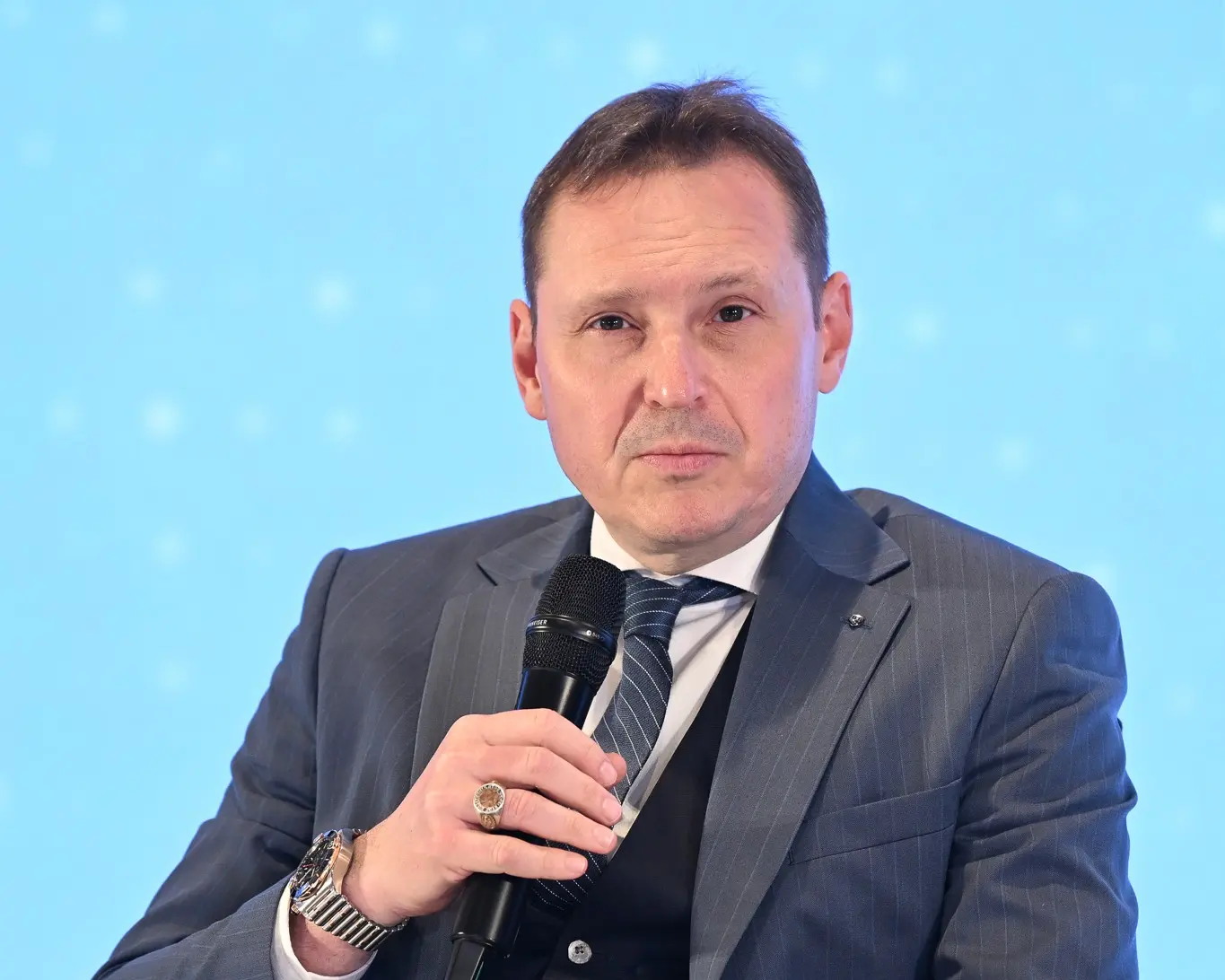
- The effects are also felt and the policies for the last five years are paid. At the same time, 2026 also came with its own turbulences. When you think that nothing else can happen, unexpected events occur. No one expected the Gulf crisis. However, we learned what such a crisis means and also saw the resilience of the Romanian economy.
- After a very good 2025 for us, in 2026 we continued the process of organizing the organization and capitalizing on all the synergies resulting both from the integration of OTP Bank Romania and from organic growth.
- We look at the second half of the year with optimism. An improvement in the credit sector is noticeable and it seems a light at the end of the tunnel is beginning to be seen. There are opportunities, and at the same time we hope that this period of uncertainty will calm down in the near future.
- There are local opportunities in almost any field, starting from IT&C, where we are already a regional and even global force, up to the latest trends generated by programs such as SAFE, from drone and anti-drone system manufacturers to the most sophisticated technological solutions. We are talking about a very wide spectrum, from projects plain vanilla up to the most advanced and innovative ideas.
- In general, in the M&A area we see a very high potential, without specifying any particular sector. We are quite strong in this component and we have the capacity to offer solutions both locally and regionally. There are significant opportunities in most sectors of the economy.
- Each M&A transaction comes with a growth component. Any such transaction provides a platform for future financing and business development. In the last six years, we have greatly developed this line of business. We started with smaller sized transactions and have reached medium and large value transactions. Currently, we have a non-performing loan (NPL) rate below 1%, which shows that the M&A activity has been properly managed and that it offers real growth opportunities.
- Retail remains an extremely important sector in Romania, with prospects for growth and market consolidation. Also, in the healthcare area we have seen both local and regional consolidations. In conclusion, the mix of opportunities is divided between local organic growth and regional expansion, supported by transactions and consolidation processes.
Aurel Bernat, Executive Director Financial Institutions and Investor Relations:
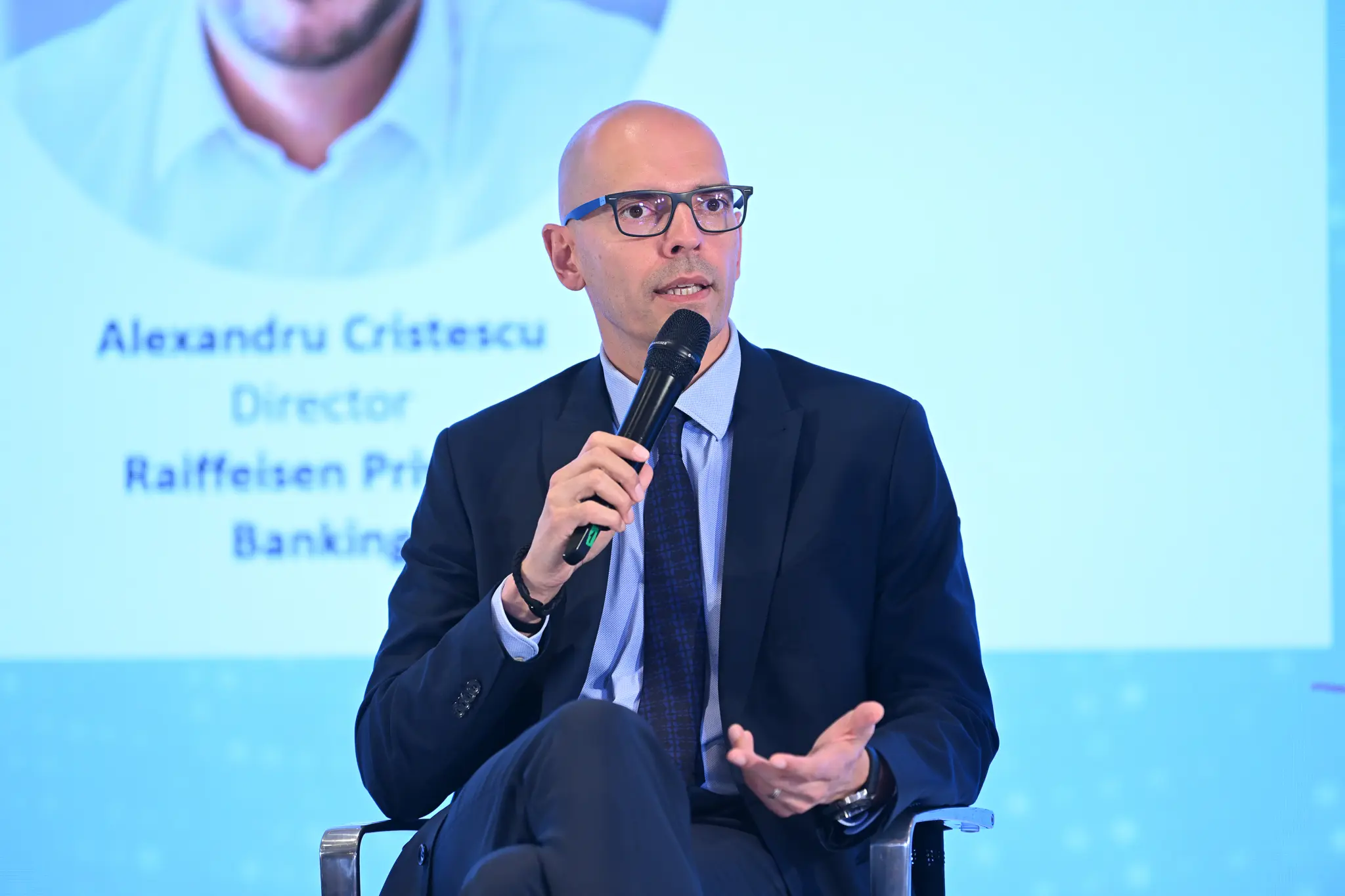
- We observe how portfolios and ETFs begin to gain traction. If we look regionally at the local market valuation, we are below our neighbors. Bulgaria is doing better than us.
- The context is an inflationary one, in which investors closely look at the opportunities and alternatives they have from an investment perspective. On the other hand, the impact of investment funds and pensions is still quite limited as a percentage of GDP. Only recently are we seeing real traction towards investments.
- We are looking at an image in which alternatives are being sought, the returns are attractive, but this should not represent an end point, rather it should give us confidence, considering that we have reached 500,000 clients in investment funds. It seems to me that we are only now truly beginning to talk about these things.
- If we look at Romania as it is, we notice two major industries listed with significant traction: banking and energy. These sectors are on the rise, and the market is also on the rise. Investors look at Romania with respect, and if the political problem is resolved in time, then our potential should be reflected in higher valuations.
- Although we all agree that past performance is not a guarantee, it is very relevant to the local market and encourages investors to invest. However, there is also the issue of inflation, which many investors perceive as pressing. In this context, a simple form of protection is to focus on instruments with higher potential.
- We can make investments in real estate, but immediate liquidity and the local market, as it is, still offer retail investors the possibility to quickly liquidate their portfolios. Romania remains a country where the dividend is still high, around 7–8%, which is attractive, especially in the context of the fight against inflation.
- From what we observe, the deposit base is still growing, which means that people remain attracted to passivity in choice. At the same time, we have double-digit growth in onboarding.
- It is easy for us to say that this money comes from others, from our competitors. Looking at the overall economy, there is an advance of 3 to 5% in alternative assets, and this should also lead to an increase in the deposit stock. The difference that enters funds is relatively small, we are talking about 5–6 billion lei per year – it is not a figure that significantly impacts the total deposit stock. The fact that now it begins to be seen a pick-up, a normalization, gives us the impression that a lot of money is being collected.
- My fear is that we worry too much about the capital market. Imagine that we have a war near us, another one a bit further away, geopolitical instabilities, inflation. I wonder what will happen when everything calms down. What we see is that any negative event no longer even affects the price of oil. I believe that we are on a positive wave, and this wave must be ridden from an investment perspective. We have a horse that pulls well.
Oana Ilaș, Deputy General Director Retail Banking:
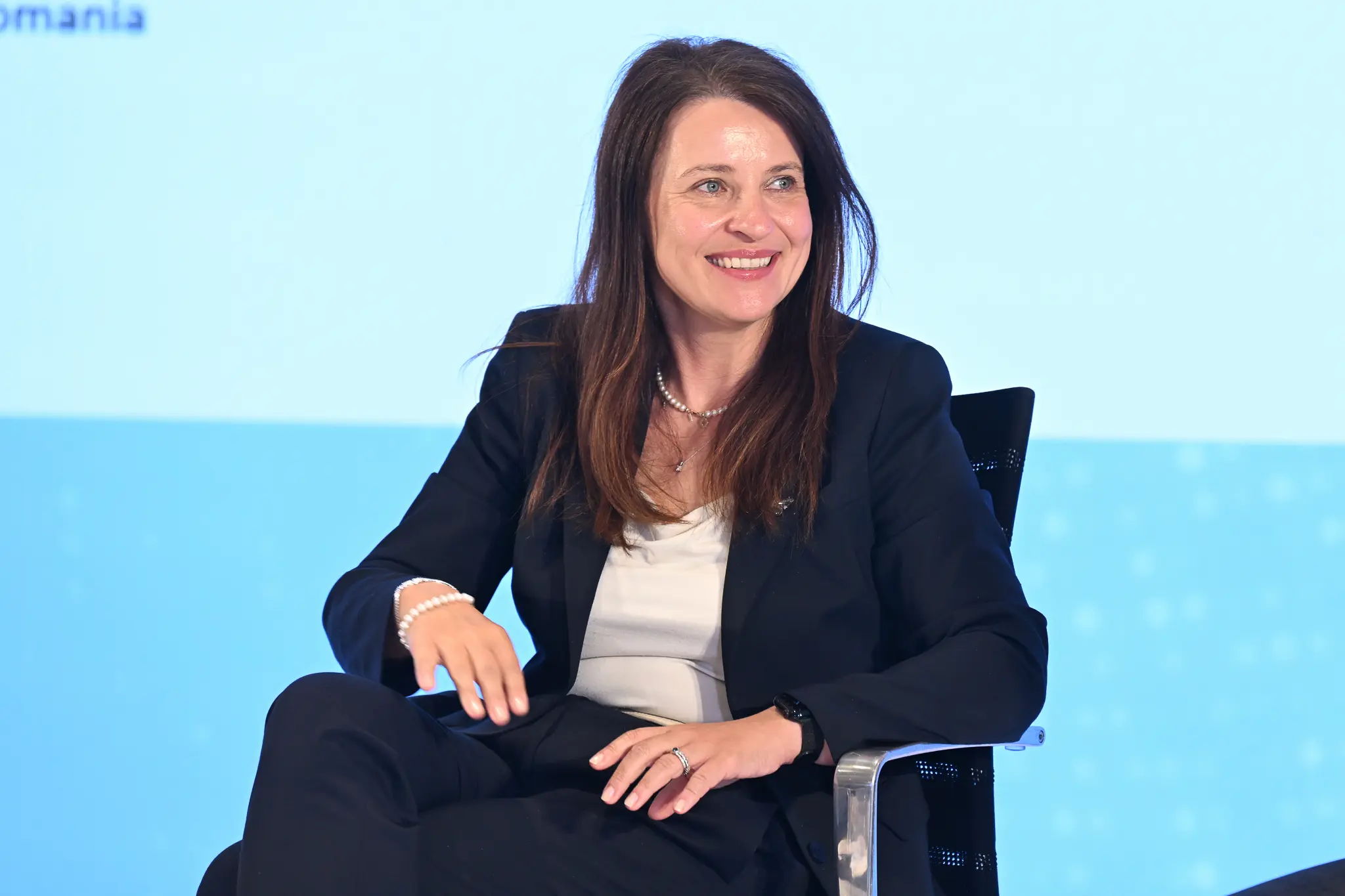
- We are no longer just talking about banking products per se, but about solving people's needs in the environment where they came, whether it is bancassurance, eSIMs, travel insurance, an easy way to pay their bills, or to connect small groups - parents, children, friends - among themselves. I believe the retail landscape has changed a lot and many opportunities are coming.
- Retail still has potential to attract new customers, and here the choice we made, consciously, to remain a universal bank matters a lot, even if it has not always been the easiest option. This means working with all customer segments and responding to very diverse needs, including in the area of cash operations. For us, however, this diversity represents a great opportunity. We have approximately 5 million retail customers and continue to grow from month to month.
- I believe that the level of financial inclusion in Romania is still below potential, which means that there are still significant opportunities for growth, including through the integration of Romanians from the diaspora. We can attract new clients to the extent that the ecosystem we are building concretely responds to their needs and offers them relevant and easy-to-use services. For this reason, one of our priorities has been to continuously develop and improve this ecosystem.
- The loan demand still went well in the first part of 2026, with a higher appetite for consumer loans. I believe this behavior also reflects the Romanians' desire to maintain a certain lifestyle, even in a context where purchasing power is affected. A foreign economist recently observed that Romanians continue to resort to credit cards or consumer loans to compensate for the decrease in real wages. At the same time, the mortgage loan segment also continued to perform well.
- Credits have a very important role in retail banking, but the reality is that, out of approximately 5 million clients, only 1.2 - 1.3 million have a credit product, regardless of its type or even multiple types of credits. That is why I strongly believe that the fundamental relationship with the client must be built, first of all, on experience. Trust begins there and it is also where a functional, relevant, and sustainable relationship is built, day by day.
Cătălin Caragea, Deputy General Director Risk:
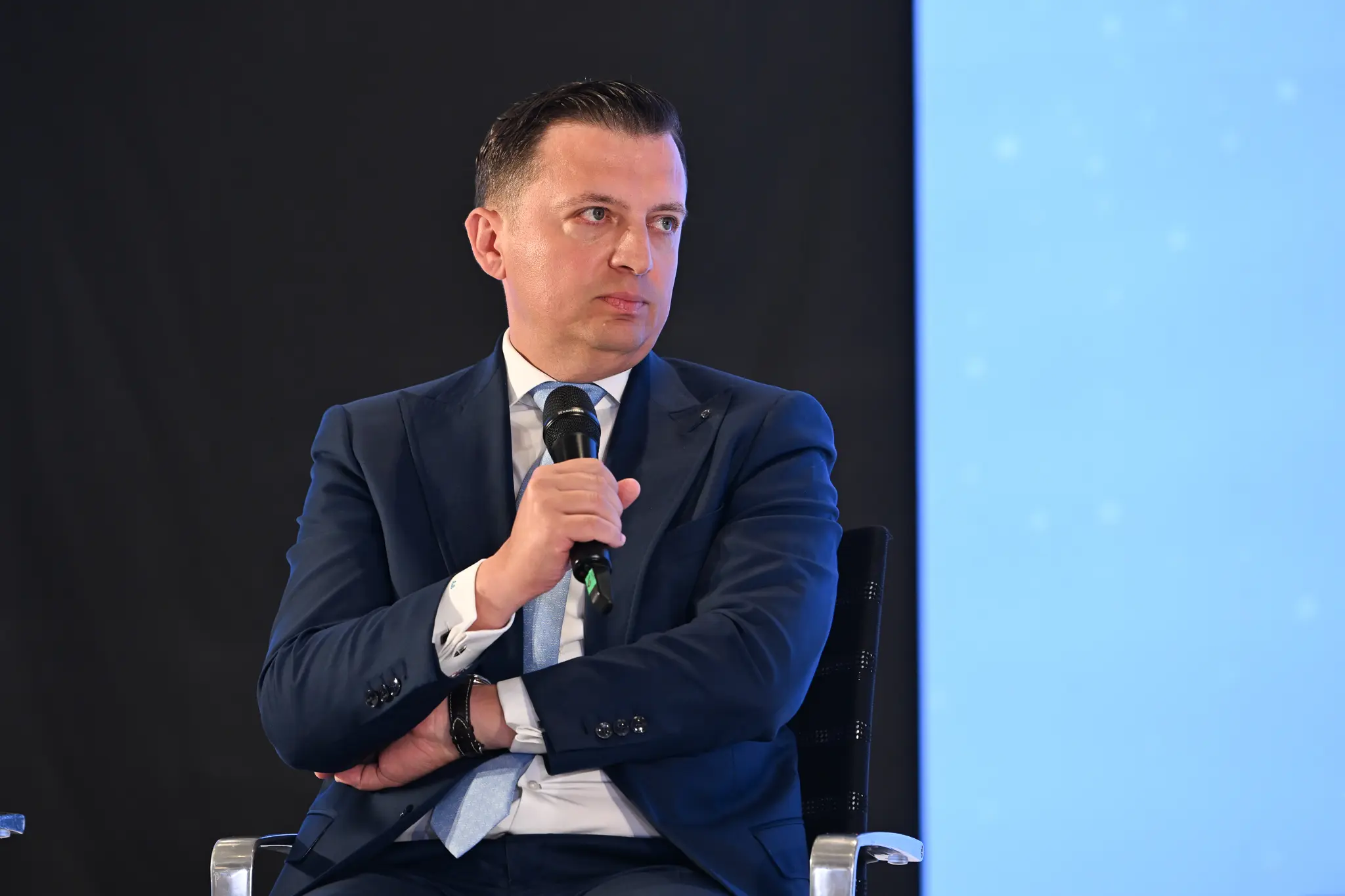
- Currently, when we talk about risks, we have a common factor: politics. And here I am not referring to the political class, but to political risk as a whole. In this context, we can talk about two typologies: on the one hand, geopolitical risk, which we cannot control, and on the other hand, the internal component – which concerns the political class, governance and institutions.
- Political risk is rather a trigger event, decât un risc în sens clasic și are impact asupra mai multor categorii de risc, în special asupra riscului de credit.
- Financing risk can be immediately affected in the event of a downgrade, which represents a significant risk. When the cost of financing increases, this is reflected in rising prices – not only in the cost of lending but, generally, at the level of all costs.
- We do not have any sector that we say we do not finance, except for those with reputational risk. If I were to talk about the sectors to which you pay a little more attention, they are the usual suspects. Construction is a sector that requires greater attention, but in a developing economy, without construction you cannot develop.
- The difference compared to 10 years ago is that the part of civil engineering has diversified. If 10 years ago we were looking very much and with greater focus towards the road infrastructure part, now we also look at railways, we look at hospitals, we look at the energy sector and the agricultural one. It is important in construction how you finance and what you finance. You don't start financing speculatively, hidden constructions or real estate financing that is hidden under the form of constructions.
- Agriculture for Romania is an essential segment, even though it has 2.5% of GDP. Romania is the 5th largest country in terms of area. We have to look at the entire chain. We have subsistence agriculture because we lack the investment part. When agriculture is done mostly by small farmers, siloed and so on, then you cannot have commercial agriculture.
- These two I would say are the segments that are strategically important for Romania, but which are also a little shaky, so it requires greater attention from banks when financing. And now a few sectors that are dependent on the price of energy, which can be affected by the conflict in the Middle East, such as transport, logistics, and maybe the manufacturing industry, which is energy-consuming, have come into focus.
- We have an unexplored potential that is enormous. If all the players at the table, the politicians, the authorities, and the private sector united our forces, we could be somewhere else.