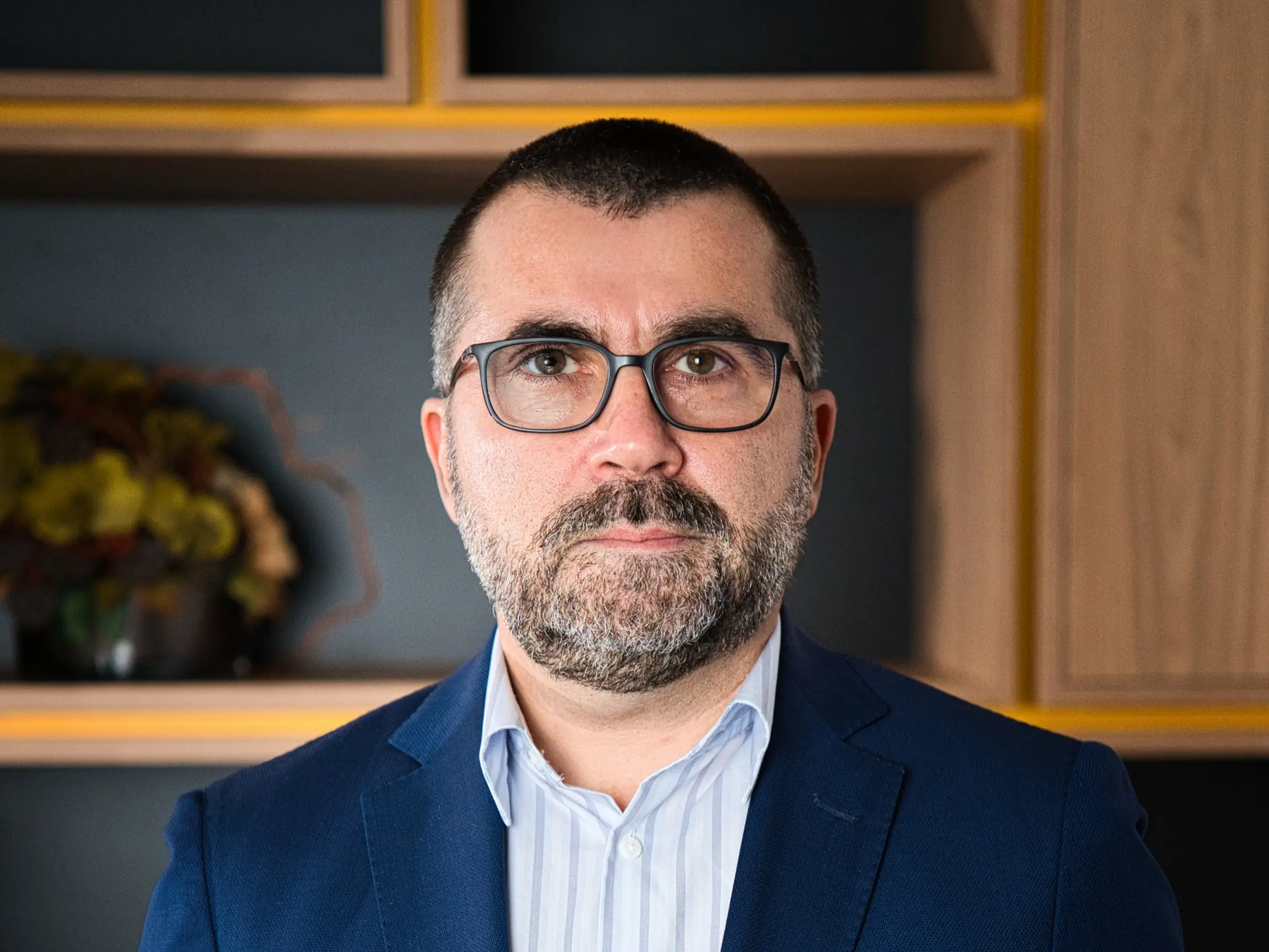
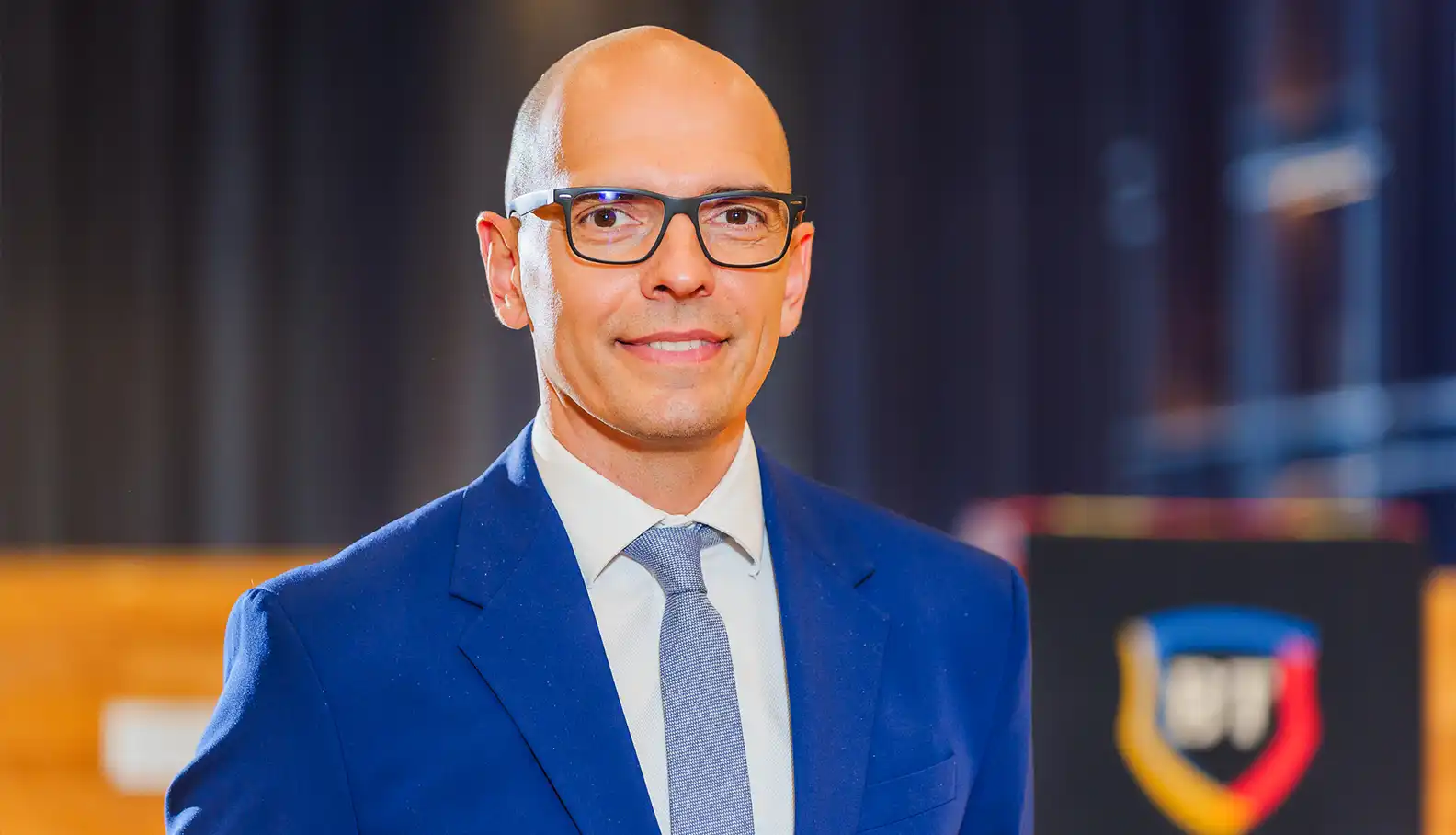
Oana Ilaș, BT, in the Top 100 most powerful women in business: The new leadership model in an increasingly digital bank
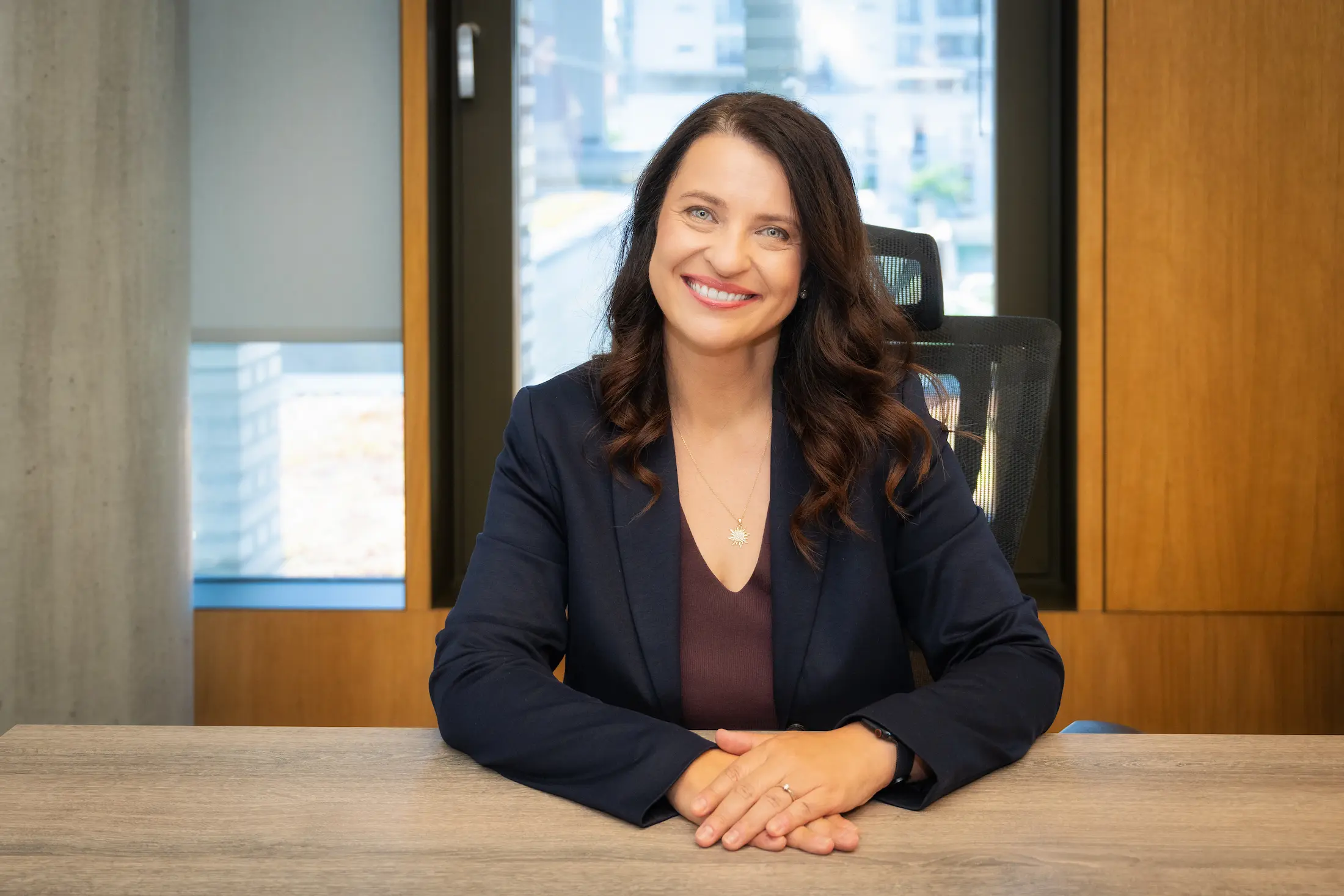
Oana Ilaș, Deputy General Director Retail Banking of Transilvania Bank, coordinates the business segment for individuals and private banking, as well as the development and management of retail products – from loans, cards, bancassurance, deposits, to retail digitized projects, retail data analytics, contact center & customer care, credit processing, as well as the management of foreign branches. With over 20 years of experience at BT, she has significantly contributed to accelerating the bank's digital transformation and consolidating its leading position in card services. She is a member of the Board of Directors - BT Credit Office, as well as on the Board of Directors of BT Direct and BT Asset Management, companies of the Banca Transilvania Financial Group. Oana Ilaș is also the President of the Executive Committee of Visa Romania.
On the occasion of being included in the top 100 most powerful women in business, she gave an interview to Business Magazine, in which he talks about the bank's digital transformation and about new leadership models that encourage innovation, autonomy, and accountability within teams.
What are you building now differently compared to the beginning?
If I refer to the beginning of my career at Banca Transilvania, back then I built products, processes, and volume. It was a necessary stage for consolidating the customer base, operational optimization, increasing market share, and building trust.
Today, the stakes are completely different. We are building digital ecosystems that integrate the bank into people's daily lives. Our role is no longer just that of a financial services provider, but of an infrastructure that simplifies decisions and creates continuity in user experience. The major difference is the paradigm shift: we optimize products, but we also design experiences. We track, of course, quarterly performance, but also long-term relevance. Moreover, we build with a much more rigorous discipline of execution. We have learned that innovation without consistent implementation is just intention. Today, speed, data, and the ability to scale are defining elements.
At a personal level, the difference is that now I build everything with more clarity about the impact. At first, I was more focused on immediate results, as is natural, but today I pay attention to how our work changes the clients' lives, not just the business indicators. It is a change, a transformation that forces you to be more present, more connected, more responsible.
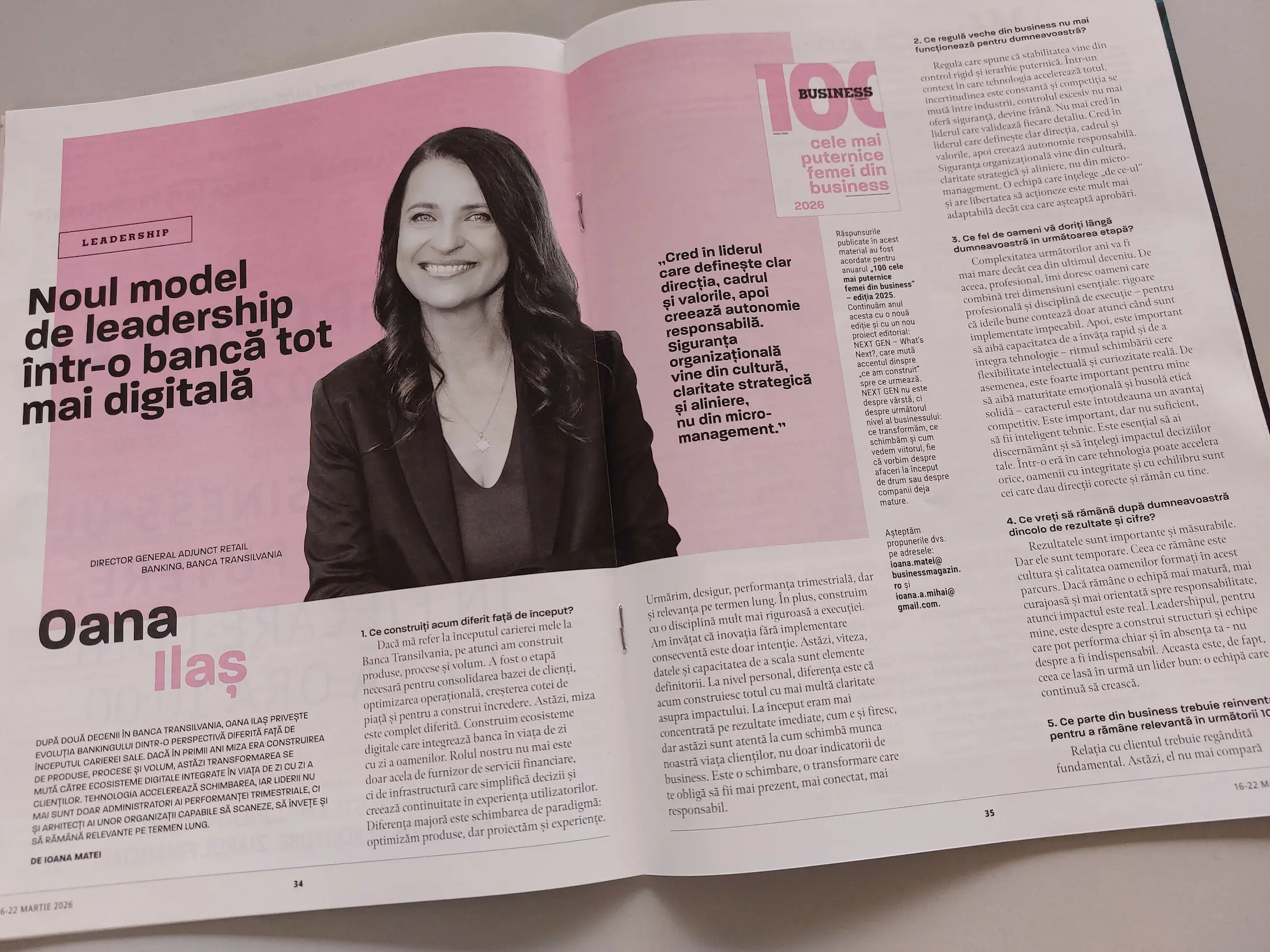
What old rule in business no longer works for you?
The rule that says stability comes from rigid control and strong hierarchy. In a context where technology accelerates everything, uncertainty is constant and competition moves between industries, excessive control no longer offers safety, it becomes a brake.
I no longer believe in the leader who validates every detail. I believe in the leader who clearly defines the direction, framework, and values, then creates responsible autonomy. Organizational safety comes from culture, strategic clarity, and alignment, not from micromanagement. A team that understands the "why" and has the freedom to act is much more adaptable than one that waits for approvals.
What kind of people do you want next to you in the next stage?
The complexity of the coming years will be greater than that of the last decade. That is why, professionally, I want people who combine three essential dimensions: professional rigor and execution discipline – because good ideas matter only when they are implemented flawlessly. Then, it is important to have the capacity to learn quickly and to integrate technology – the pace of change requires intellectual flexibility and genuine curiosity. Also, it is very important for me that they have emotional maturity and a solid ethical compass – character is always a competitive advantage.
It is important, but not enough, to be technically intelligent. It is essential to have discernment and to understand the impact of your decisions. In an era where technology can accelerate anything, people with integrity and balance are those who give the right directions and stay with you.
What do you want to remain after you beyond results and figures?
The results are important and measurable. But they are temporary. What remains is the culture and quality of the people trained in this journey. If a more mature, braver, and more responsibility-oriented team remains, then the impact is real. Leadership, for me, is about building structures and teams that can perform even in your absence - not about being indispensable. This is, in fact, what a good leader leaves behind: a team that continues to grow.
What part of the business needs to be reinvented to remain relevant in the next 10 years?
The relationship with the customer must be fundamentally rethought. Today, he no longer compares the banking experience with other banks, but with the best digital experiences in the world. This means radical simplicity, intelligent personalization, anticipation of needs, and being there where people need it in everyday life. I believe that in the next 10 years the difference will not be made by the products themselves, but by the ability to integrate data in an ethical, predictive, and relevant way. Banks, in general, must become less transactional and more contextual – to be there where people need them.
Where do you see the greatest growth opportunity that others have not yet seen?
I see the role of the bank more and more as an orchestrator of ecosystems. There is a major opportunity in integrating financial services into platforms dedicated to entrepreneurs, communities of all kinds, the diaspora, or certain industries. Sustainable growth comes not only from lending but from the bank's ability to become an integrator, connecting services, building partnerships, having digital identity, and offering financial education within a coherent experience.
What role does technology and AI play in the next chapter of business?
Artificial intelligence is a structural change, not a upgrade incremental. It will influence how we make decisions, how we manage risk, how we personalize the customer experience and how we increase operational efficiency. Whether it scares us or not, it will influence how we live and work. But technology is only an accelerator. If the organization has strategic clarity, solid culture and discipline, artificial intelligence accelerates progress. If these elements are missing, it can amplify imbalances. The real challenge I do not see in the technical area, but rather in the cultural area: how prepared we are to adopt new ways of working, to trust data and to build responsibly in a world where speed becomes the norm.
What mindset do you need to change as a leader for the next stage?
For the upcoming period, the essential change is the transition from the role of a detail-involved executive to a strategic architect. As the organization grows, my role no longer comes from optimizing specific processes, but from the ability to build frameworks of thinking, to define clear directions, and to ensure coherence among initiatives. It is an exercise in maturity to accept that your impact comes more from the alignment you create, the clarity you provide, and the space you leave for the teams to perform – more than from direct intervention. Practically, you move from to do you, to make possible.
What should the next generation learn from your journey?
That sustainable performance is built over time. Enthusiasm is important, but discipline, consistency, and the ability to stay focused on strategic objectives are what make the difference. I would also add assumed vulnerability and authenticity, which are not incompatible with executive performance. On the contrary, they create trust, cohesion, and a type of leadership that endures over time.
If you were to rebuild the business from scratch tomorrow, what would you do differently?
I would build on a native digital, modular, scalable architecture. I would organize teams around experiences, not traditional structures, to create simple and coherent flows for customers. I would integrate a culture of experimentation and rapid iteration from day one, so that continuous learning becomes part of the DNA. I would invest significantly in the financial and digital education of customers. An informed customer is not "just" a service user, they are a growth partner, which fundamentally changes the relationship between the bank and customers, community.
What lifestyle rituals do you no longer negotiate?
I have redefined the relationship with time and energy. Daily movement, moments of reflection, and continuous learning are not secondary activities, but pillars of my professional performance. I see leadership as a marathon, and mental and physical resilience are strategic assets in this journey. I no longer negotiate health and clarity. Without them, decisions become reactive instead of strategic.
What are the strengths and areas for improvement of the new generation?
The new generation is digital-native, adaptable, and less intimidated by change. It is brave in expression and has a natural relationship with technology, two essential assets in a constantly reinventing world.
The development area, however, also depends on strategic patience, understanding economic cycles, consistency, and long-term discipline. However, with proper mentoring and real exposure to responsibility, this generation can accelerate systemic transformation much faster than we did.