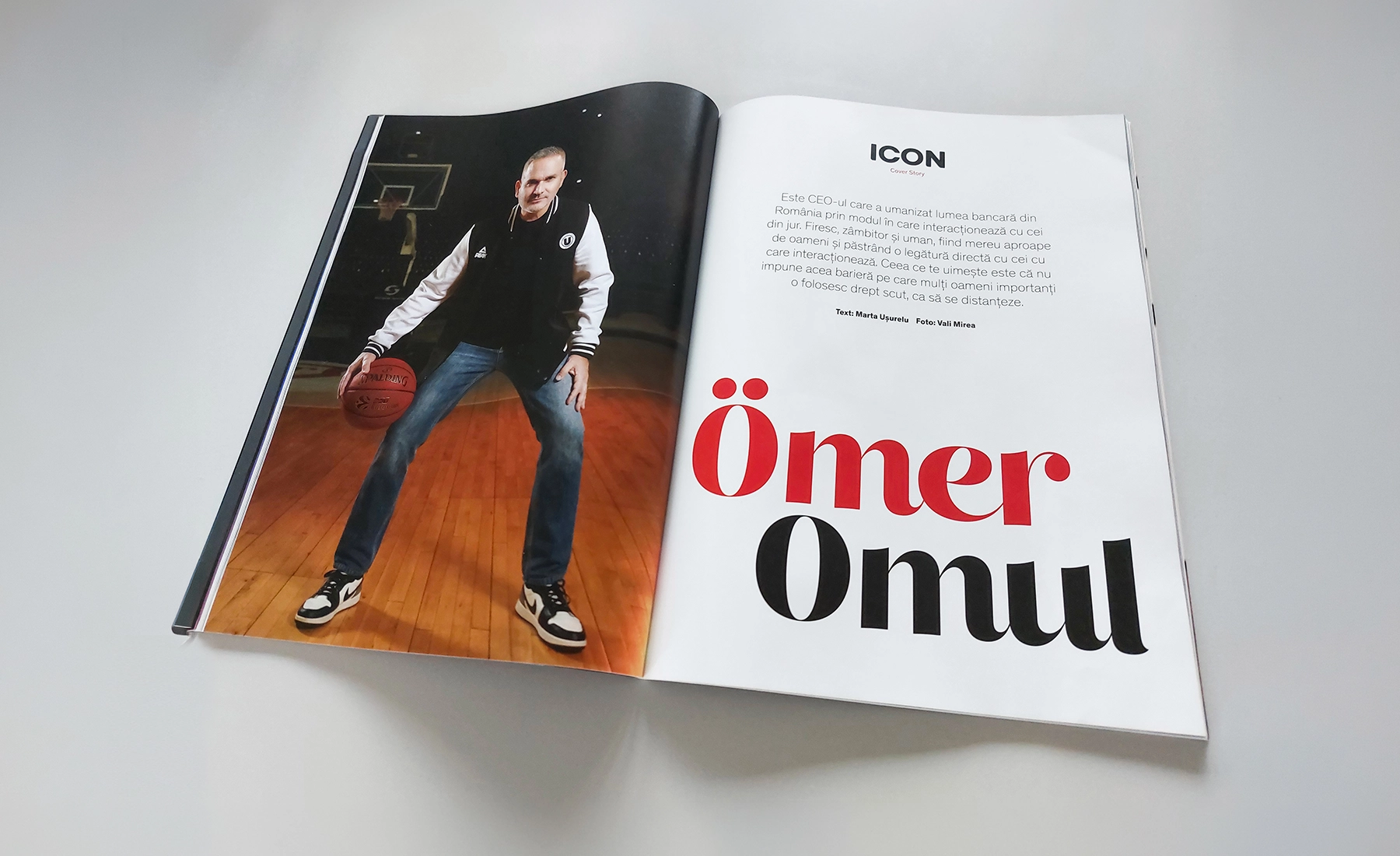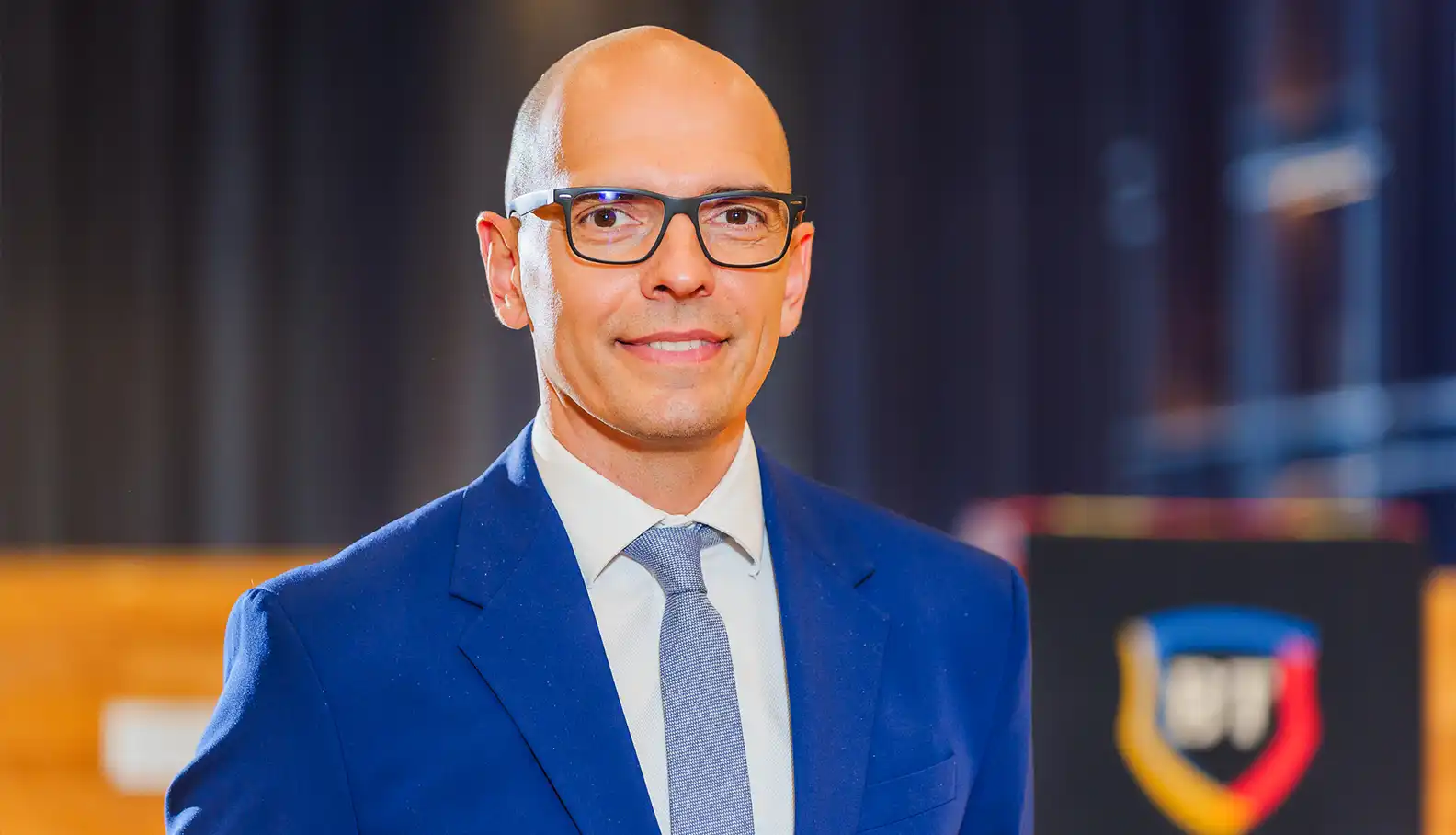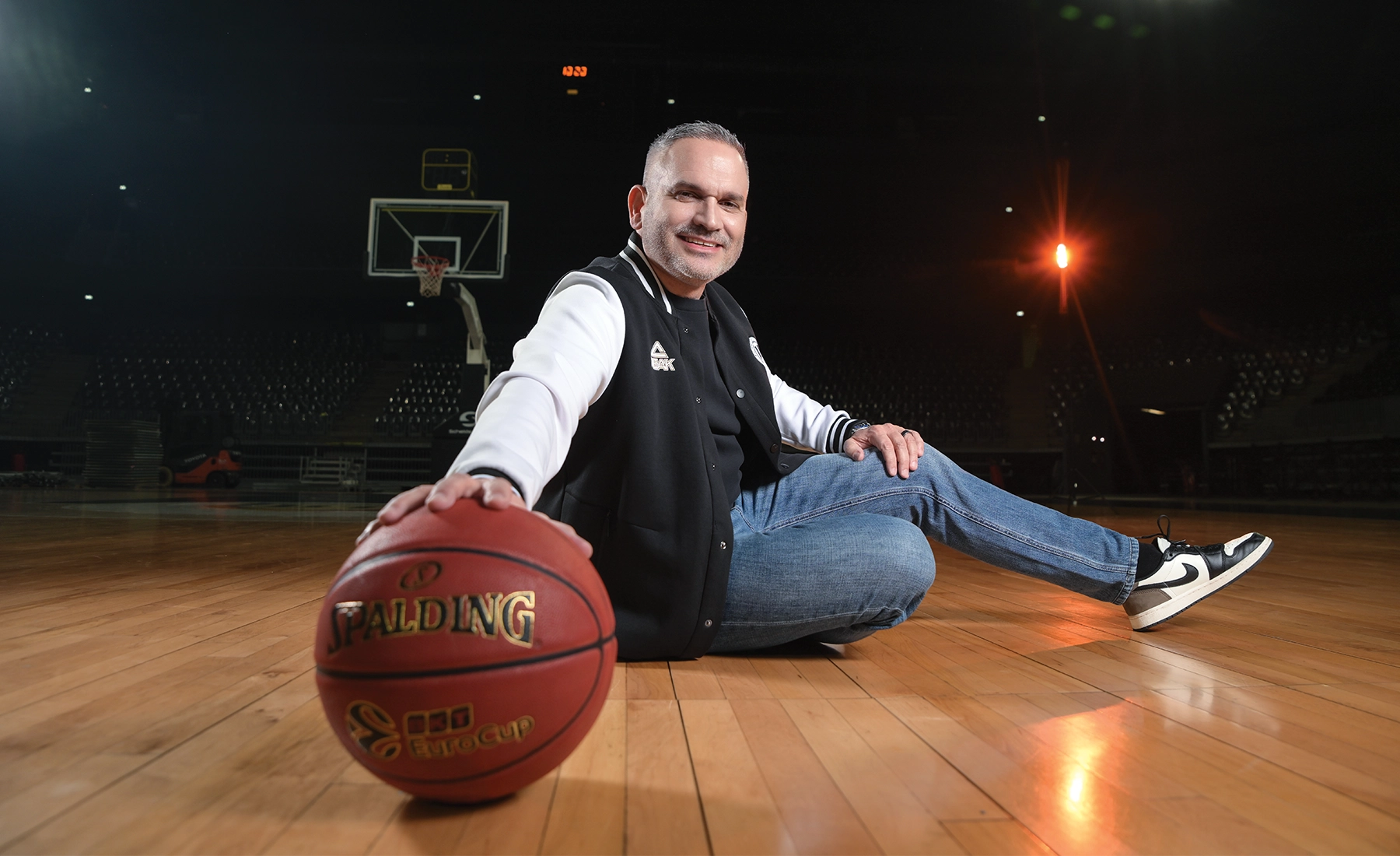
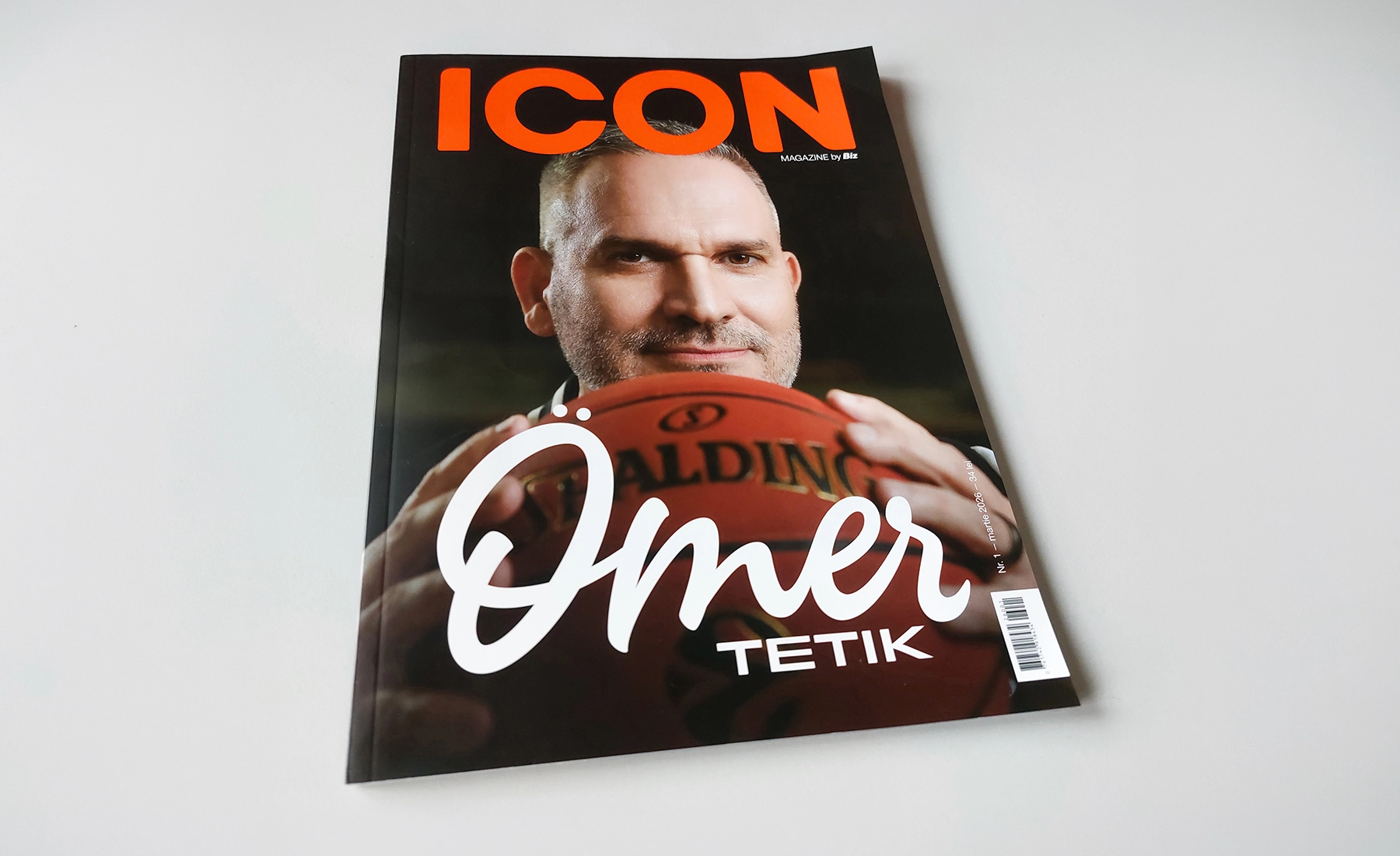
For the first cover story ICON, the magazine brings him to the forefront Ömer Tetik, CEO Banca Transilvania, in a conversation about the man behind the position. It is the portrait of a CEO who, according to the magazine, has humanized the banking world in Romania through the way it is and acts: natural, open and always close to people.
Being a CEO is a continuous transformation. The greatest pressure is the responsibility of decisions in a rapidly changing economic context. Equally difficult is the temptation to be in multiple places at the same time. My way of being, constant contact with reality, and, in the end, the time spent with my children, which puts everything into perspective, help me.
Ömer Tetik
THE CEO AS A PERSON
Focus: clarity, pressure, balance, personal evolution
About the limits that the function helped him see:
The role of CEO puts you in front of your own limits. I have learned that, no matter how much I plan, I cannot control everything. In a large organization, you have to accept that you do not have all the answers and give space to the team. There are also limits of time and energy, therefore it is important to manage both as well as possible. But there are also limits that make you better, it may sound paradoxical, but it is true. Because once you recognize them, you become more efficient, you see precisely what matters. You no longer run in all directions, you no longer try to solve everything alone, you better see what is urgent and what is important.
About personal habits that help to meet the requirements:
Sport gives me the energy necessary for the rhythm I have. Reading opens new perspectives for me, and conversations with people are a reality test. Clarity comes from the combination of energy, information, and dialogue.
About the usefulness of moments of doubt:
I make decisions that impact many people. Doubt is healthy, it forces you to ask questions, to verify, to look for data. It keeps you present, with your feet on the ground, to think critically. It is a space for dialogue and, at the same time, a form of maturity.
About whom or what helps him stay anchored in reality:
I am curious, pragmatic and connected to people and ideas, I like to listen, to understand, to ask questions and to stay updated with news – from an interesting trend, to a book that can change your perspective. Also, my children help me a lot, through whom I rediscover the world every time.
VALUES AND RESPONSIBILITY
Focus: ethics, trust, impact, social role
What are the values in case you do not compromise regardless of the context?
Correctness, respect, and responsibility towards risk – I am referring both personally and professionally. These are benchmarks that are not negotiable.
How are these values reflected in everyday decisions?
It can be seen in the way we make decisions and communicate, in the way we manage challenges.
What is the responsibility of a bank CEO towards society?
A bank influences the way capital flows, how businesses and communities grow. My responsibility is to keep the bank solid, resilient, prudent, and capable of supporting the economy even in difficult times. I can say that, from this perspective, financial stability is a public service.
What role does trust play in the relationship between the bank and clients?
It is vital. Practically, people leave their money in our hands. And a bank that people trust becomes a part of their lives.
How is the credibility of a financial institution built and lost?
It is built through consistency in decisions, through transparency, results, and through the way you manage crises and challenges. But, just like trust in people, credibility in institutions can be lost quite quickly. That is why it is essential to have a solid foundation - so in difficult moments, people continue to believe in you.
Are there correct decisions which are, in the short term, unpopular?
Yes – these are the decisions in which you choose prudence instead of rapid growth, when you opt for something that has a better long-term impact instead of immediate results. My role is to make decisions that protect the bank, investors, clients, and, of course, the team.
What responsibility do you feel towards future generations?
I believe it depends both on the professional side and on the personal side. As the CEO of a bank that is part of the lives of millions of people, which has such an important role in the economy, I believe that every major decision is also related to future generations. It is a kind of legacy. I do not see "future generations" as something theoretical, abstract – they are the children who use BT Pay Kiddo, who have their first card at BT, they are colleagues at the beginning of their journey. My three children help me better understand how the new generations think and what they want. For me, they are a constant reminder that today's decisions must be made with tomorrow in mind.
What is the legacy you would like to leave as a leader?
It is the way the company and the people continue to grow and have a real impact on people's lives. Personally, I would like people to remember that I led with respect, passion, and responsibility. That I made decisions that led to their growth, as team members, but also of the bank.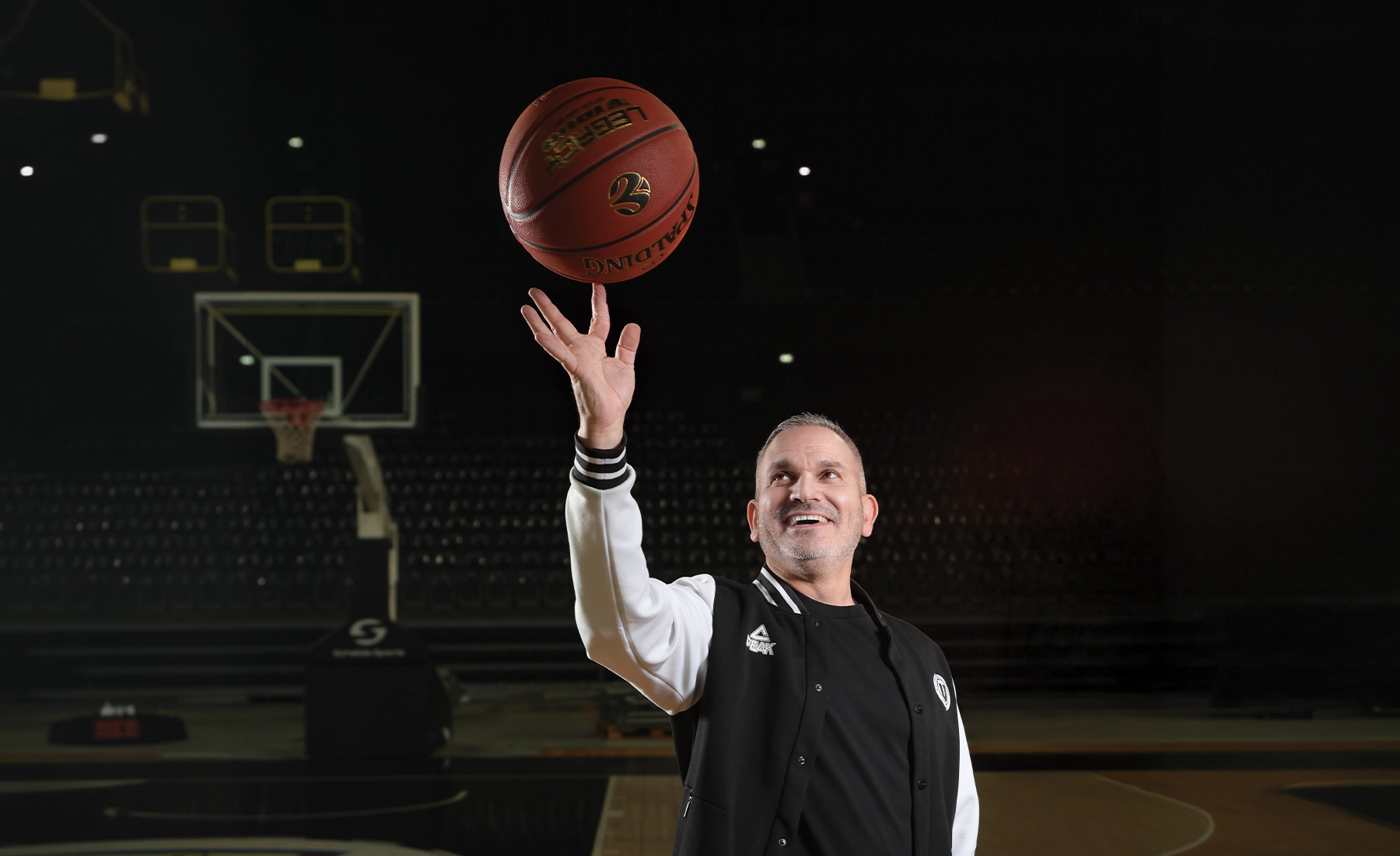
TOP DECISIONS
Focus: decision, pressure, loneliness, strategy
What are the decisions that can never be delegated?
Those that refer to direction and the company's ultimate responsibility. These always remain with the CEO - both because they belong to his role and because, once transferred, they can influence the coherence and unity of the organization.
How do you manage the pressure of decisions with major impact on the economy?
At BT, the main financier of the Romanian economy, I know there are decisions that can influence lending, investments, the banking system, which is why I manage them very disciplinarily. I analyze the impact, look at multiple scenarios, consult with the teams within the bank, precisely so that the decisions are not isolated. Regarding the state's decisions, which influence the economy, the situation is different because we do not control the direction, but the consequences. We adapt quickly, analyzing the impact on clients, costs, and the stability of the banking system, we engage in dialogue with the authorities, and maintain our balance.
How lonely is the role of CEO in reality?
It is and is not a solitary role. Loneliness comes from the nature of responsibility, not from the lack of people around. You discuss, analyze, consult, but the final accountability is yours, as CEO. It is a form of loneliness specific to leadership. Moreover, not all dilemmas can be shared, and the pressure is still as personal as it gets.
How do you publicly take responsibility for a decision that did not have the desired outcome?
I think it is an act of responsibility. A CEO cannot control all the variables, but can control the way they respond. If I am in this situation, I acknowledge reality, explain the context, correct the direction, and surely, if necessary, take personal responsibility.
What was the most difficult decision in your career?
The hardest decisions are always those related to people. Whether we are talking about reorganizations, changes of direction or quick decisions in times of crisis, my role is to make them with clarity, empathy, integrity and courage.
Quick-fire questions and answers:
BEYOND THE CEO
What is the first thing you do before starting the workday?
I start with the morning coffee, followed by a shake while I read the press.
An object that is never missing from the office?
A notebook and a pen. I can't concentrate without having a pen in my hand.
What does an ideal day off look like?
A homemade breakfast with the kids, a bike ride in the forest, a few hours of relaxation with a book in hand, and a long dinner in the city with friends.
PERSONAL INFLUENCES
A person who influenced you?
My sister, with her care and respect in front of people, with her "endless" strength.
A piece of advice received early in a career that proved essential?
Don’t shit your way up, you may meet that shit when going down. (Roberto Marzanati)
What has surprised you the most since you became CEO?
I managed to stay connected to real life, to maintain friendships and to have a close and very good relationship with my children.
What lesson have you learned more difficultly than you would have wanted?
Good times create bad decisions, only the paranoic survives.
LEADERSHIP, SAID DIFFERENTLY
What quality do you appreciate in the people you work with?
Involvement and openness.
What do you not tolerate in a team?
Lack of collegiality.
What do you tell yourself when things don't go as planned?
What I tell my children: “Don’t give up, try again, differently and better!”
What is the question you ask most often in meetings?
What do we leave here with? What do I have to do?
What do you hope will remain after you, beyond the results?
An organization and a legendary, solid culture, that can face any challenge. 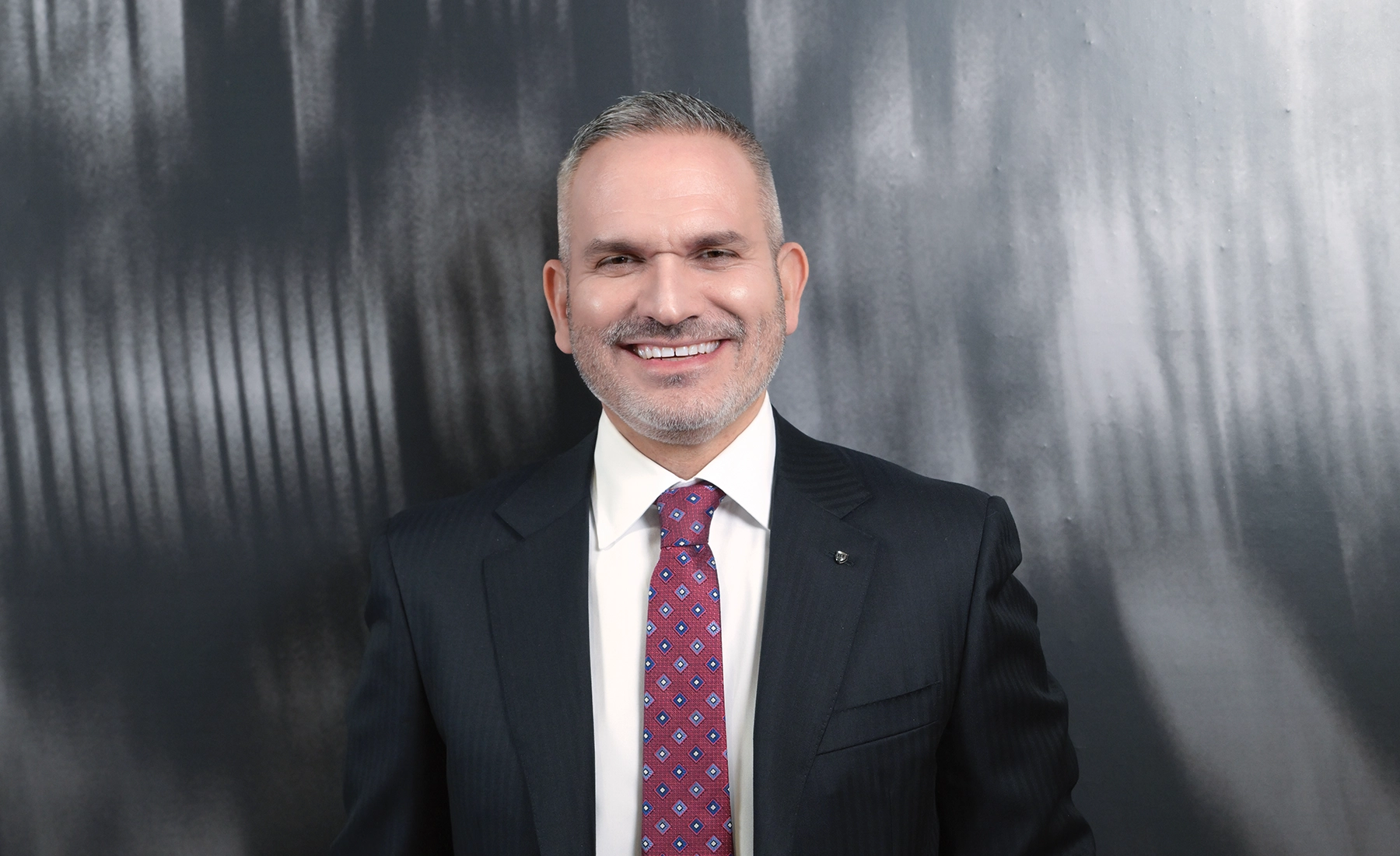
BEYOND FUNCTION
What brings you satisfaction?
A positive feedback or a gesture of appreciation.
What do you want people to understand about the role of CEO?
The CEO feels the greatest pressure. Colleagues, clients, authorities do not turn to me when things are going well, but when there are problems or challenges. The CEO also keeps morale high and the strategy intact.
What motivates you when the pressure is very high?
The fact that we have a strong team and I know I am not alone. I would also add the impact of our work in Romania.
ÖMER OMUL
Music or silence?
Music, hard rock.
What do you miss from before becoming CEO?
Time. Especially time for me.
What small thing helps you stay calm?
I make light of adversity and try to keep my morale high.
What have you discovered about yourself?
When I can't anymore, I can do more.