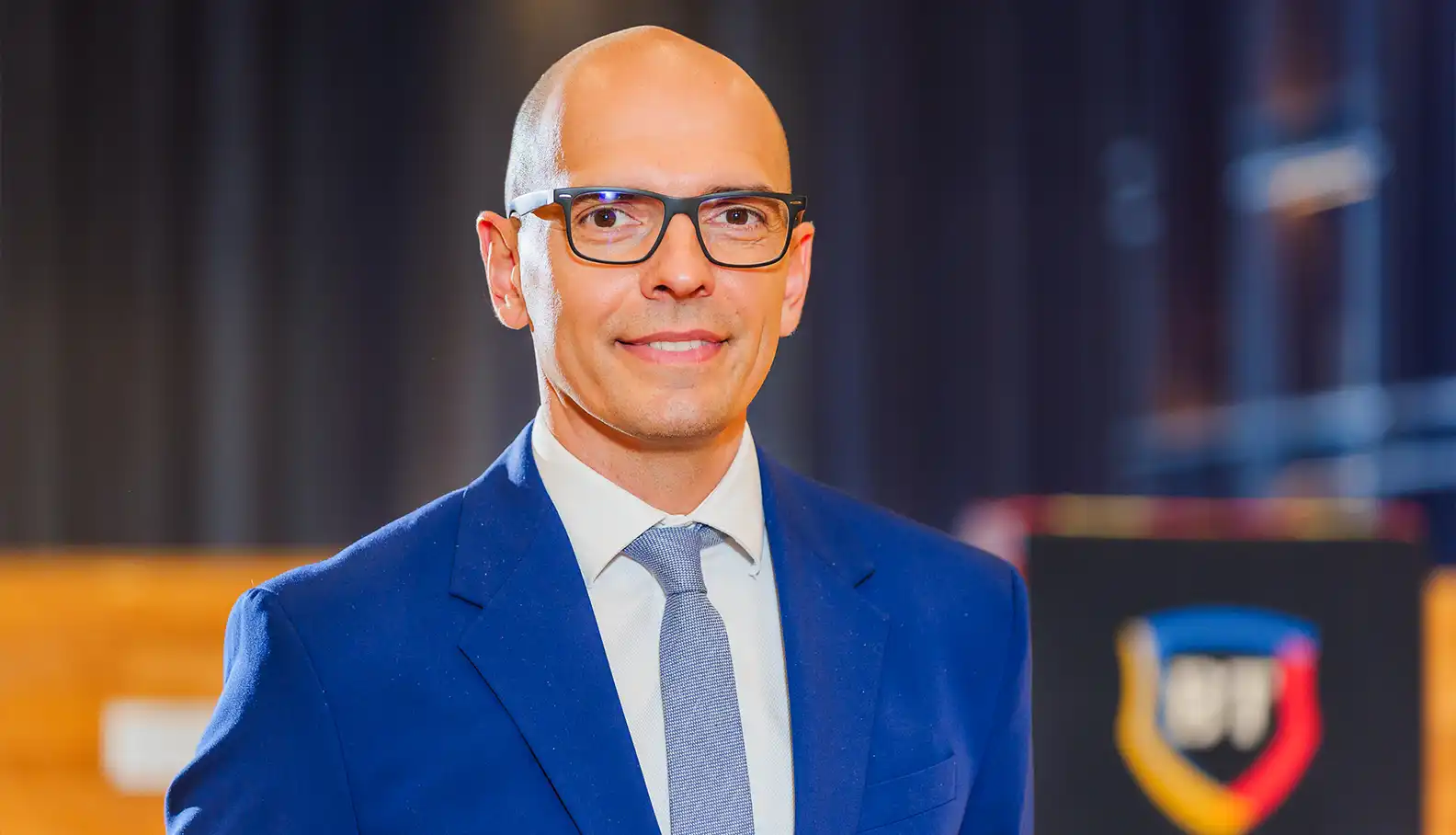
Ömer Tetik, CEO of Banca Transilvania: “My Bet Is on Romania”
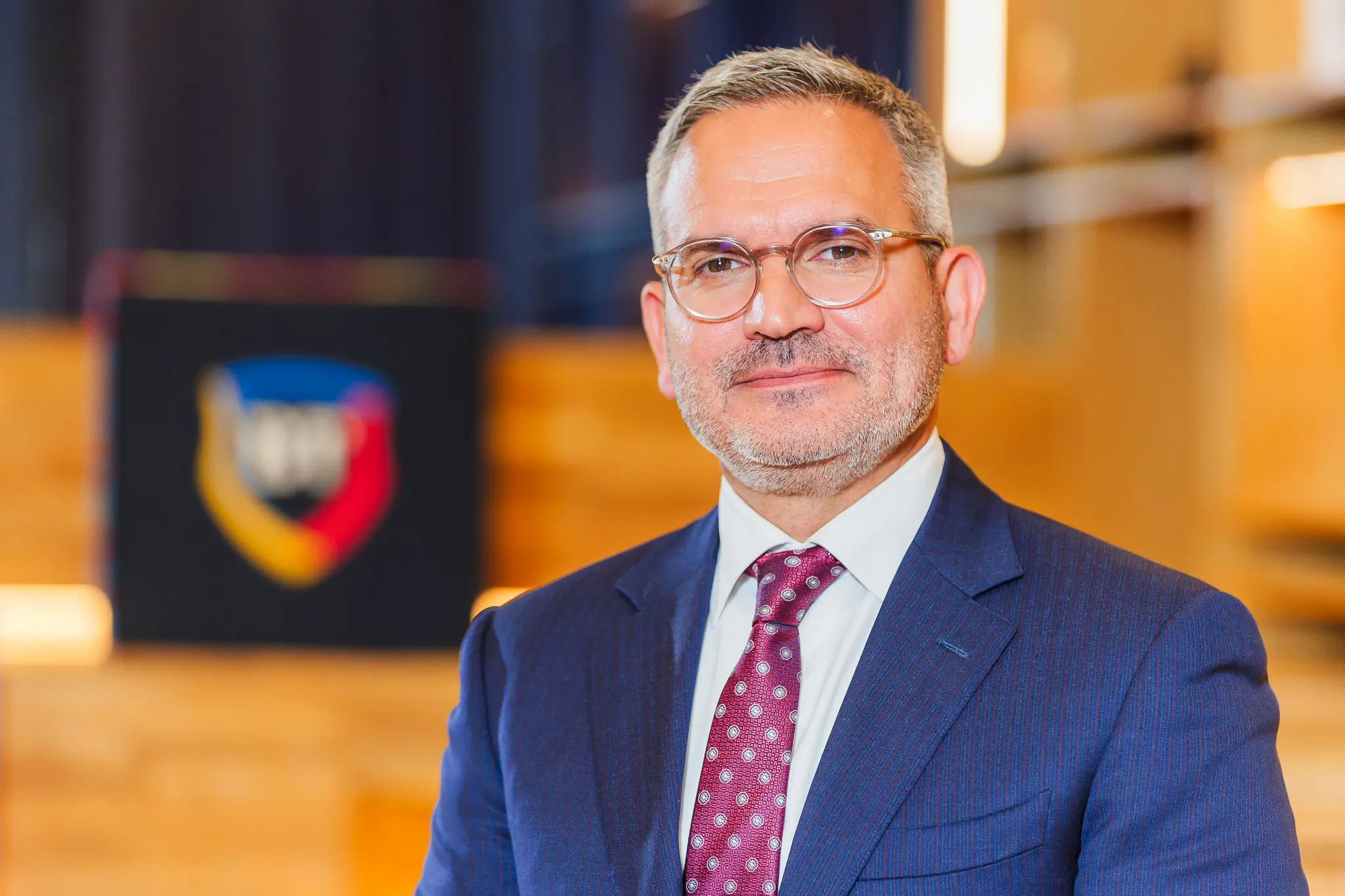
In January 2027 it will be 20 years since Romania joined the European Union, two decades that have brought significant change for the economy, companies and society. In an interview for the anniversary supplement “ZF 28 years. 20 years in the EU” published by Ziarul Financiar, Ömer Tetik, CEO of Banca Transilvania, talks about the path Romania and BT have taken over this period, about confidence in the potential of the local economy, and about the priority for the next 20 years: a more sophisticated economy, with more domestic capital and Romanian companies with regional ambitions.
What were the best decisions you’ve made over these 20 years?
One of the best decisions was to have confidence in Romania. It’s the country where I’ve lived and worked these past 20 years, and looking back I believe Romania has offered extraordinary opportunities to those who had the patience, conviction and courage to invest for the long term.
Institutionally, Banca Transilvania’s story and success are also about confidence in Romania. We chose to keep investing, including in challenging periods, and to continue growing alongside the Romanian economy. Starting in 2003, but more markedly after 2007, BT rapidly evolved from a bank into an increasingly complex financial group, with capabilities across banking, leasing, investment funds, microfinance, asset management, brokerage and pensions.
Another very good decision was to keep an entrepreneurial mindset even as we became a very large organization: to make decisions quickly, stay close to clients and have the courage to reinvent ourselves.
How would you describe your company’s trajectory after joining the EU?
For Banca Transilvania, Romania’s EU accession coincided with an extraordinary period of transformation and maturation. We became the market leader thanks to two engines of growth — organic development and acquisitions. Over the last 20–25 years, BT has doubled in size every five years, growing faster than Romania’s economy and than most competing banks. That’s how we became much more relevant for customers and for the economy.
Beyond size, what mattered most to us was what we can do thanks to this scale: finance more of the economy, invest more in technology, bring better solutions to individuals and companies, and have the capacity to invest for the long term.
I think BT’s trajectory also says something about Romania over the past 20 years. If Romania hadn’t grown, we wouldn’t have been able to achieve this either. We grew together, and today we’re ambitious about contributing to the next stage in the development of the Romanian economy.
How would you describe Romania’s journey from EU accession to today?
Romania today is very different from the Romania that joined the European Union in 2007. But it’s important not to forget the years before that, because every stage mattered for European integration. EU membership brought extraordinary opportunities for development. We’re talking about investment, mobility, infrastructure, access to markets and capital, but above all the transformation of society and the emergence of a new generation of Romanian entrepreneurs and companies that have scaled significantly in this period. We all need to be aware that just catching up with Western Europe is no longer enough. We need to build domestic capital, strong regional companies, brands that expand beyond our borders, and a higher value-added economy.
What step do you wish you’d taken sooner but didn’t?
In a world where everything changes so fast, you can always find something you could say should have been done earlier. Technology, the economy and customer behavior are constantly changing, and what seemed appropriate or sufficient yesterday can already be out of date today.
That’s why I wouldn’t dwell too much on what we could have done sooner, but rather on how quickly we understand change and act. We can’t anticipate everything, but we can build an organization agile enough to adapt continuously.
What’s your bet for the next 20 years?
My bet is still on Romania — but Romania playing in a bigger economic league. I believe it will be a more sophisticated economy, with more local capital, with entrepreneurs building regional companies, and with banks supporting that growth. I believe technology and AI will radically change every industry.
For the bank, we have a very ambitious interim target, BT100, namely to grow the Banca Transilvania Group to 100 billion euro in assets by 2030. It’s a business target, but to me it’s more than that: it shows our confidence in Romania’s potential and in BT’s ability to keep succeeding. Our story says we can.