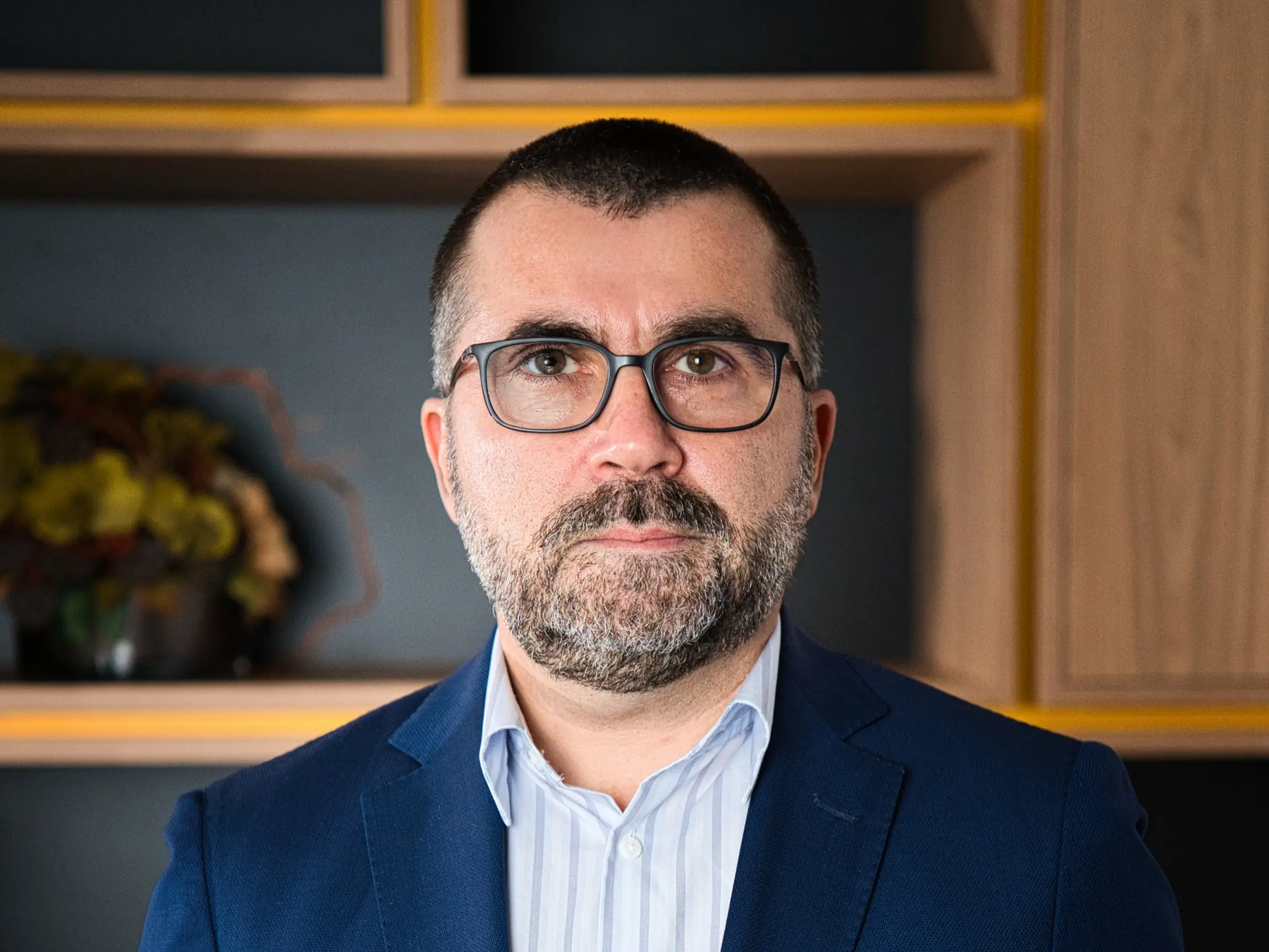
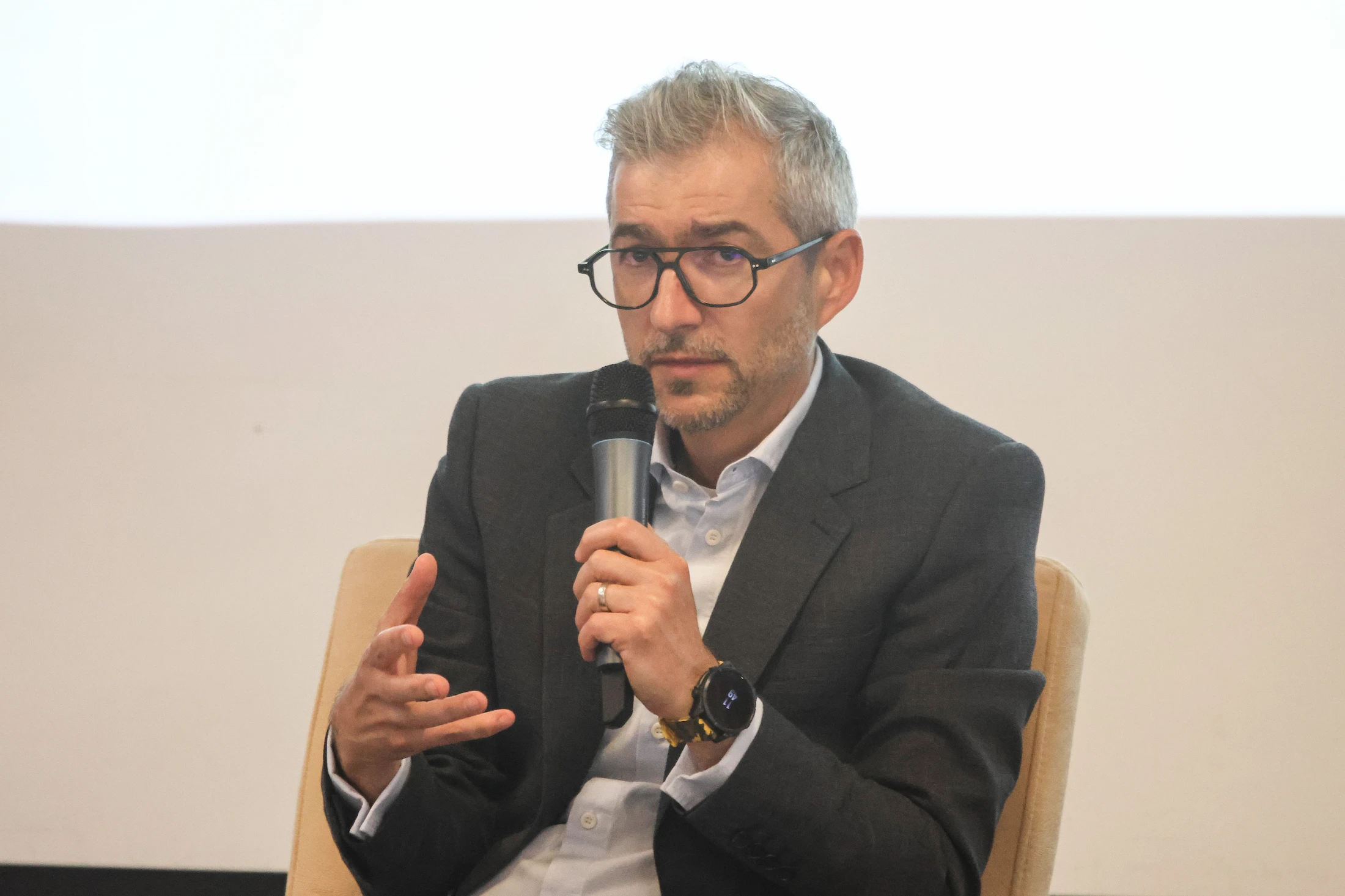
Tiberiu Moisă: "Agriculture is on a highly favorable trend"

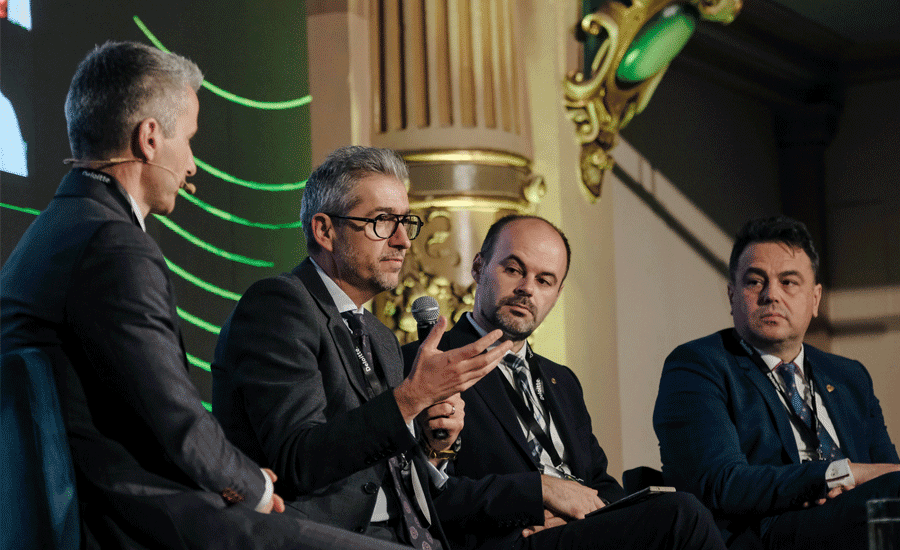
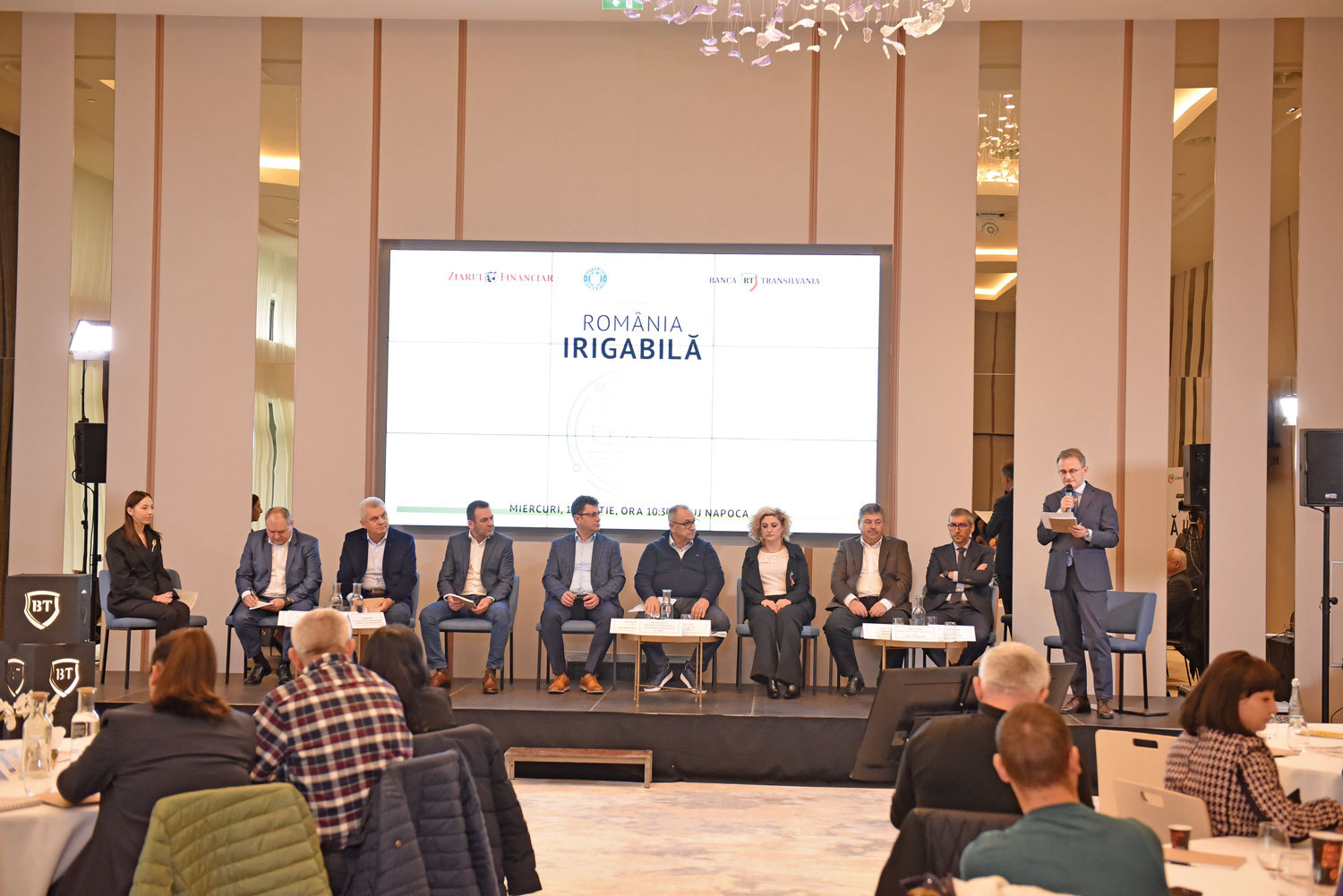
BT, together with Ziarul Financiar, organised the Irrigable Romania conference on March 1 in Cluj-Napoca.
One of Banca Transilvania’s representatives at the event was Tiberiu Moisă, Deputy CEO, MidCorporate & SME.
The statements reported from the conference by Ziarul Financiar were the basis for the article Agriculture among bankers’ top lending preferences. Tiberiu Moisă, Deputy CEO, Banca Transilvania: In 2022 we reached 1 billion euros in financing for agriculture, which we reproduce below.
Agriculture is on an extremely favourable trend — in terms of the legislative levers, the sector’s growth prospects and the openness to financing. Without idealising anything, we believe Romanian agriculture has strong potential and we stand with farmers; we want to finance them, says Tiberiu Moisă.
Banca Transilvania, Romania’s largest bank by assets, continues to finance agribusiness at a brisk pace, with the total value of loans granted to the sector approaching 1 billion euros (5 billion RON) in 2022.
Last year was fantastic in terms of growth, both in percentage and absolute terms, and not only for Banca Transilvania, but for the entire banking sector, which grew like Făt-Frumos from the fairy tales. It was broad-based growth, somewhere around 20%. At Banca Transilvania, agriculture had a very good year. In 2022 we reached roughly 1 billion euros (5 billion RON) in financing, said Tiberiu Moisă.
Agriculture is among the sectors most actively financed by Banca Transilvania, alongside trade, manufacturing, services and real estate.
Agriculture is on an extremely favourable trend — in terms of the legislative levers, the sector’s growth prospects and the openness to financing. Without idealising anything, we believe Romanian agriculture has strong potential and we stand with farmers; we want to finance them, Tiberiu Moisă explained.
The Deputy CEO of Banca Transilvania says the institution he represents is also banking on an increase this year in loan volumes to the agricultural segment, even if he expects the trend to be less spectacular than in 2022.
We are counting on growth in 2023 as well, in terms of loan volumes. We are ready to support this sector, whether we are talking about co-financing or other investment projects.
In 2022, Banca Transilvania reported that it was the largest partner in the IMM Invest and AGRO IMM Invest government programmes, as well as in other SME guarantee schemes launched in 2022 (RURAL INVEST, IMM PROD, GARANT CONSTRUCT), with total financing of over 2.8 billion RON.
Tiberiu Moisă says last year’s rise in raw material and equipment prices generated more uncertainty and created more problems for entrepreneurs than those strictly related to interest-rate fluctuations. However, when a farm has several loans outstanding, that can become a significant management challenge.
Unfortunately, we cannot set these interest rates, just as farmers cannot set crop prices. We simply have to take into account what is happening in the money market and with liquidity. In Romania, interest rates in RON were lower than rates on the Hungarian forint or the Polish zloty, but they were certainly higher than in 2019 and 2020. This year is the first in which we are seeing the trend in interest rates begin to reverse. Hopefully we will get to an acceptable range, but I believe that where there is economic discipline — where you know how much you can carry and what you can take on — this is a manageable topic and, above all, far more predictable than the prices of agricultural products, concluded Tiberiu Moisă.
Throughout 2022, the outstanding balance of loans granted and commitments made by credit institutions on the local market to the agriculture sector maintained an upward trend of over 10%, according to BNR data. November 2022 saw outstanding loans to agriculture of 28.2 billion RON, a significant 17.5% increase compared with end-November 2021. This shows that financing for agriculture is starting to catch up with sectors such as industry, construction and financial intermediation, which posted growth in outstanding balances of over 20% by end-November 2022.
Agriculture is a sector that commercial banks and the European Union have emphasised over time by stepping up sector-specific lending programmes, including during the pandemic. Although this sector is seen as highly dynamic, agriculture accounts for 4.8% of banks’ total outstanding loan balances, the second-lowest share after public administration.
For more information and #agri insights, you can watch the conference here: