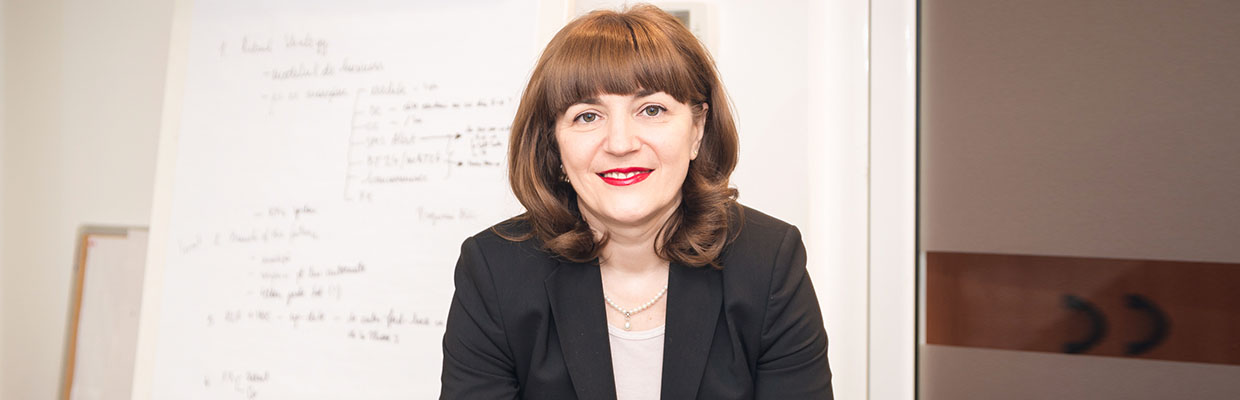
Tiberiu Moisa, Deputy CEO, MidCorporate and SME, BT, took part today in the online conference on the National Recovery and Resilience Plan (PNRR), organized by the National Council of SMEs in Romania. We’ve captured a few of his remarks, and if you found them useful, you can also watch the full discussion on this topic.
- It is a historic opportunity, born of European solidarity, but making the most of it depends on all of us. Today we have a more mature economy, from the business community to local authorities — in other words, we have what it takes to understand and use such a historic opportunity. It has come at the right time. In recent years, the figures show a rising absorption rate for EU‑funded projects. That tells us people are understanding these funding opportunities better and better.
- The quality of the strategy alone will not solve the challenges. What will matter enormously is how smoothly we translate what needs to be done into simple steps. Let’s put in people’s hands financial instruments they can understand. I support the most efficient possible financing and support infrastructure.
- Beyond the PNRR, we have the Multiannual Financial Framework through Cohesion Policy, the Common Agricultural Policy, and tens of billions of euros more. The combined amounts across all funding programmes are large and have the potential to multiply investment. They are so significant that Romania’s economy could reinvent itself, doubling through the absorption of these amounts in a relatively short time — and that can only happen if the mechanisms work. The speed of implementation — another key success factor — will also depend on how well we use the learning curve from programmes already under way.
- People don’t avoid bureaucracy because it takes more effort or more work. No one shies away from work. That isn’t the main problem — even if it creates inefficiencies. People fear bureaucracy because they worry they might make an unintentional mistake. The more cumbersome the implementation framework, the stronger the perception that you can slip up on something purely formal. Let’s not forget these programmes are subject to strict evaluation and monitoring. So the more bureaucratic the process, the higher the chances that mistakes will occur.