Nearly 500 attendees at the Itinerant Conference of Hungarian Economists, supported by BT
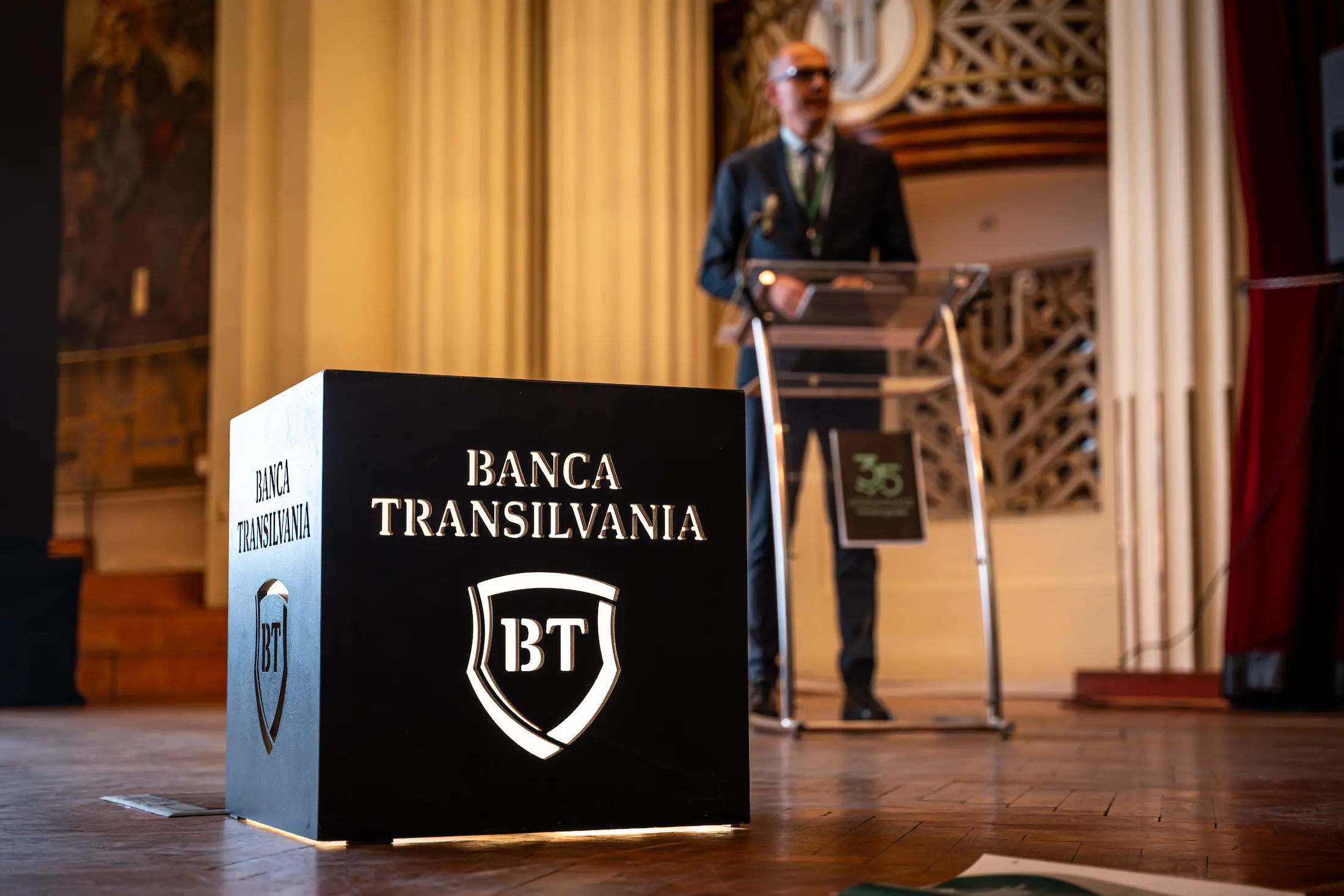
Nearly 500 participants and more than 40 speakers met in Cluj-Napoca on September 24–26 for the 35th edition of the Itinerant Economists’ Conference, organized by the Association of Hungarian Economists in Romania (AEMR) and supported by BT.
The most important professional event for the community of Hungarian economists in Romania was held this year under the theme “Tradition and Innovation,” addressing trends shaping the economy, technological change, the evolution of entrepreneurship and the challenges facing companies in the region.
In addition to plenary sessions with speakers from Romania and abroad, the agenda included debates on banking, real estate, agriculture, marketing and human resources. Innovation and the impact of artificial intelligence on the economy featured in many of the event’s discussions.
The Banca Transilvania Financial Group was represented by Aurel Bernat, Executive Director, Financial Markets and Investor Relations, Banca Transilvania, and by Robert Anghel, CEO, Salt Bank.
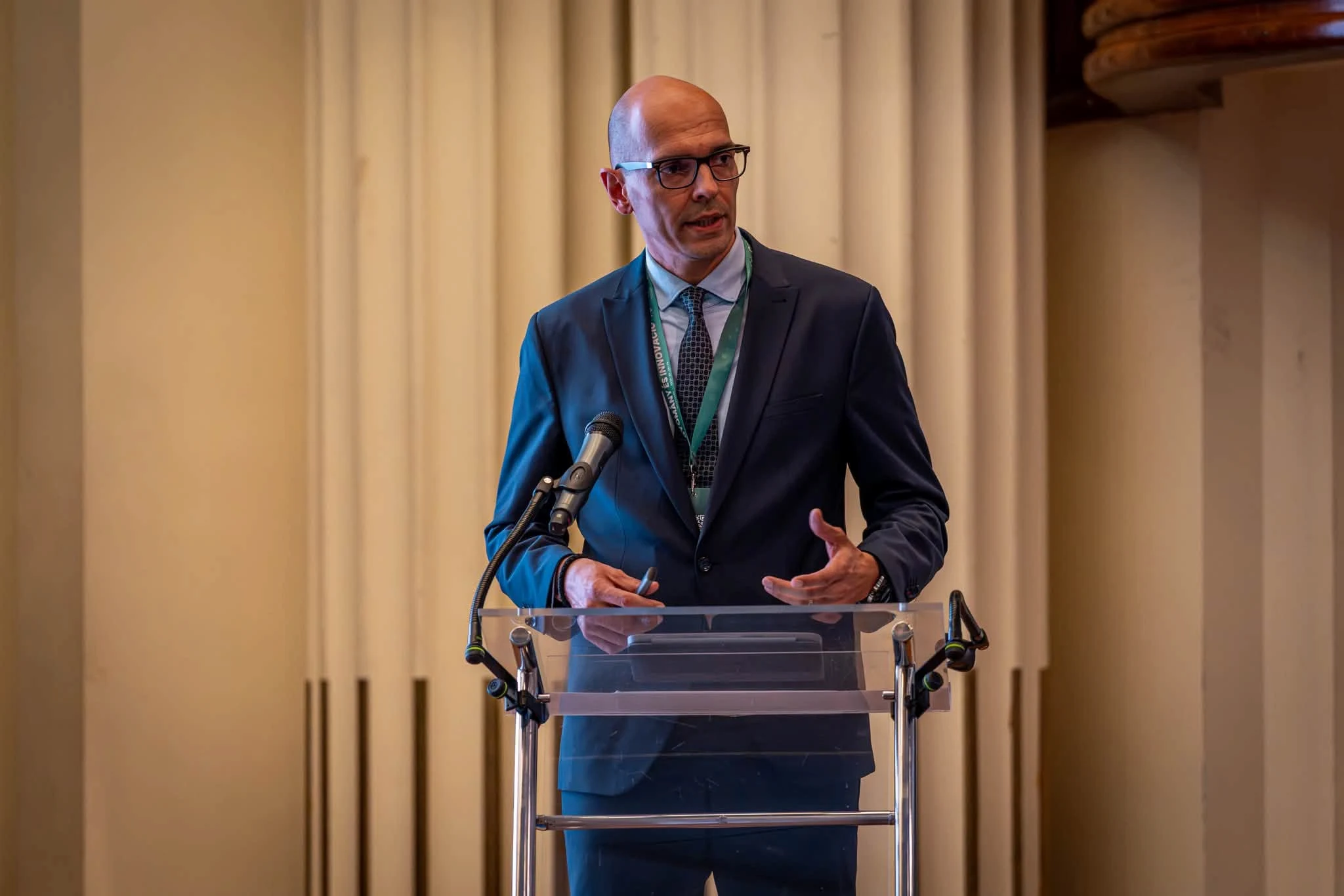
In the plenary session, Aurel Bernat spoke about Romania’s economic challenges and investment opportunities in a high-inflation environment. He emphasized the role of investment and a stable economic framework in supporting long-term growth, noting that predictable and consistent economic policies are essential to maintaining investor confidence.
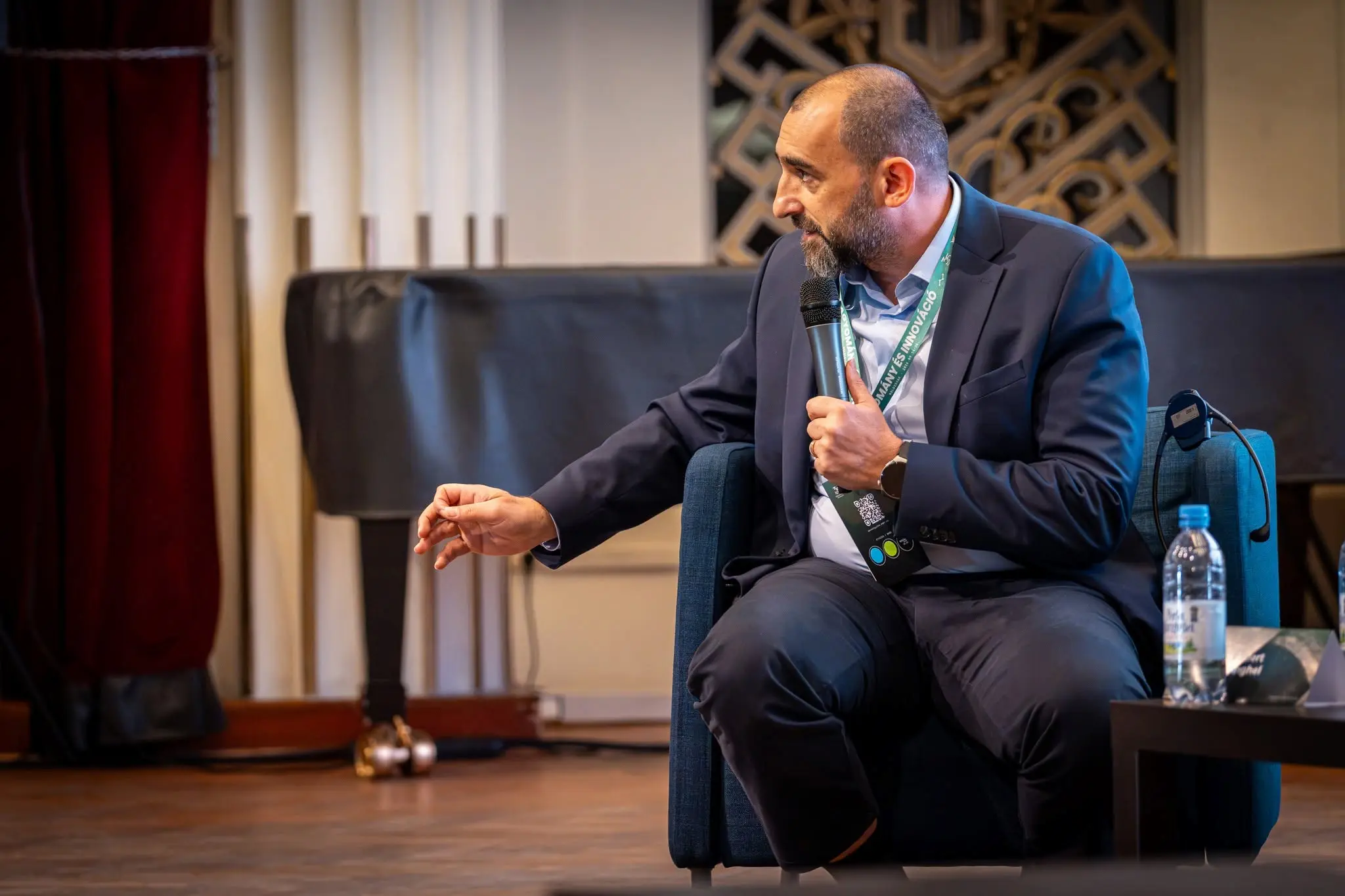
Robert Anghel took part in the section dedicated to neobanking and the evolution of digital banks, where he noted that beyond innovative financial solutions, trust remains essential for customers, and that Salt Bank being part of a strong group such as the Banca Transilvania Financial Group is an important advantage in the Romanian market.
The Association of Hungarian Economists in Romania (AEMR) is the professional association of Hungarian economists in Romania and one of the most active economic communities in Transylvania, with local organizations in almost every county in the region.
The partnership with AEMR underscores Banca Transilvania’s involvement in initiatives that bring professional communities together, contribute to the development of economic knowledge and create opportunities for exchanging ideas and collaboration.