BT’s target: to outpace GDP and banking sector growth
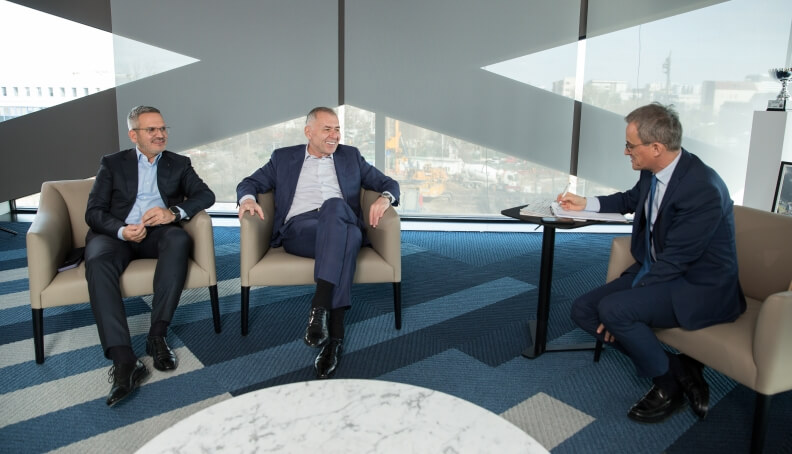
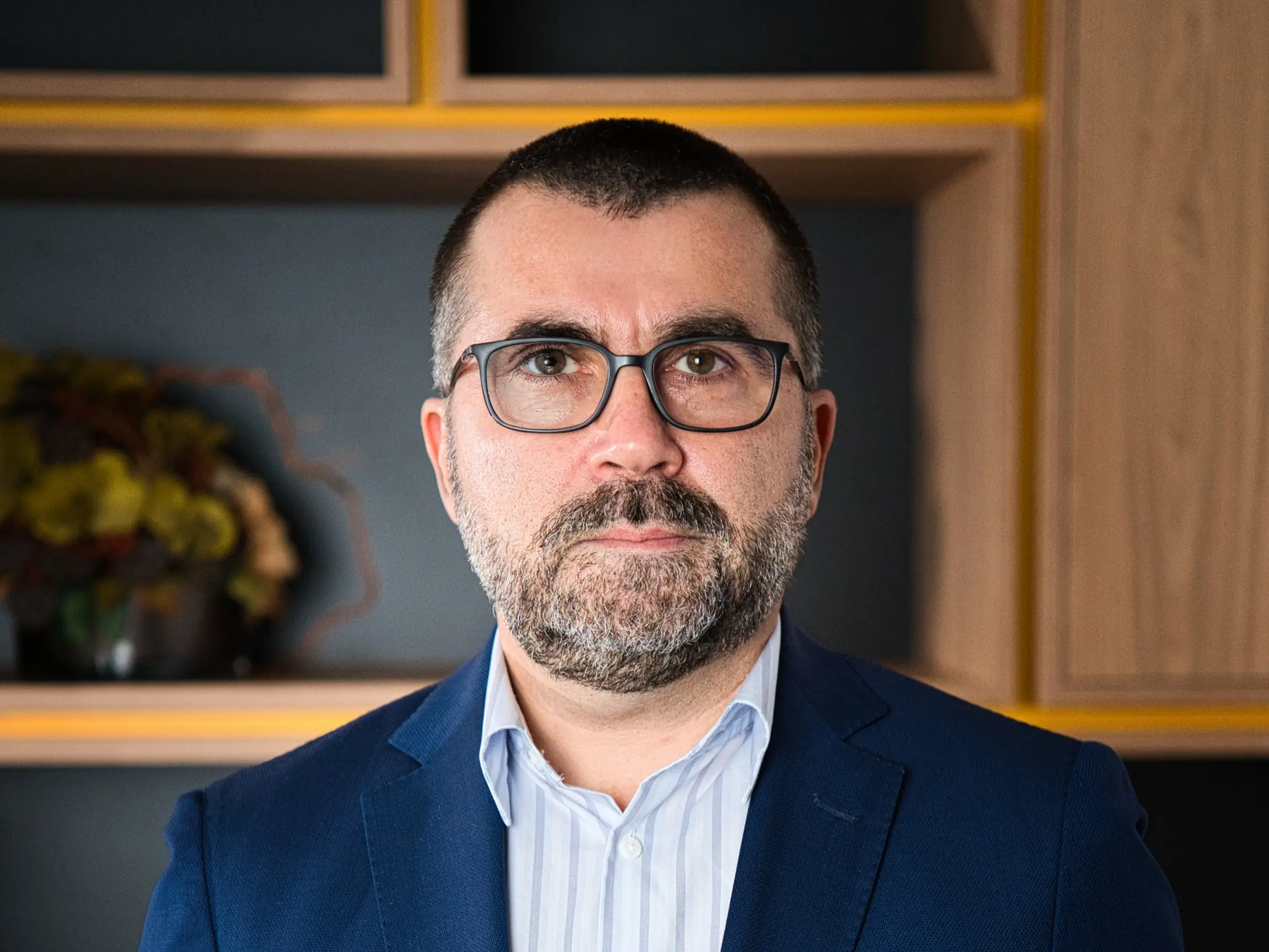
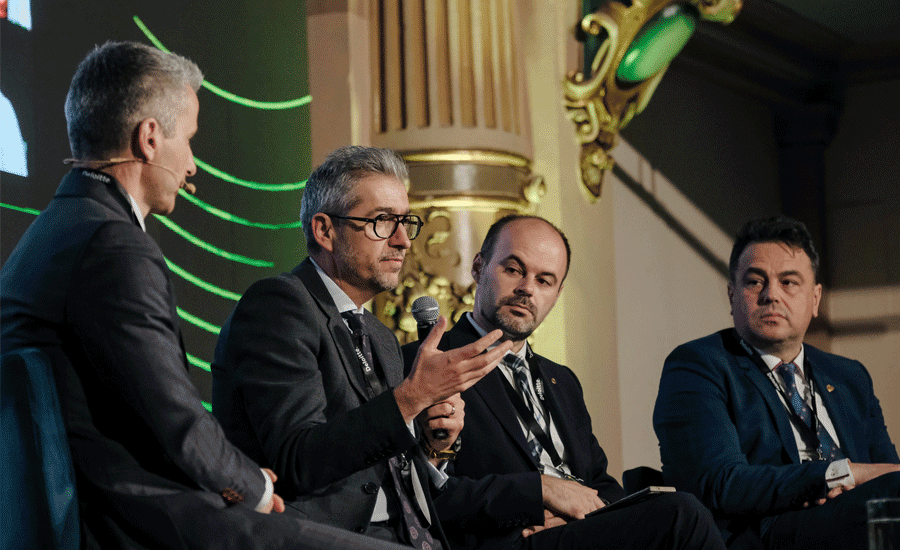
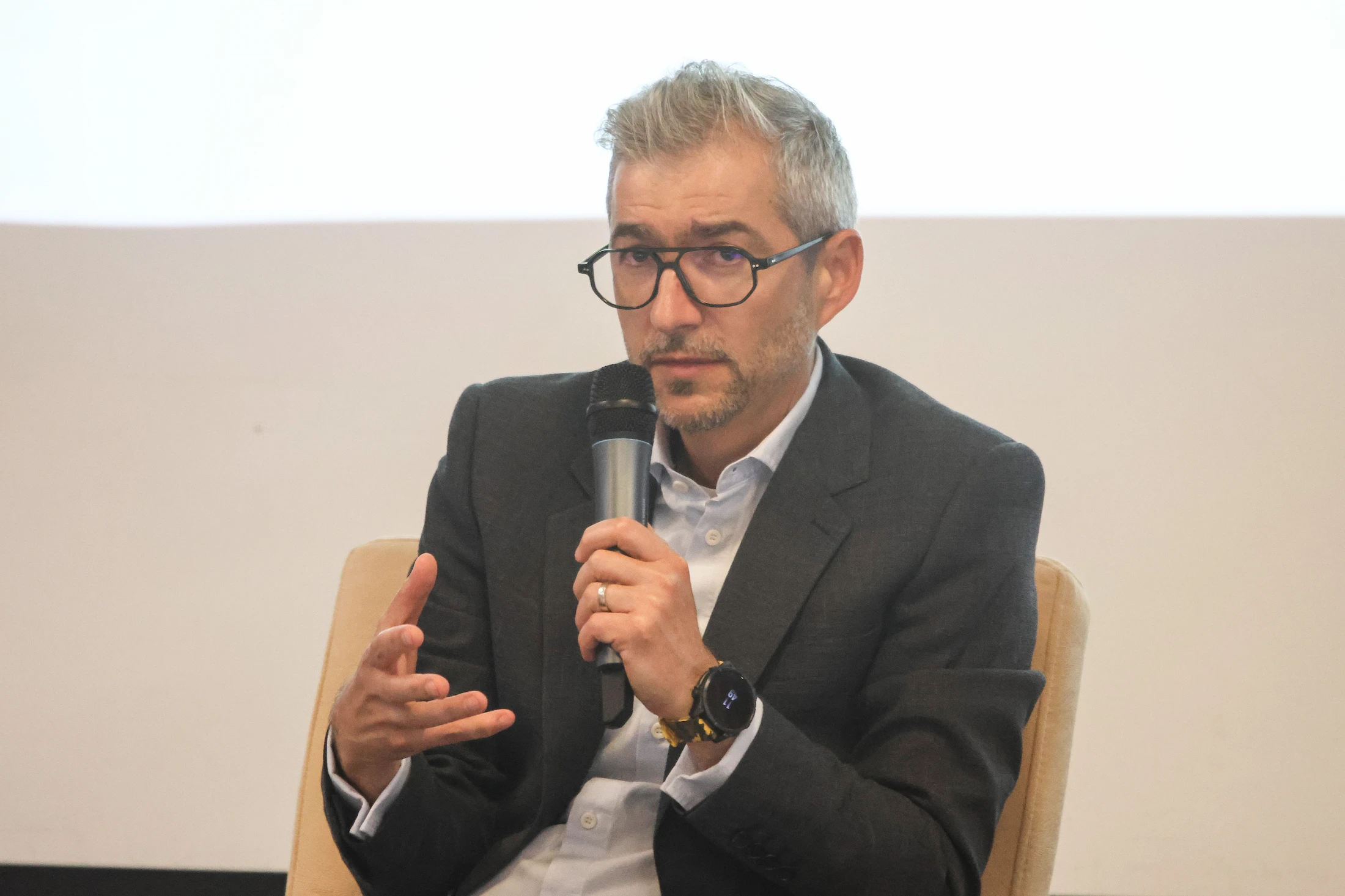
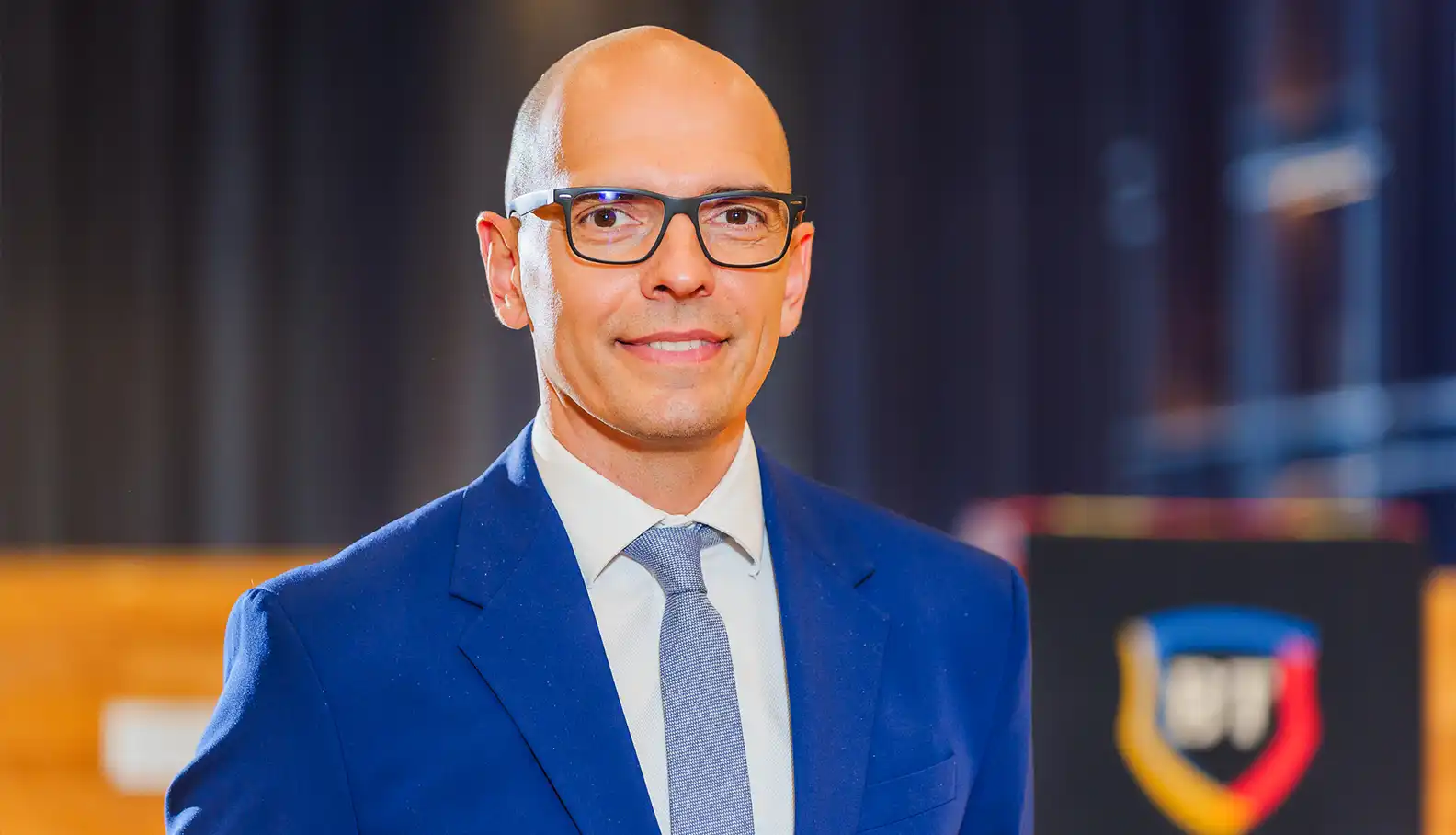
Horia Ciorcilă, Chairman of BT’s Board of Directors, and Ömer Tetik, BT’s CEO, gave an interview to Ziarul Financiar about the bank’s plans for the period ahead. We are also republishing here the full interview given to ZF’s editorial director, Cristian Hostiuc.
In December 2014, after Banca Transilvania officially announced the acquisition of Volksbank România, we held an interview at the JW Marriott hotel with Horia Ciorcilă, Chairman of Banca Transilvania’s Board of Directors, and with the bank’s CEO, Ömer Tetik, about the rationale for the deal, how the two banks would be integrated and the goal the Cluj-based bank had at the time: to become number two in the market.
The acquisition of Volksbank by Banca Transilvania surprised the market because the bank from Cluj had no experience in M&A, and it was buying a fairly large bank with significant problems stemming from the crisis (in 2009, Volksbank was larger than BT).
Volksbank had been offered to other banks in the market, but they declined to take it over. For BT, however, this was a “once-in-a-lifetime” opportunity that allowed it to move into second place in the banking system, overtaking BRD — a position that had seemed unlikely just a few years earlier.
In November 2018, after BT signed the acquisition of another bank, Bancpost, we met the two bank leaders again, this time at Hotel Epoque in Cișmigiu.
With this latest acquisition, the Cluj-based bank became number one, moving ahead of BCR, which had held the top spot for nearly 20 years.
In March 2024, after BT signed the acquisition of OTP Bank, we met again at the bank’s headquarters in Bucharest with Horia Ciorcilă and Ömer Tetik to discuss the reasoning behind the transaction and, especially, the bank’s plans for the future in the current market environment and amid geopolitical change.
Banca Transilvania is the main financier of the economy and the leading buyer of government securities, thus the main financier of the state budget.
If previous interviews focused on gaining market share, Horia Ciorcilă now says Banca Transilvania has reached critical mass and a comfortable market share (after the OTP acquisition it will reach 23%) and is no longer targeting a specific figure.
But having reached this point, the objective is to maintain and grow market share through organic growth, and to seize all the opportunities that arise, with the aim “to grow faster than GDP and faster than the banking market.”
He says the economy will continue to grow, so “over the next 5-7 years we need to double our assets just to maintain our market share.”
Our market is here in Romania, and the future will be about the investments we will make in technology, he added.
Is BT still interested in further bank acquisitions?
“Inevitably, consolidation in the Romanian banking market will continue, but we’ll see to what extent we will still be part of it,” he says.
“Right now we’re looking at other areas — leasing and asset management — where we are targeting organic growth, but we’re also looking at acquisitions that could get us to a leadership position more quickly there as well. Beyond that, we constantly watch, carefully and respectfully, what our competitors are doing, whether local banks or banks owned by major European groups; we try to learn as we go, and to anticipate what’s next,” the chairman of the Cluj bank added.
Ömer Tetik, the bank’s CEO, says “organically we grow by 0.7-0.8% a year. As we see it, the future will be about increasing financial inclusion in Romania, improving financial education, growing the economy, more entrepreneurs and more entrepreneurial companies and businesses. We want to finance all of that.”
Why did you acquire OTP Bank?
According to Horia Ciorcilă, the OTP acquisition strengthens our position in Bucharest, “a market where we are not where we should be. Our market share in the capital is below our national average. We came late to Bucharest, so expanding here is extremely important for us. By acquiring OTP, which has 44% of its business in Bucharest, we expand our presence here.”
For his part, Ömer Tetik noted that acquiring OTP is a good use of the resources and liquidity that Banca Transilvania has.
“With OTP we’re coming on strong. Our deposits are larger than our loans, while OTP’s loans are larger than its deposits, so this deal is a very good match.”
Banca Transilvania has to pay 347 million euro for OTP, at a multiple of net assets of 0.77.
“We consider the price offered to be fair; it was not discounted,” Ciorcilă said.
Last year, the sale of OTP Bank România, part of OTP Hungary, one of the largest financial groups in Central and Eastern Europe, came as a major surprise given the Hungarian bank’s plans to expand in Romania. But since it could no longer make other acquisitions, OTP decided to exit Romania.
The second surprise was that Banca Transilvania emerged as the buyer. Other banks present in Romania also took part in negotiations and submitted bids, with the final round being contested with Raiffeisen.
How did Banca Transilvania win, given that the price paid was at market level rather than a premium?
“We have built a good reputation in the market for the bank transactions we’ve done. We execute well, we move fast, we are able to close a deal quickly and we have experience with the regulators in obtaining approvals.
Whether it’s 5–10 million euro more or less doesn’t make the difference at the end; what matters is getting the deal closed, and we have shown we can do that,” said Ömer Tetik.
Since 2014, Banca Transilvania has acquired three banks — Volksbank, Bancpost, Idea::Bank — to which it added the Ţiriac Leasing business, and now OTP, which, beyond the bank, also has operations in leasing and asset management.
When will the deal close?
“If no new elements appear and we obtain approvals on time, OTP will be consolidated in Banca Transilvania Group’s balance sheet as of June 30, 2024, and full operational integration is scheduled for the first half of 2025,” Tetik said.
“We want to do a fast integration; we don’t want to lose customers and employees — on the contrary, we want them to bring us new clients and new people. At the same time, we don’t want to lose our focus on organic growth while we integrate. We’ll do exactly as we did in the other transactions.”
How much do the funding lines that OTP Bank România must repay to OTP Bank Budapest amount to?
“Roughly 500 million euro,” Tetik said.
These funding lines will have to be replaced with Banca Transilvania’s own funding lines.
According to the data presented to investors, after the OTP acquisition Banca Transilvania expects to reach bank deposits of 148 billion lei, loans of 90 billion lei and net profit of over 3 billion lei, i.e. more than 600 million euro.
The bank’s assets will head towards 190 billion lei, i.e. over 38 billion euro, with a market share above 23%.
A decade ago, before all these acquisitions began, Banca Transilvania had assets of 35 billion lei, i.e. 7 billion euro, with a market share of 9.8%.
On the Bucharest Stock Exchange, the bank’s market value has risen since 2014, from the first acquisition, from 1 billion euro to 4.5 billion euro today.
What business model will Banca Transilvania pursue going forward?
“BT is a true universal bank — with branches, a network, a large workforce, and diverse clients across all social segments. We believe this model suits us and we will continue to rely on it. We want a large client base, we want diversification to reduce market, economic and contextual risks,” Ciorcilă said.
“We are tied to the evolution of Romania’s economy and of our clients. We are not part of an international group, so our market is here and we are tied to it. We are the largest financier of the economy. No bank can do well if the economy — if its clients — do not do well.”
Ömer Tetik says the bank’s rapid growth — assets have increased fivefold and headcount has doubled — has brought many challenges, but the bank is working to address them. “We are wrestling with the size of the bank, with the growth in the number of clients. Inevitably, these things also bring delays, especially as rules and regulations have become stricter. BT has become a very large bank, and the rules are harsher. We had a competitive advantage that we are trying to preserve — namely, fast decision-making.”
“To cope with the changes brought by digitalization and new generations, we have upgraded the core banking system, the heart of any bank, and this will show. We are accelerating investments in technology and apps. For example, BT Pay has reached 3 million users, and BT Go is gaining ground. I don’t think we would have got to where we are today if we had been bureaucratic,” he added.
Horia Ciorcilă says there is no sector more regulated and stricter than banking, and if someone from another industry came to see how it is, they wouldn’t last.
“We have increasingly strict rules — compliance rules, know-your-customer rules (which is why responses may not be as fast), GDPR rules, CSR rules.”
How are the economy and your clients doing in the current context of high interest rates, high inflation and weakening demand?
“We see the economy as very resilient. There are additional resources both at company level and for individuals to help them cope with the current situation. That’s why we are not seeing an increase in non-performing loans. At least so far, there is nothing that would make us worry. Only if something comes from outside — and there we have no control,” said Ciorcilă.
On the other hand, Ömer Tetik says infrastructure activity is going well, SMEs are waiting for government programmes that are starting to come through, and the large corporate market is active. “There is demand for retail loans too, but of course we are no longer seeing the big increases of previous years.” He notes a trend making itself felt in the market: Romanian companies are starting to replace supplier credit (where the supplier delivers goods and is paid later) with bank credit (the company borrows from the bank to pay the supplier), with factoring or other banking instruments, because they realise it is cheaper and they no longer want to be dependent on a single supplier.
Supplier credit is three times larger than banks’ short-term lending to companies — a situation rarely seen in other countries and markets. This is one of the reasons bank lending has lost ground, even though Romania’s economy has doubled over the last decade.
Banks say Romanian firms have low bankability — their financial ratios are weak — and that’s why they cannot grant them loans, even though these companies operate very well.
Romanian companies finance their activity through loans from their shareholders.
How can this change? Should the state impose stricter rules?
“We are the country with the most shareholder loans to their own companies, but I don’t know if imposing stricter rules would be good, because 70% of companies in Romania are SMEs. Perhaps the state should offer incentives to retain earnings in companies — that would improve these firms’ bankability and we could grant more loans,” said Ömer Tetik.
Banca Transilvania has a loan-to-deposit ratio of 56%, meaning it has more deposits than loans outstanding, which carries a cost. This gap goes into buying government securities and into deposits placed with the National Bank of Romania, taking money out of the real economy’s circuit.
The impact of the government securities portfolio
Because it has very high liquidity and is the market leader, Banca Transilvania has become the main financier of the state through purchases of government securities.
When interest rates rose sharply, this position on government securities was immediately reflected in the bank’s balance sheet, in that the Cluj bank needed additional capitalization to meet MREL requirements (which came later).
What is the situation now?
“We can manage the government securities portfolio we have, and last year was a test that we passed. We went to the external markets with the MREL programme and raised funding without any issues. (We were the first bank to go to the external market after the SVN episode, Silicon Valley Bank, a US bank that collapsed overnight due to exposure to and mishandling of its portfolio of US government securities.) A bond issue that was three times oversubscribed. Indeed, we paid a higher cost, but we have an ROE (return on equity) of 20% — more than twice the cost of funding through MREL programmes. We consider that we now have adequate capitalization to absorb any shocks that may occur,” said Tetik.
How much do you have to pay for the bank tax (a 2% levy imposed by the government in 2023 on banks’ assets)?
“Around 50 million euro. We hope this tax will be temporary, because we need resources and profit to finance the economy more,” said Tetik.
What does the shareholder base look like?
“We believe we have a good shareholder base — we have passed 51,000. We want as diverse a shareholder base as possible. At the moment, 20% of the bank’s capital is held by foreign companies and investment funds; the rest is Romanian capital,” said Ciorcilă.
Unwittingly, the largest shareholders of the bank are the 8.2 million Romanians enrolled in the Pillar II pension fund, which has reached 27% of the bank’s capital.
For the stock market, the Pillar II pension fund, which invests in the largest companies, has become an issue in the sense that it buys shares and then hoards them — i.e. it no longer trades them — which greatly reduces liquidity and then the interest of other investors in those stocks.
What does this mean for Banca Transilvania?
“We have no issue with this — with Pillar II buying shares and holding them,” said Ciorcilă.
The Chairman of Banca Transilvania is one of the bank’s founders, 30 years ago, when the bank started with capital of 4 million dollars, of which only 2 million dollars were paid in at the beginning.
Ciorcilă now holds, directly and indirectly, 4.63% of the bank’s capital, making him the largest individual shareholder.
From last year’s profit of 2.5 billion lei — i.e. over 500 million euro — Banca Transilvania will pay dividends of 1 billion lei, and 1.2 billion lei will be used to increase capital and grant free shares.
We are paying out 41% of profit as dividends, which we consider a good rate. We should be a dividend-paying stock for investors, given that we have not really had a policy of paying dividends. We have always reinvested our profits,” said Ciorcilă.
He says the bank is well capitalized and that on some multiples “we could consider ourselves undervalued. If we applied 2005 multiples, the bank would be worth over 10 billion euro — just as an example.”
On the stock exchange, Banca Transilvania has a market capitalization of 4.5 billion euro.
Stability of the management team
One of Banca Transilvania’s strengths has been the stability of its leadership.
For example, Horia Ciorcilă (61) has been Chairman of the Board of Directors for over 20 years, and Ömer Tetik, a Turkish banker born in Germany who made his banking career in Romania, has been the bank’s CEO for over 10 years.
We have a very stable, highly experienced management team led by Ömer Tetik. We are aligned on the bank’s vision and further development, and we recently extended the management team’s mandates by three years,” said Horia Ciorcilă.
We will see where Banca Transilvania goes from here.