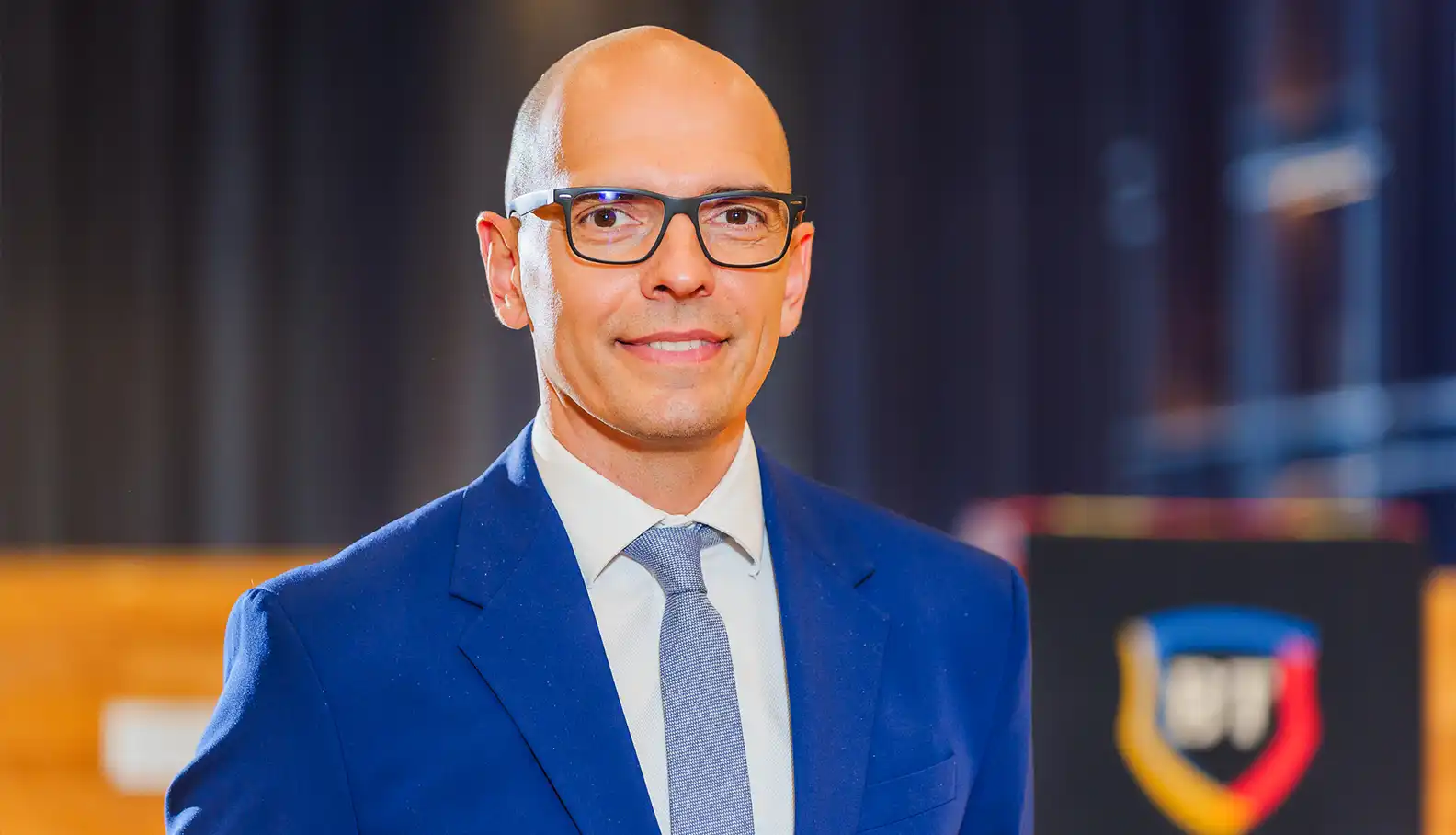
Horia Ciorcilă, BT: We are targeting 100 billion euros in assets. We continue to assess growth opportunities through acquisitions, but only where there is complementarity and where we can add value
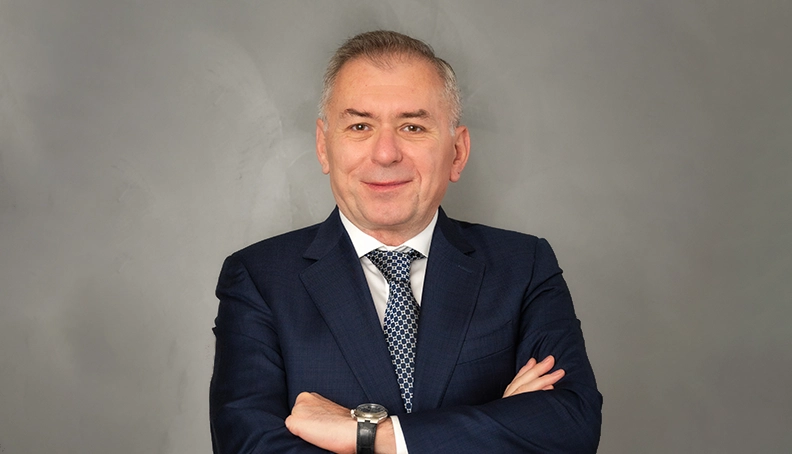
Horia Ciorcilă, Chairman of the Board of Directors, Banca Transilvania, gave an interview to Ziarul Financiar, in connection with BT Investor Day.
On the bank’s goals for the coming years:
- We continue to evaluate growth opportunities through acquisitions, but only where there is complementarity and where we can add extra value for shareholders, investors, clients and the economy. We are not interested in size for size’s sake. We care about growth that brings synergies and efficiency.
- Amid market dynamics and competition, and the expectations of investors, shareholders and clients, we know the only option for Banca Transilvania and the BT Group is to outgrow the market — which means more than doubling today’s asset base by 2030.
- We have solid, realistic plans. We will stay the course on the strategic directions that brought us here; we are well capitalized, have strong liquidity and a diversified business model. In an organization of BT’s size, the challenge is to keep your agility, entrepreneurial culture and speed of response. We will continue to invest in technology and to simplify everything that can be simplified for clients and our team.
What BT needs to do over the next few years to reach the goal of EUR 100 billion in assets:
- Financial intermediation is still low in Romania, while the economy’s financing needs and the shift towards a more industrialized economy are significant; we will continue to capture more of the country’s future growth potential. We have a full platform of financial products and solutions and will accelerate growth through our investment, leasing and microfinance subsidiaries.
On the impact of technology and fintech competition in financial services:
- Technology is vital; it is rewriting everything we knew and will continue to advance. In practice, it means a major change in how financial services are created, distributed and accessed. Artificial intelligence, data analytics, automation and new client interaction models will fundamentally change the bank and banking in general over the coming years.
- Fintechs play a major role in this transformation. They have brought speed, innovation and a new perspective on the client experience.
- Competition will be where the solutions are better for clients. The winners will be those who manage to embed banking as much as possible into the day-to-day lives of people and businesses.
What the bank’s main strengths are and where it still has work to do:
- Our main strength is that we’ve managed to combine scale with an entrepreneurial mindset. Second is trust, which for us is the most valuable form of capital. We also have a diversified group-wide business model that offers complementary solutions, generates synergies, diversifies revenue sources and allows us to be the first choice for clients at multiple moments in their lives or in the life of a business.
- Another strength is our execution capability. We can integrate complex acquired organizations, manage periods of economic volatility and turn market opportunities into profitable growth. For investors, this is one of the most important qualities a financial institution can have.
- We still need to improve on speed and simplification. That’s one of the reasons we consistently invest in technology and automation.
On the BT founders’ vision:
- When we founded Banca Transilvania more than 30 years ago, together with over 40 other entrepreneurs, we didn’t have a number in mind, and we certainly didn’t imagine that one day we would be talking about a financial group aiming for assets of EUR 100 billion. Our ambition was simpler and, at the same time, deeper: to build a Romanian bank relevant to the economy that was just emerging after 1989 — a regional bank our families and friends could be proud of.
- We started with a single branch in Cluj-Napoca, a team of 13 people and our first clients were the founders ourselves. In the same year, the bank reached 5 branches and 15,000 clients.
- Romania in 1994, when BT started operating, was very different from today. Capitalism was in its infancy, entrepreneurship was more an act of courage than a career option, and the financial system was in transition. We wanted to be useful to people and companies. Scale came later, over time.
What was the turning point that transformed the bank from an entrepreneurial project into an institution that today has the ambition to reach EUR 100 billion by 2030:
- There wasn’t a single moment. It came when we understood that BT could play a much larger role than it had. As the Romanian economy matured, we realized the opportunity was to become a national and regional champion, and that change of perspective made the difference. There were also a few tests that confirmed we were on the right track — the financial crisis and, later, the pandemic — when we adapted our business model and continued to grow.
- Likewise, integrating acquired banks and companies with activities complementary to banking helped us build, at scale, both capabilities and a more diversified business model.
What he would like people to say about Banca Transilvania in 30 years’ time, beyond reaching the EUR 100 billion assets target:
- Thirty years from now, I would like people to say that Banca Transilvania was one of the companies that played a major role in Romania’s growth and transformation — through what it created for shareholders and investors, through what it did for entrepreneurs, for communities and for Romanians’ confidence in the future.
- EUR 100 billion matters because it speaks to scale and relevance. But numbers, however impressive, are only a snapshot. What endures over decades is the footprint you leave on the economy and society.
- I would like people to say that BT was the bank of the generations of entrepreneurs who built modern Romania. That we were there when ideas were still on paper, when companies were just starting out and when courage needed a partner. And that, as Romania grew, we grew with it. Thirty years from now, few will remember the exact asset figure. What will matter is the value created around us: stronger companies, more prosperous communities, a more competitive Romanian economy.