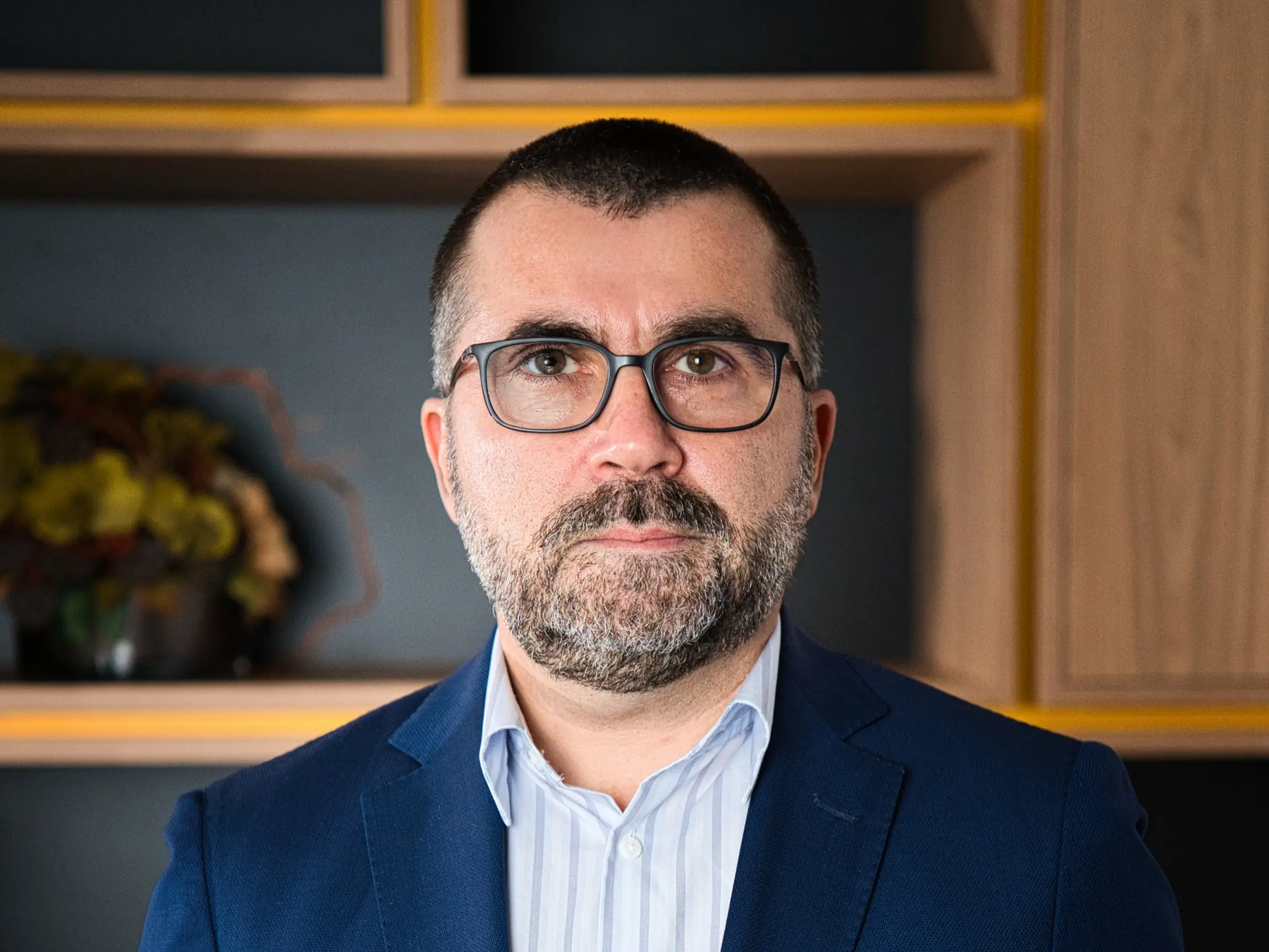
Ömer Tetik, BT CEO: Financial education — the capital that does not appear directly on the balance sheet
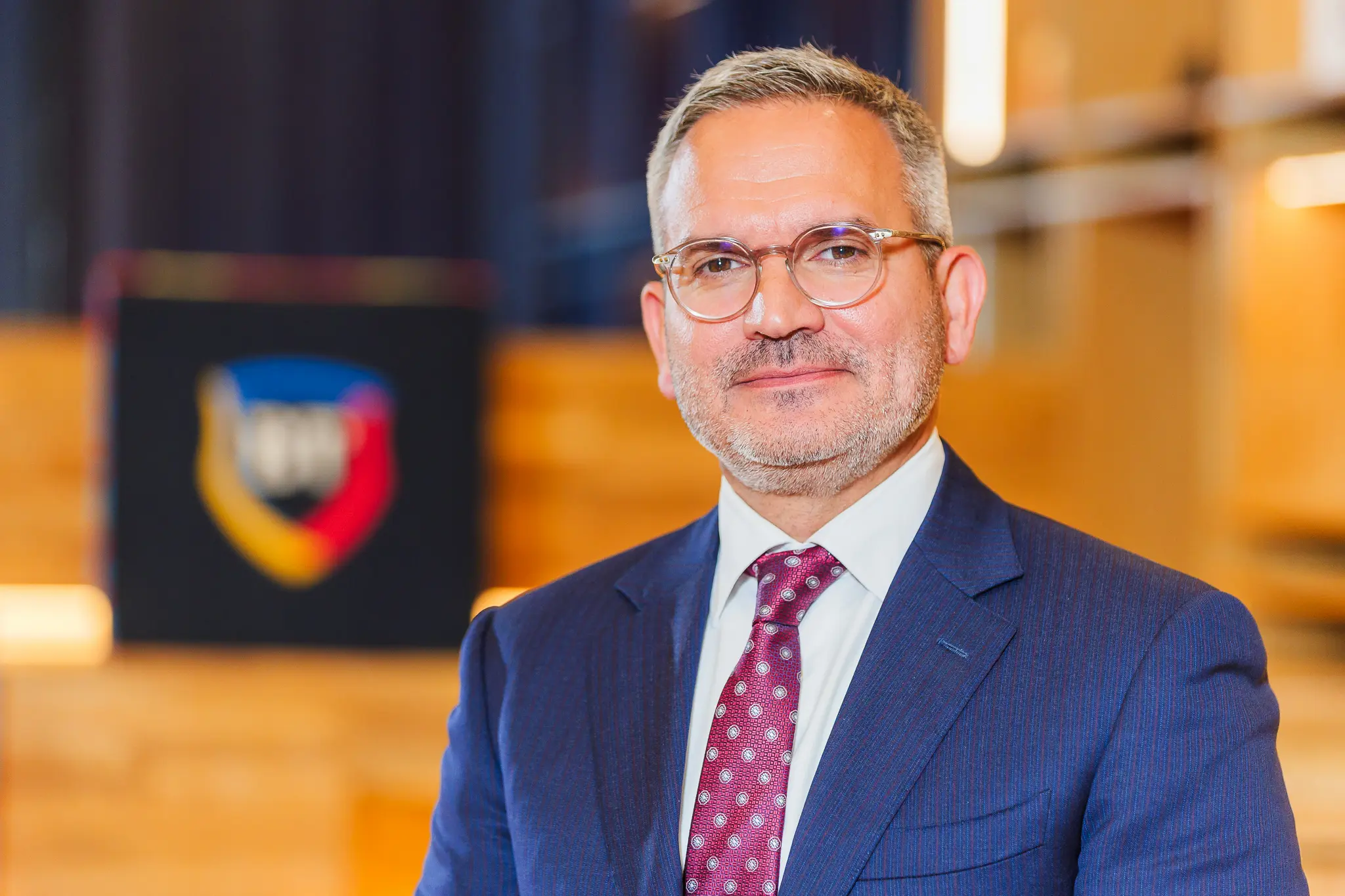
Ömer Tetik, CEO of Banca Transilvania, gave an interview to Financial Intelligence as part of the editorial project “Financial education — the best investment in yourself”, produced together with Banca Transilvania. Read the full interview below:
Banca Transilvania has been involved for many years in financial education projects. Why do you consider financial education a strategic investment for both society and the banking system?
Financial education isn’t just about understanding money; it’s about making better decisions in life. Every informed financial decision means more independence for individuals, more confidence for entrepreneurs and a stronger economy for Romania.
A society with a higher level of financial literacy makes better choices about saving, borrowing, investing and planning for the future. That contributes to personal prosperity and to stronger communities.
From our perspective as banks, financial education means better-informed clients who understand products, services and apps more clearly and who manage resources more responsibly. Its impact goes beyond banking because it supports entrepreneurship, encourages investment, increases financial inclusion and helps build more resilient communities.
How has the level of financial literacy among Romanians changed over the past decade, and what do you see as the biggest challenges that still need to be overcome?
Romania has made great strides over the past ten years. We’re seeing greater interest in investment solutions and — as they develop — in digital financial solutions. At the same time, more and more people are asking how to manage their money better, how to build a financial buffer, and how to put their savings to work and diversify them. That shows a change in mindset — and it’s mindset shifts that drive lasting change.
The challenges are still significant. Access to information isn’t enough; what matters is turning it into healthy financial behaviours. Another challenge is the speed at which the financial world is changing. Digitalisation, new payment methods, investing and access to information create extraordinary opportunities but also require new skills. That’s why we can say financial education is no longer an advantage but a capability, precisely because it isn’t measured by how many financial concepts we know, but by how ready we are to make good decisions. Beyond building a more prosperous society, this also builds a more confident, more optimistic one.
How can we encourage a culture of saving and long-term investing in a society where instant consumption is often promoted?
We need to strike a balance. People should enjoy the results of their work today, while also building security for tomorrow. A savings culture starts with financial education, but it continues through concrete examples and access to simple solutions. The more accessible, easier to understand and more embedded in daily life saving and investing become, the more people will adopt them as habits.
We should also change how we look at saving. Saving doesn’t mean putting life on hold; it means creating more freedom of choice for the years ahead. And investing is a way for everyone to participate in building their own prosperity — and that of their family, community and society.
Societies that accumulate capital are able to invest more, innovate more and grow faster. Consumption helps us live in the present, while saving and investing help us build the future. Strong economies manage to do both well.
What are the most common financial mistakes you see among entrepreneurs at the start of their journey, and how can financial education help prevent them?
Entrepreneurs at the beginning of the road typically have courage and energy. What’s sometimes missing is the experience needed to turn a good idea into a sustainable business. One of the most common mistakes is focusing exclusively on growth — ideally very fast — and too little on resilience. Some entrepreneurs invest all their resources in expansion without thinking about financial reserves for tougher periods. And in business, liquidity is just as important as profitability.
Another challenge is the lack of long-term financial planning. Entrepreneurs certainly know their products, offering, market and customers very well, but sometimes they underestimate the importance of cash flow, cost structure and diversifying funding sources. Often, a business’s success comes down to the ability to manage financial resources in times of growth and volatility, more than the quality of the idea. A good idea can start a business, but financial discipline is what helps it endure and grow.
What role do partnerships between banks, authorities, the education system and the private sector play in raising the level of financial literacy in Romania?
Financial education cannot be built by a single institution or company. It’s a shared effort, and real progress comes when banks, authorities, the education system and other companies jointly take responsibility for preparing people to make better financial decisions.
Banks bring practical expertise and direct contact with millions of customers, authorities can agree the necessary national frameworks and strategies, schools and universities build capabilities over the long term, and the private sector contributes through resources and programmes dedicated to employees and communities. Each of these components is important, but the real impact comes when they work together.
What message do you have for young people who are starting their professional and financial journey today and want to build a future based on sound financial decisions?
Financial education is one of the most valuable investments they can make in themselves. In the first years of a career, the difference isn’t necessarily how much you earn, but how well you understand how to manage what you earn. The financial habits you build in childhood, and at 20 or at 30, shape your views and your freedom in the years to come.
Young people today have access to more information, tools and opportunities than any previous generation. At the same time, they are exposed to a very large — in my view, too large — volume of financial decisions, from choosing a card to loans and investments, through to planning a private pension. I encourage them to be curious, seek information, ask questions, learn continuously and not make decisions without understanding the long-term consequences.
Another piece of advice is to be patient, because today quick results are often promoted, but financial prosperity is built over time and requires discipline, saving, investing and consistent decisions. I also advise them to invest in their own skills.