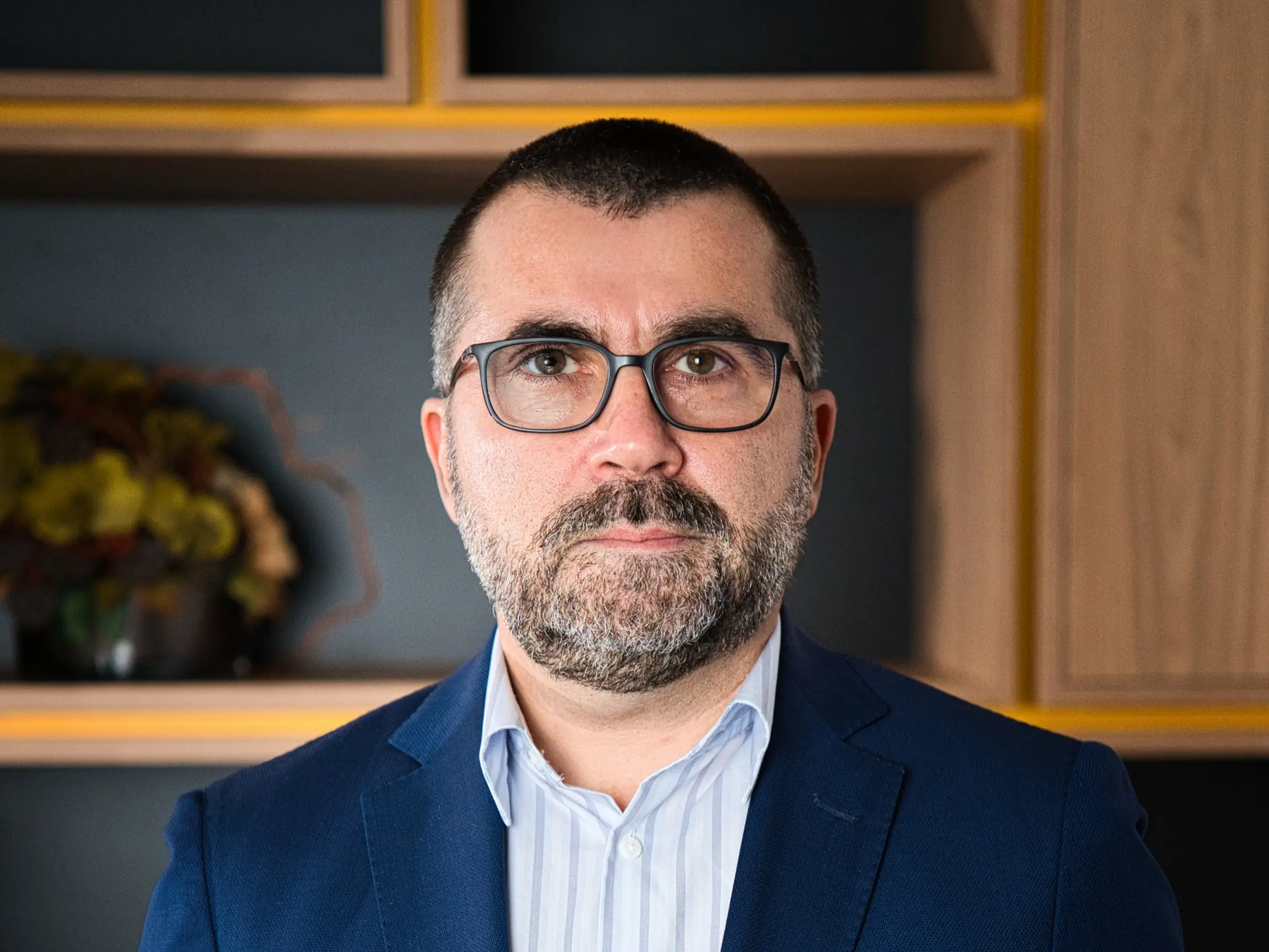
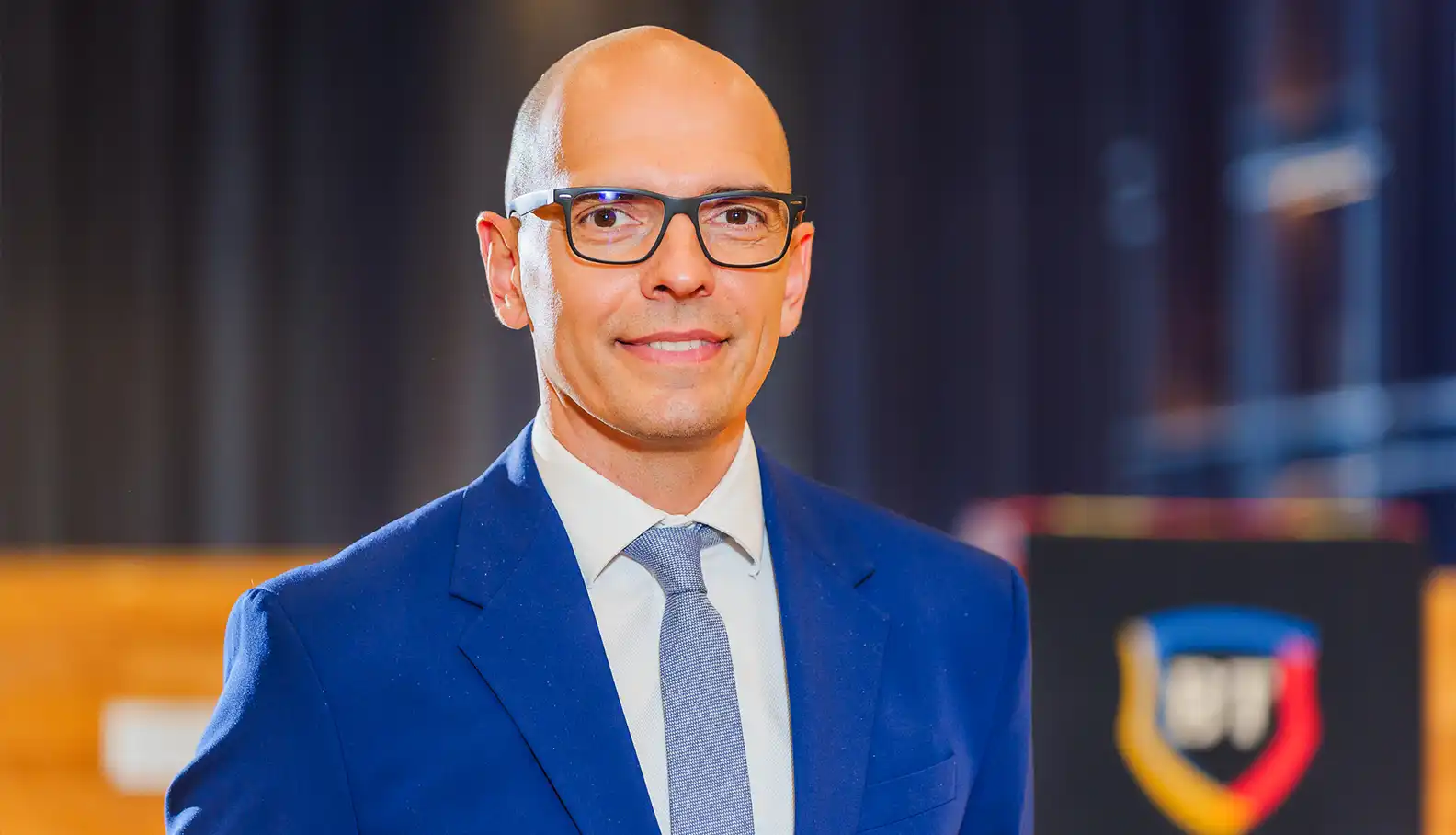
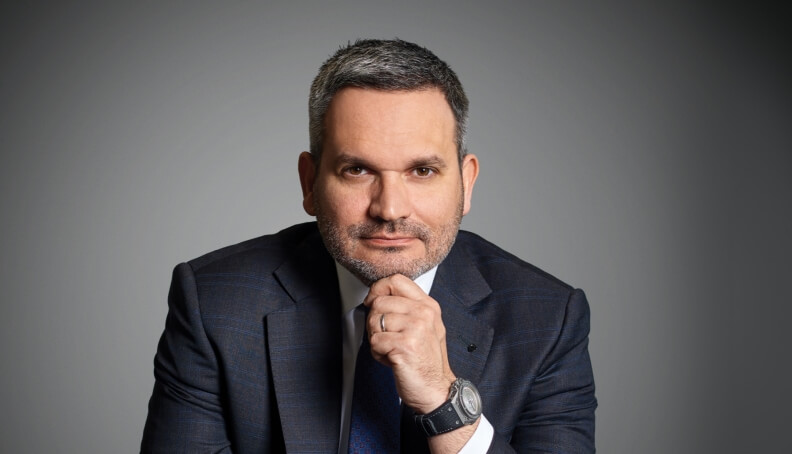
Ömer Tetik, BT CEO: "Everyone talks about the crisis and challenges, but at the individual level there is optimism"
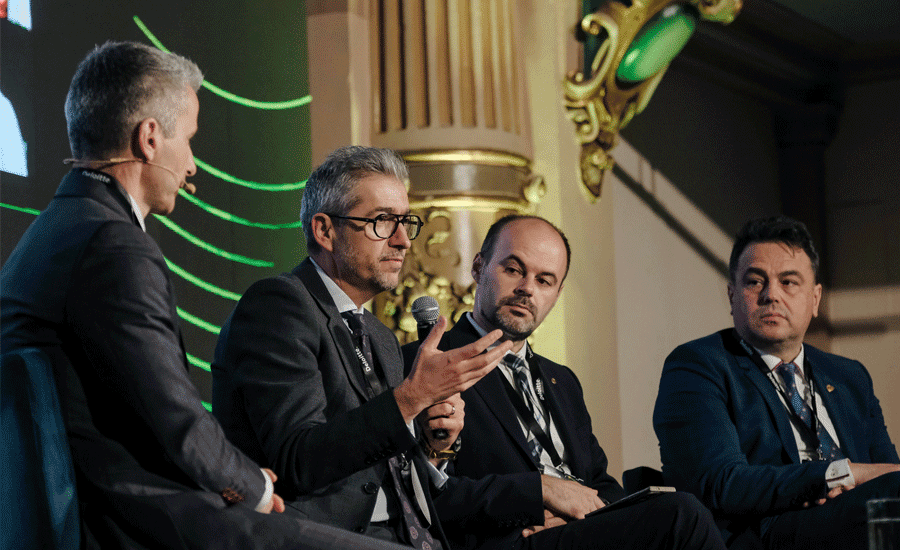
The launch conference for the PwC CEO Romania Survey 2023 brought together chief executives for an in-depth discussion of the most widely discussed questions in business: the outlook for 2023, key threats, and the current macroeconomic and geopolitical environment. The event took place on March 29 in Bucharest.
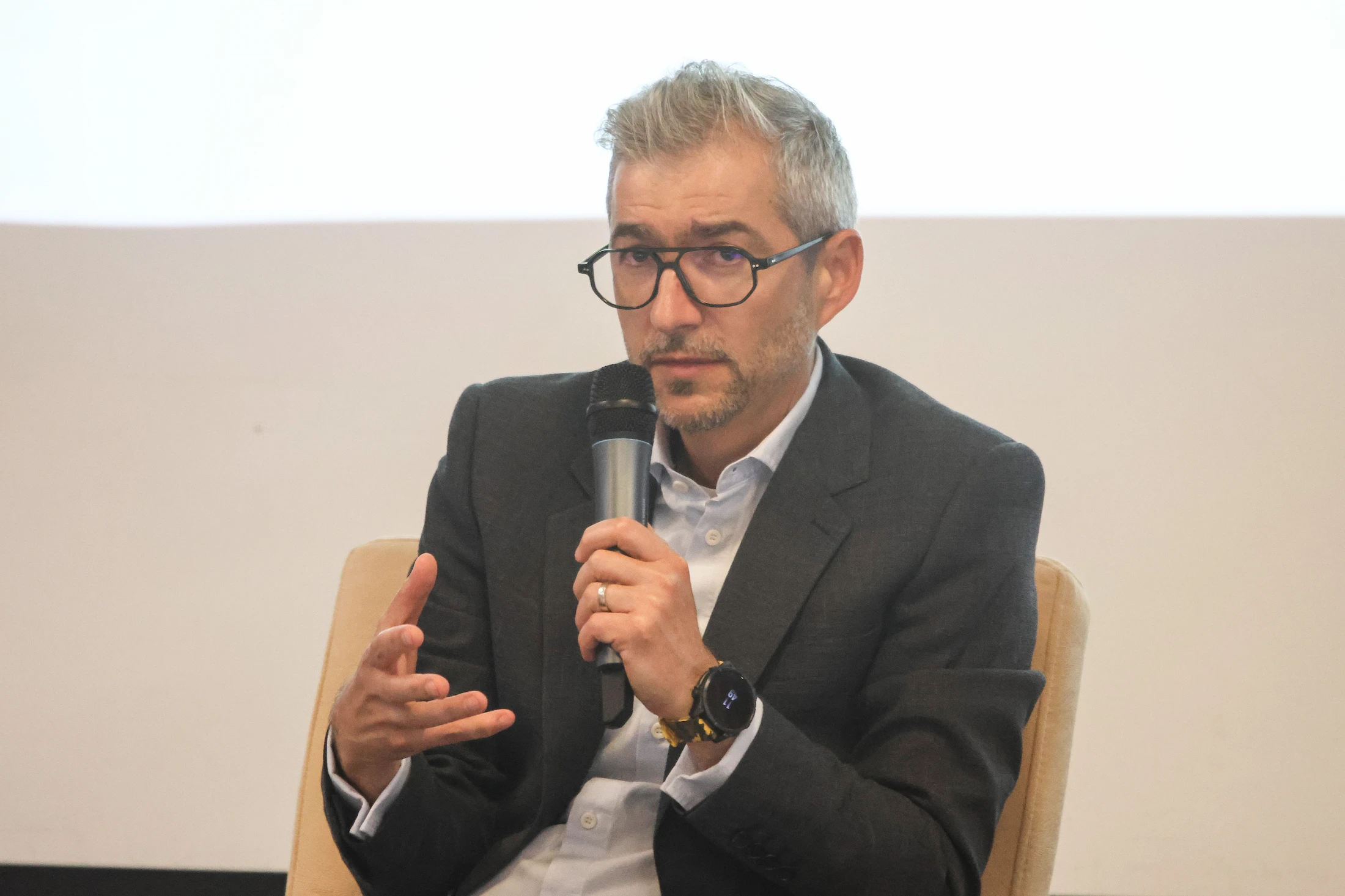
BT was represented by Ömer Tetik, BT Chief Executive Officer. His remarks on this occasion, as picked up by PwC and by Ziarul Financiar, were as follows:
I believe Romania is currently facing a demographic crisis and an implementation crisis. We also see many opportunities. In our day-to-day business we’re seeing a sharp decline in mortgage lending — people are buying fewer homes. People haven’t given up on cars or traded down to cheaper ones. Saving slowed, but has resumed.
We work with other people’s money, so our challenges are the sum of everyone else’s challenges. Taken individually, the situation is exactly as the survey shows: everyone talks about crisis and challenges, but at the level of each company there is optimism — we believe new opportunities will arise, and we continue to invest. We’ve slowed some investments, but not abruptly. We continue lending and have fairly ambitious growth budgets.
Inflation is nothing new. Romania grew in the early 2000s with double-digit inflation. What matters is adaptation.
100 CEOs said the rest of the economy would fare poorly, but they would do well. We’re more comfortable about our own business because we know our numbers. We’re less emotional than the outside noise.
The global context is highly volatile, with many disruptive factors that are (re)shaping the local and international economic environment. We are facing polycrises that amplify one another: first the pandemic, then the conflict in Ukraine, the energy crisis, inflation, supply chain issues, the climate crisis and the need for an energy transition, which comes with a huge cost and a sense of urgency.
Over the years, every crisis has brought a reframing of how society is organised, while also creating fertile ground for opportunities. In practical terms, we’ve prepared in a very pragmatic way so we can be close to our customers and colleagues. To use a metaphor — we’re closer to the front line, closer to customers and colleagues, and we act much faster, so we can support them with solutions to the problems that inevitably arise in any crisis.
Our line of business is financial intermediation, and our challenges are essentially the sum of our clients’ challenges and those of the Romanian economy. That’s why our main strategy is to focus on how we can help our clients and contribute to sustainable economic growth in Romania. We’re ready to respond quickly with solid solutions. We’re fully mobilized and we’re trying to shorten response times and decision chains as much as possible.
Banca Transilvania has Romanian DNA, and that is one of our main strengths. We’ve grown alongside our clients and the economy, we’ve been part of all the transformations the business environment has gone through over the last three decades, and we’ve kept pace with the market with agility. We’ve built the largest bank in Southeastern Europe, and all this stems from an organisational culture based on growth and development. This is our foundation and the reason why we believe in Romania and remain optimistic.
It’s clear that we’re going through a tough period for business — one ingredient being higher funding costs. But we’re in a much better strategic position than in previous crises. We are a solid, very well-capitalised bank with a diversified portfolio and greater favorability — we are the bank of choice for a first bank account or a first loan. A low non-performing loan ratio and provision coverage above the European average also help and encourage us. All these are signs that we’re ready to finance the country, the economy and people, even if the period ahead looks equally complex and volatile.
Now in its 26th edition, the PwC Global CEO Survey offers a snapshot of company leaders’ views and business decisions. PwC’s consulting and audit study brings together the responses of more than 4,400 chief executives from 105 countries (including Romania) on the most important issues facing society today. The study was conducted in October–November 2022.
The study set out to analyze the following:
- The uncertainties arising from the current environment and the decisions executives are making in this context
- The race for the future: what are the next steps in business?
- Balancing day-to-day decisions with the rollout of strategic initiatives
Some of the key findings on the perceptions of CEOs in Romania:
- 62% of chief executives expect national economic growth to slow this year;
- 92% say they are already cutting operating costs or plan to do so;
- 69% believe labor and skills shortages will affect industry profitability;
- 73% plan to invest in process automation and workforce upskilling.
The 12th edition of the PwC CEO Survey 2023 for Romania can be read in full here.