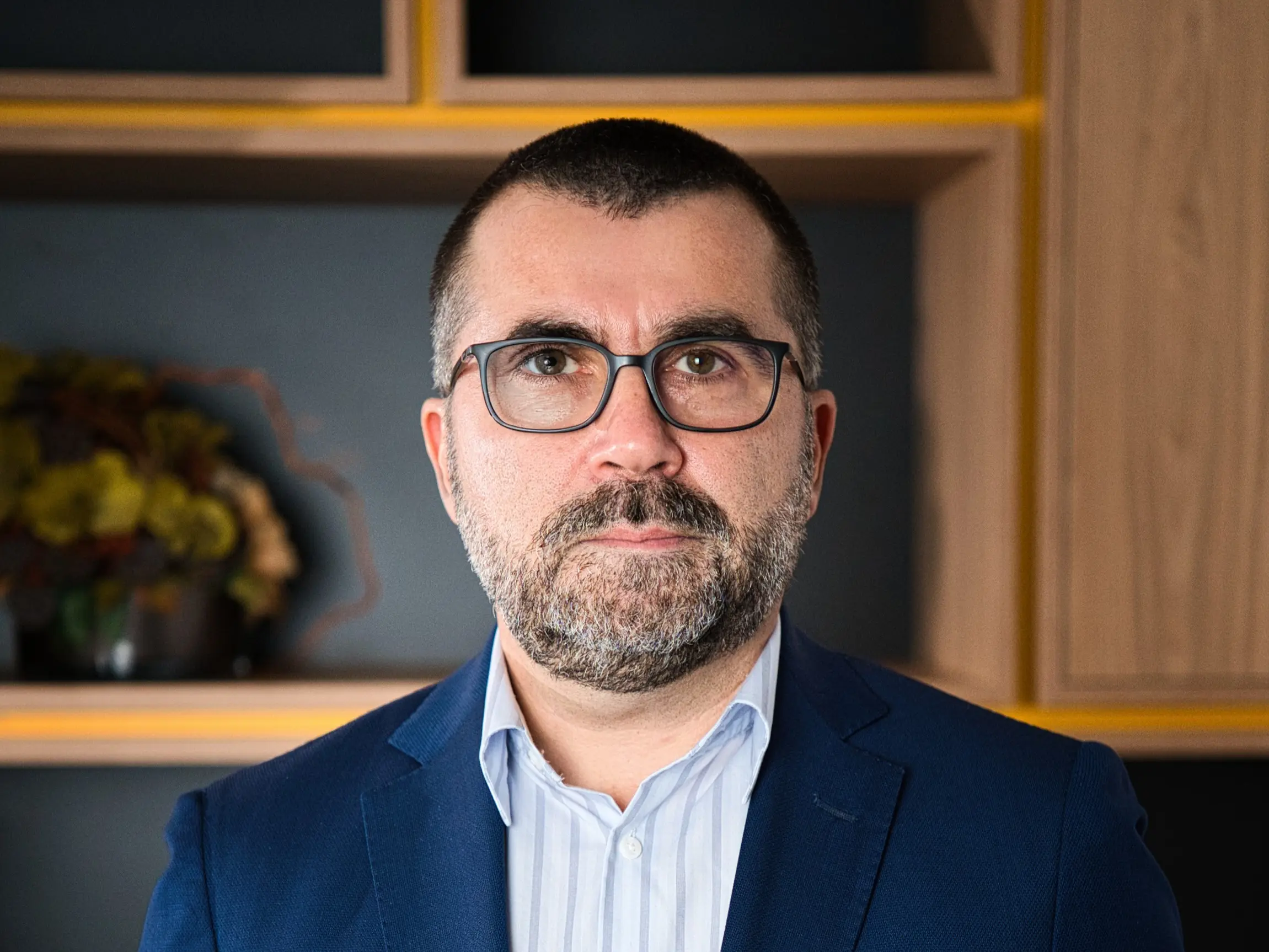
Tiberiu Moisă, BT: "In agriculture we need skills, education and long-term development programmes that also include processing"
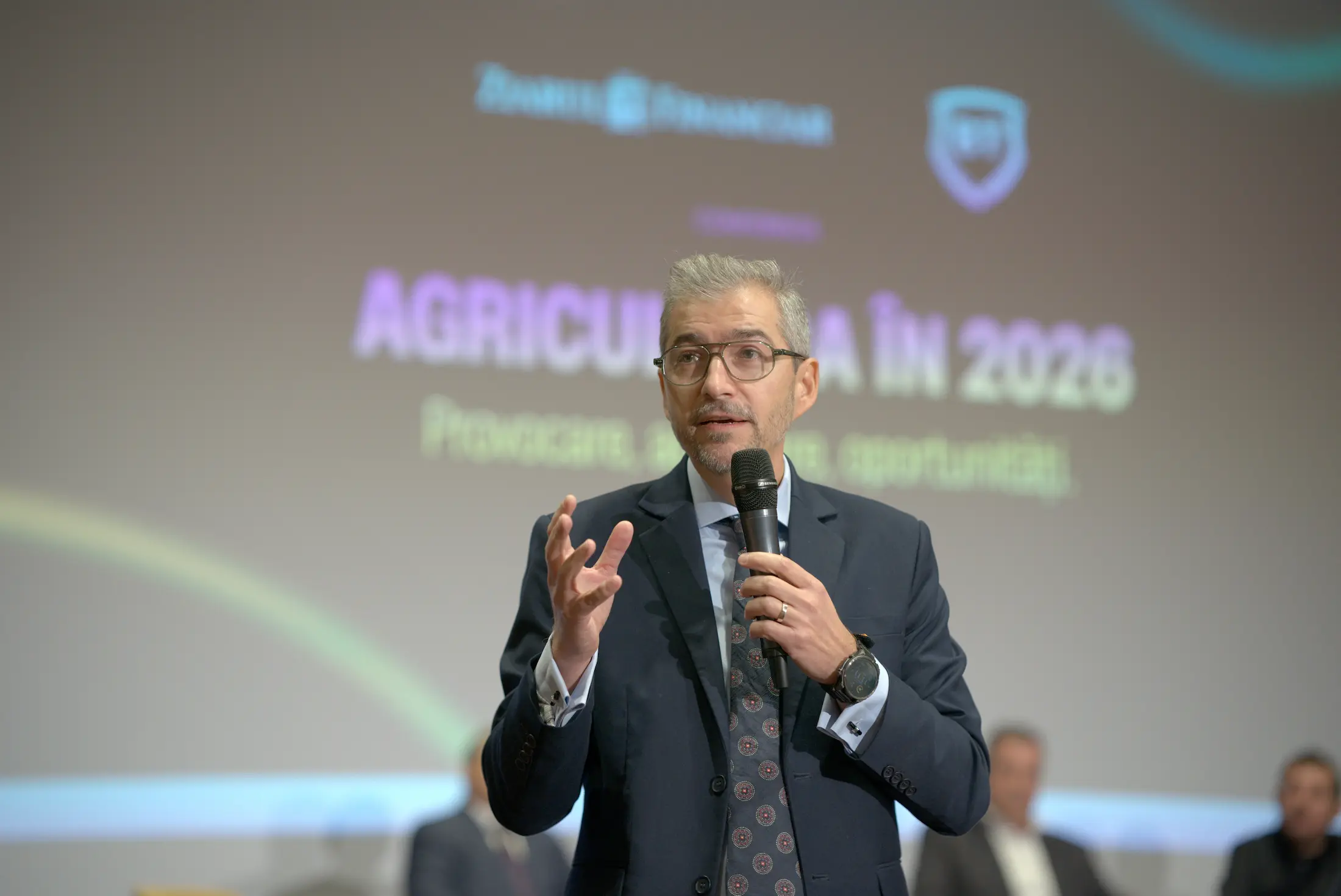
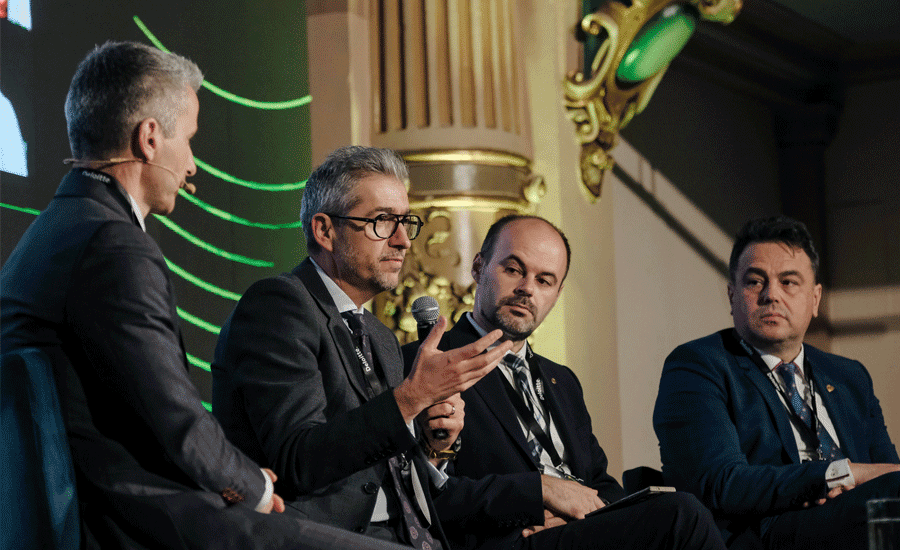
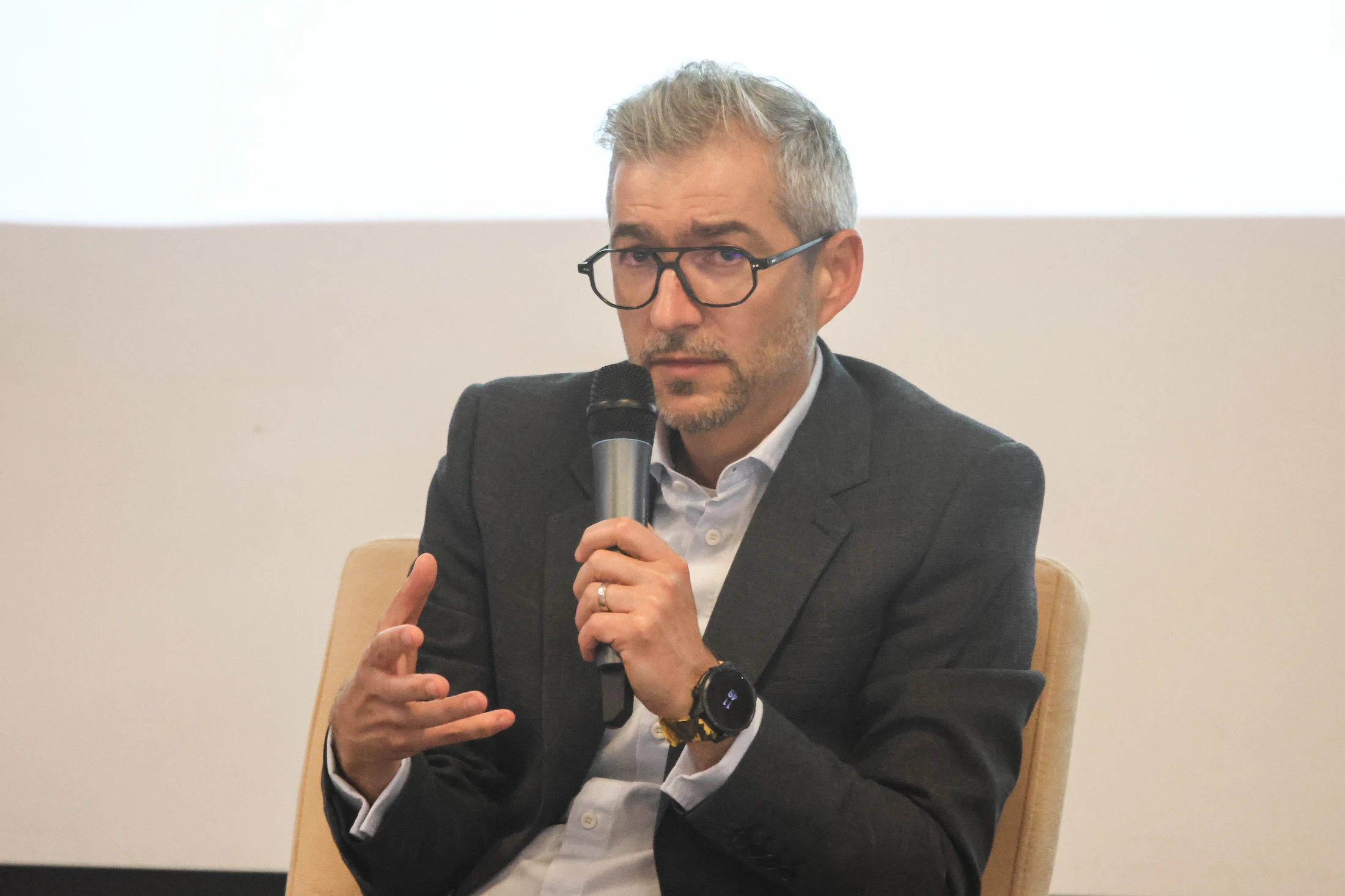
Tiberiu Moisă, Deputy CEO, Corporate & SME at Banca Transilvania, took part in the conference "Agriculture in 2026: Challenge, Adaptation, Opportunities", organized by Banca Transilvania and Ziarul Financiar in Craiova.
The discussions focused on developing Romanian agriculture, the need for processing and for creating greater added value, as well as the role of financing in supporting the sector. On this occasion, we selected some of Tiberiu Moisă’s remarks:
On BT’s commitment to agriculture:
- Today, BT accounts for approximately 25% of total lending to the agricultural sector, and this year our portfolio has grown by almost 6% despite the challenging context, bringing the outstanding balance to around RON 7 billion.
- Our portfolio covers farms of all sizes, from small to very large, across crop farming, livestock, vegetable growing and fruit growing. In other words, we are present almost everywhere.
- We intend to develop this portfolio because agriculture has a future. I don’t see it any other way, and I believe we can learn to farm better and better—and we want to be part of that solution.
- Doing something meaningful beyond this level requires capabilities we need to build or rebuild. It requires education.
- The idea that a farmer can, on their own, know how to farm, manage the land, do financial planning, sell their output, hedge—that is, manage risks—sell into supermarkets and do processing is unrealistic. No one can, on their own, embody so many skills and capabilities.
On developing processing in agriculture:
- The capital needed for processing to cover Romania’s deficit in this area is very large—probably much larger than what primary agriculture needs as a whole.
- Beyond processing comes the sales and marketing stage, with a full discussion about how we can reach store shelves more effectively and what chances we have on shelves in Romania and abroad.
- Processing in itself should be a national programme, not a programme for a farmer on their own. We need a national programme where capital meets well-crafted incentive schemes, an education programme and skills, as well as a plan of at least ten years. You can’t build processing capacity unless you let things run over a longer cycle.
On the industry context:
- It hasn’t been a great year for us either, because all the problems that have accumulated in agriculture in recent years are visible in our loan book as well. The stronger a sector is in terms of financial sustainability, the more financing and development it attracts. It’s a direct relationship.
- In qualitative terms, our loan portfolio no longer looks as strong as it did a few years ago, but what we’re doing appears to be qualitatively better than the banking sector average. So we believe we’re on the right track. We see a future for agriculture as a sector, and this year we are seeing growth in our loan book, perhaps even beyond my expectations.
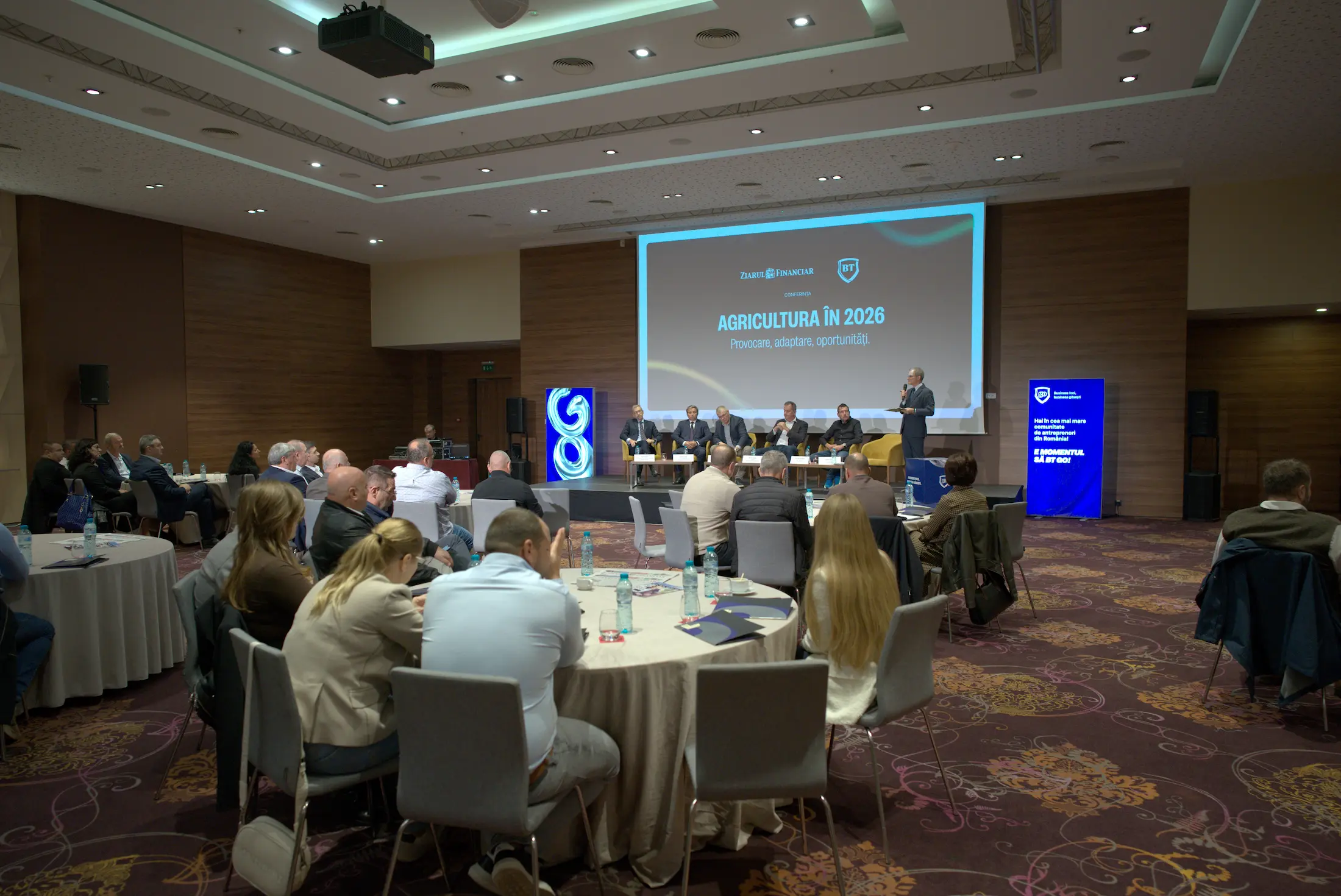
The conference can be watched in full here.