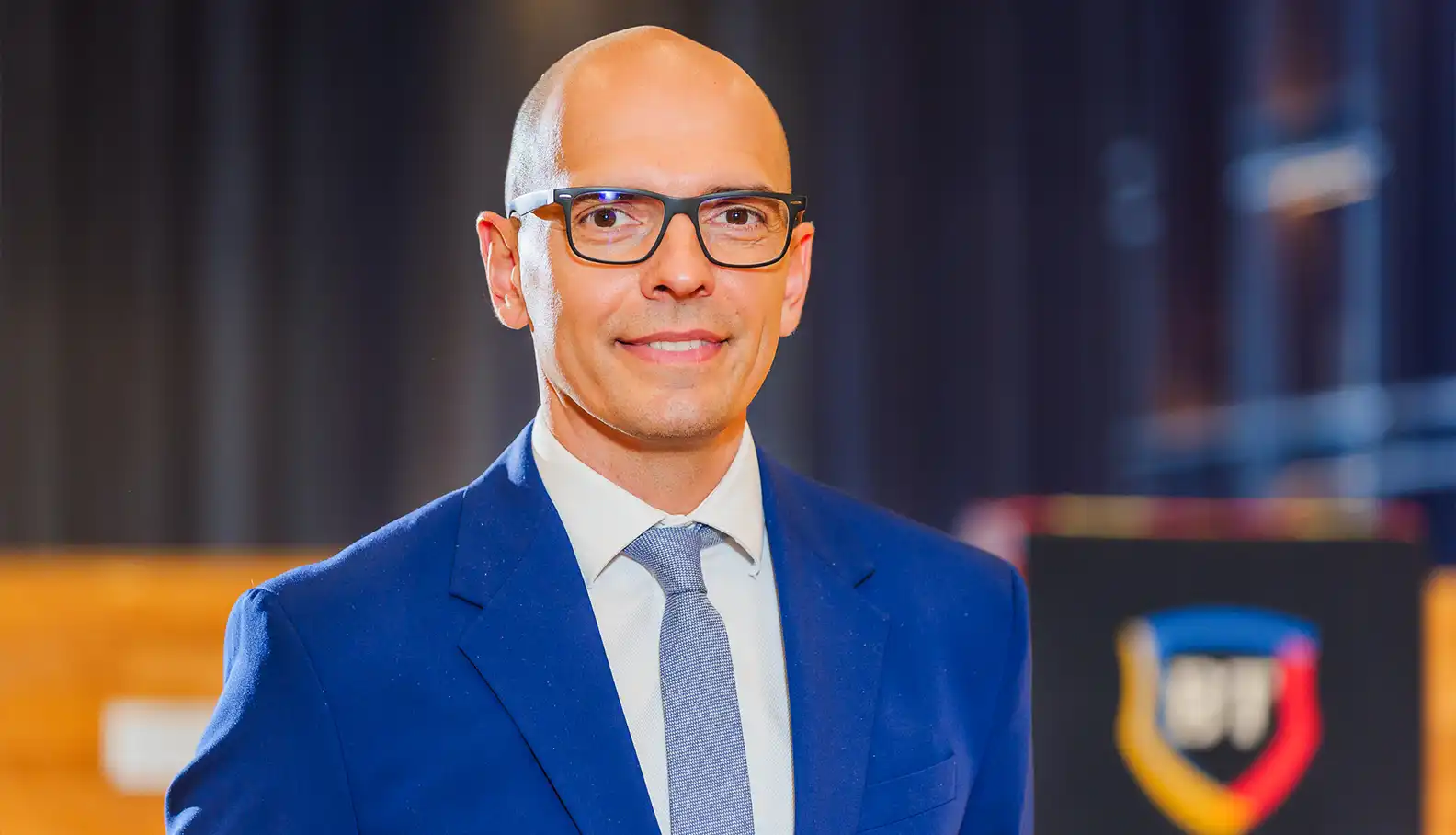
Bogdan Pleșuvescu of BT: The business community needs turnaround specialists
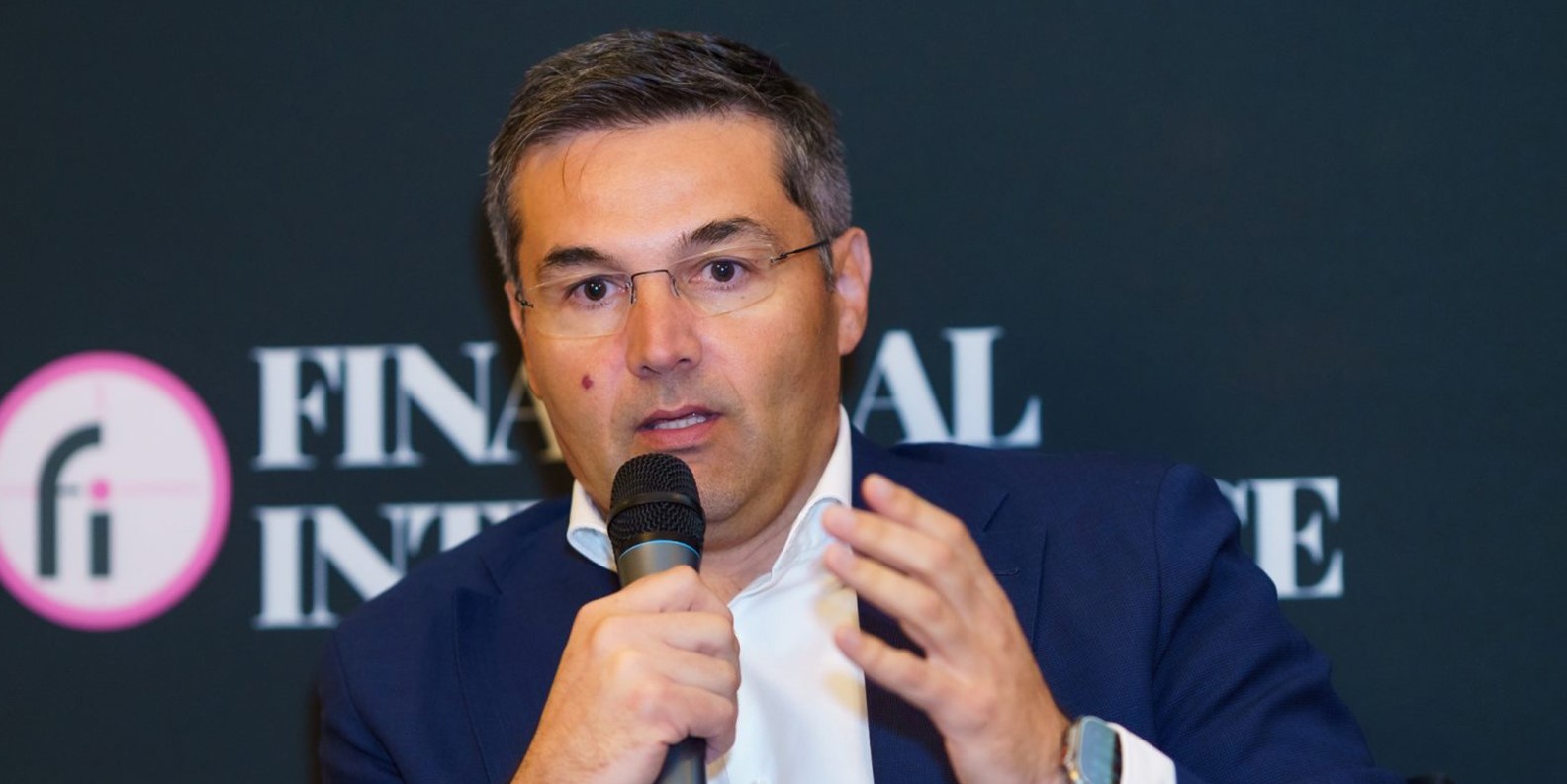
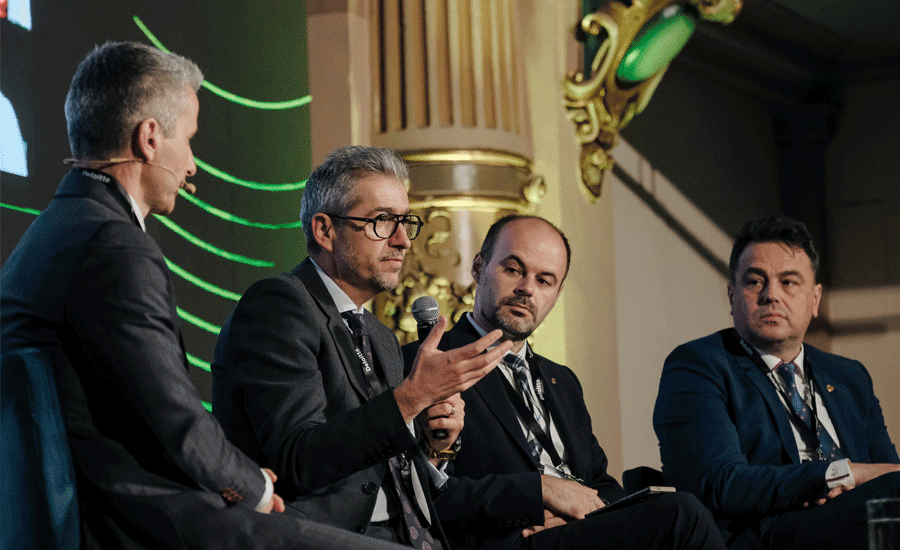
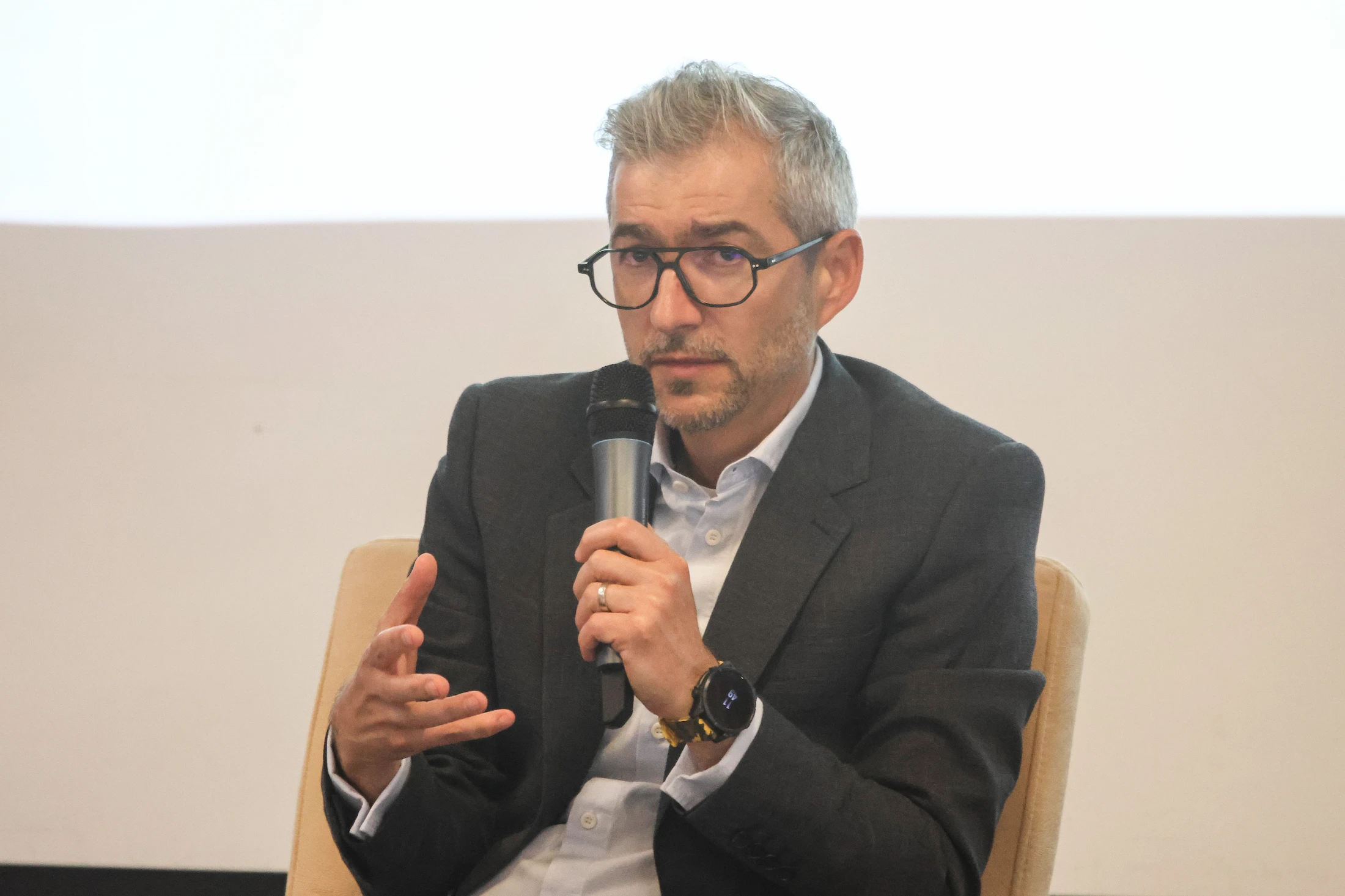
Bogdan Pleșuvescu, Deputy CEO, BT, took part in the debate Restructuring, a measure to prevent insolvency, hosted by Financial Intelligence (Bucharest, June 2025), where he made the following points, built around the idea that you cannot restructure a company with the same team that led it into crisis, and that the business community needs turnaround specialists to address a company’s problems before it reaches insolvency:
- In banking, we see that in very many insolvency cases, or situations where clients resort to insolvency, they view the procedure purely as protection from creditors — from enforcement or from creditors calling in what they are owed. It is not right to present these as protective procedures; rather, based on the measures available within them, the debtor — whether a legal entity or an individual — should be able to return to economic activity in Romania.
- It is important for the entrepreneur to understand that the measures in a restructuring plan, a reorganisation plan or a restructuring agreement must be realistic, have a solid basis, and be negotiated in good faith with all creditors. Implementing the plan must be done in a way that misleads no one and allows the company to be brought back into the economy.
- From a company’s perspective, there is a curve to insolvency. The further along that curve you let things go, the greater the risk of insolvency. For example, a company with no apparent issues and very good profitability may suddenly face a strategy crisis. This is usually spotted first by management, which tries to address it in-house and makes very little use of external help. At this point, the insolvency risk is very low. Next often comes a profitability crisis, which shows up in the financials as profitability starts to decline, and shareholders notice it too. External help is usually sought at this stage — and I believe this is when you should move fastest to bring in consultants, to avoid sliding into a cash flow crisis.
- When the company’s profitability or the profitability of its products starts to falter, that is the moment for someone from the outside to come in. It is a mistake to think a restructuring can be done with the same team that led to the operational problems. I believe you need a turnaround specialist, who is different from an insolvency practitioner. A turnaround practitioner has a completely different mindset — not to steer the company toward a formal court procedure, but to apply restructuring measures early, whether structural or operational, and to rebalance the financial position so that, in the short term, the company gets a small boost that buys the time needed to make changes, adapt and keep performing.
- If that doesn’t happen, a cash flow crisis sets in. Creditors notice it first — not only banks, but especially suppliers — because the company delays or struggles to pay its invoices or to meet debt service to the banks. The insolvency risk is already very high, and at this point the company must urgently turn to an insolvency practitioner, who can advise on the appropriate procedure for the situation, based on the analysis — a restructuring agreement or preventive concordat, insolvency proceedings, a reorganisation plan or, indeed, straight into bankruptcy.
- We need to understand that, over a company’s life, the entrepreneur has to be the one aware that external advice is needed — and has to seek it before it’s down to the wire, before asking for the protection of insolvency proceedings. Action must come much earlier, and this is where our role lies — banks and practitioners alike — to guide entrepreneurs flagged by early warning signals as quickly as possible.
- When these early signals appear, entrepreneurs should seek specialist help. I will stress again: a different leadership team is needed. The first step any entrepreneur should take is to bring into the team someone new, specialised in turnaround, whose sole mandate is to deliver that turnaround and then hand over to someone who can drive the business’s growth.
- On the macro side, looking at Romania’s figures for the first four months, we’ve noticed — especially among companies in our portfolios — that since November many investment projects have been put on hold because of this period of uncertainty. The impact of these delays will show over time. An investment typically runs for at least a year, and its effects are visible after a year to a year and a half. In practice, we will likely see the effects of this pause build, probably next year.
- There are very significant opportunities in the market, even with the threats coming from the East. It would be a pity to miss this window, which we’ve made good use of in recent years. We have PNRR funds that we are not adept at drawing, but we need to make sure we are able to submit the next request for disbursement and justification of the funds. We must draw those funds — we need them like oxygen for investment growth.
- The services sector should be developed, especially tourism. Anyone driving toward Greece sees huge queues at the border of cars from Romania heading out to spend money in other countries — which is not good for Romania. Tourism services should be developed not only on the coast, but in the mountains as well.
- Romania has capabilities and a very broad range of opportunities, but we lack the presentation — the way we promote our services. In addition, we face overregulation, excessive state intervention in how business is conducted. Neither in the UK nor in Greece are there so many restrictions from this perspective, or at least tourists do not perceive them. We need to find a balance between the business environment and public authorities so that we can help boost tourism activity in Romania.