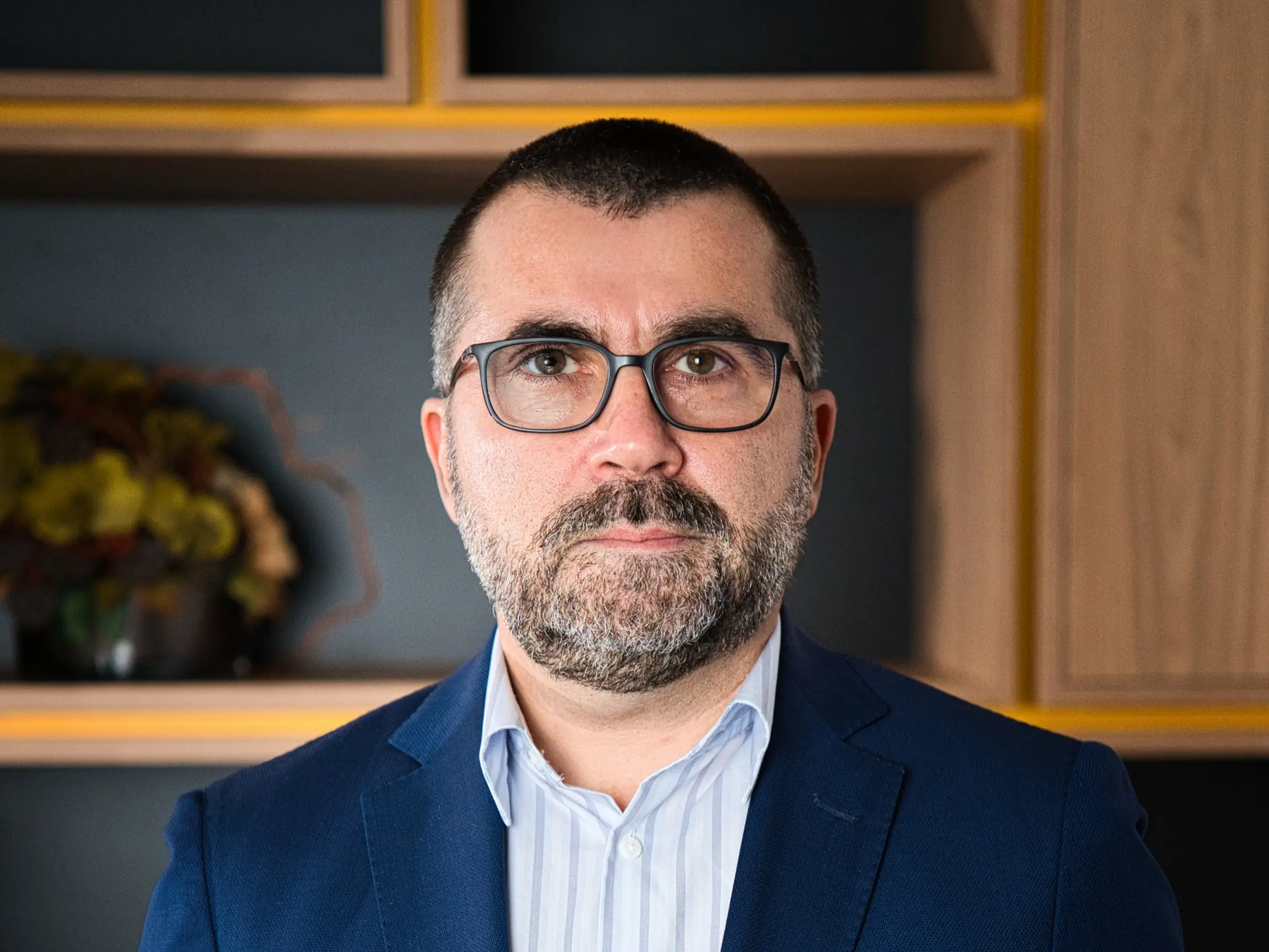
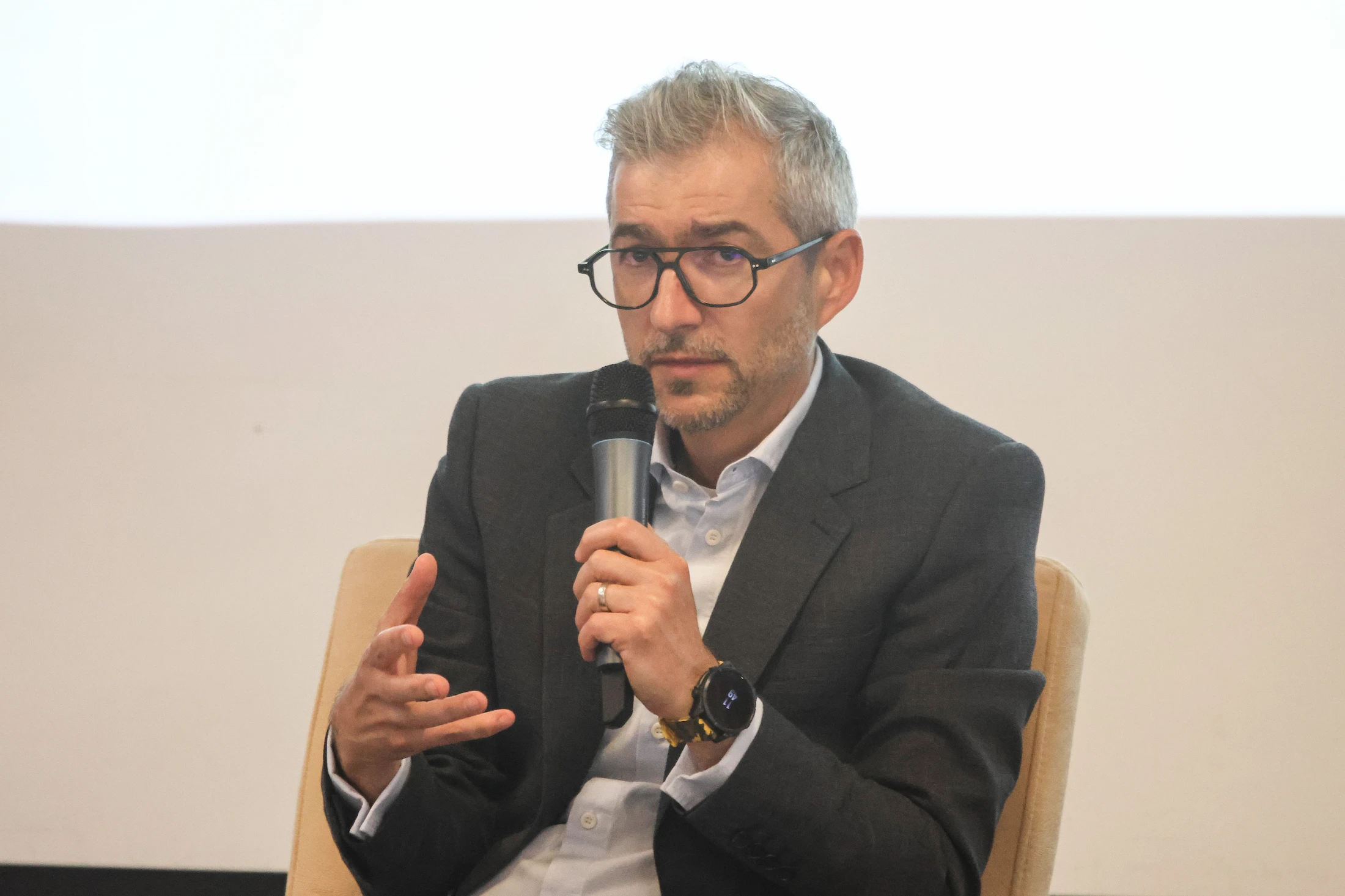
Bogdan Pleșuvescu, BT: Now is a good time for Romania and its entrepreneurs to invest
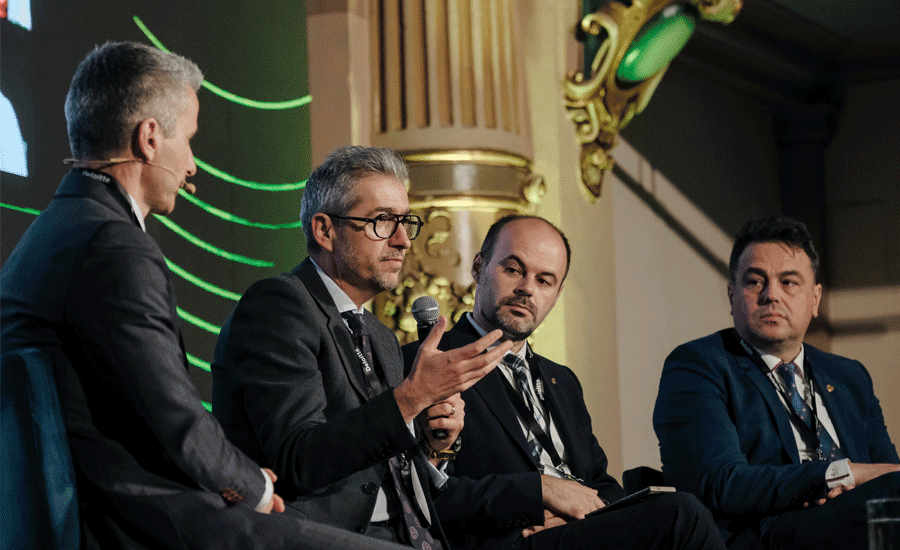
At the Conference Romania’s Homegrown Capital – Maturing and Becoming a Regional Force, held in September by CursDeGuvernare.ro, the discussion looked back on 30 years of market economy, during which domestic capital has developed, and pointed to three priorities — from diversifying investments and pursuing high value-added to international expansion.
It was also underlined that this is a very timely moment to accelerate on these three fronts, given Europe’s reindustrialisation, the advanced EU accession negotiations of Moldova and, especially, Ukraine, as well as the consolidation of the EU’s eastern flank, including on the economic front. All of this is a good opportunity for Romania’s domestic capital to demonstrate its potential.
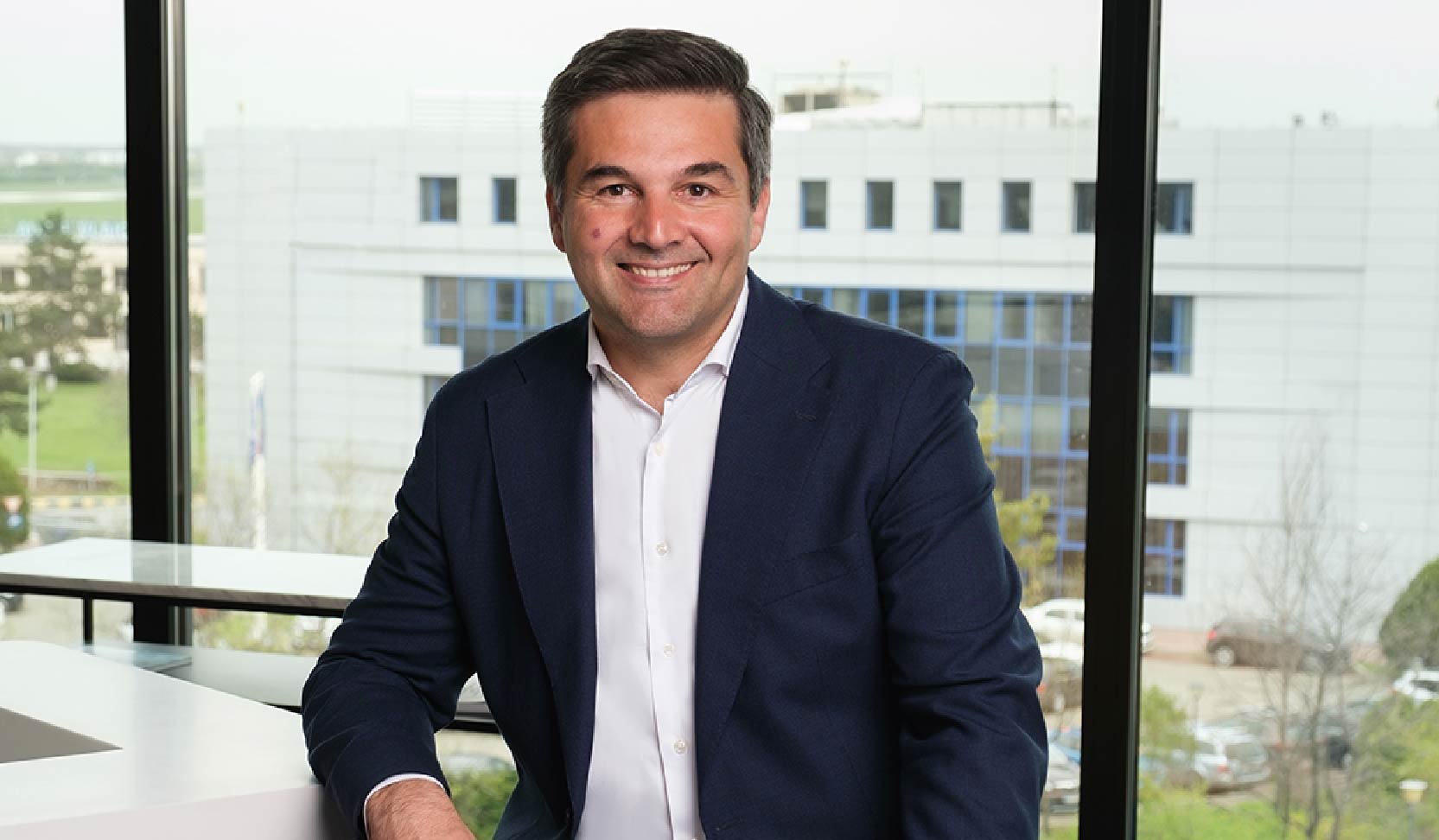
BT Group was represented by Bogdan Pleșuvescu, Deputy CEO, who conveyed the following messages regarding investment opportunities, given the economic, social and political context, and the financing of domestic capital:
- For Romania and its entrepreneurs, this is a favourable moment to invest and to steer expansion policy towards the triangle that appears to be forming: Romania – Moldova – Ukraine.
- This is an opportunity for Romanian policymakers as well. The Guarantee Fund could strongly support investments that Romanian companies might make in Ukraine’s reconstruction and in Moldova through EU pre-accession programmes.
- We have know-how and experience; others have taught us what EU pre-accession means. It’s time we, in turn, teach others — through partnership and programmes that can benefit from government support for investments outside the country.
- On internationalisation, speaking from my own experience: I took part in BT’s cross-border acquisitions — the majority stake in Victoriabank in the Republic of Moldova, where I coordinated the bank between 2018-2023; BCR Chișinău, through Victoriabank; as well as BT’s expansion in Italy, in Rome.
- Today’s generations have the opportunity to turn the know-how we gained through foreign investment in Romania — through training programmes and leadership development in Romanian companies or companies with Romanian capital — into coordinated efforts that enable Romanian businesses to expand beyond our borders, as businesses from Poland, the Czech Republic and Hungary have successfully done.
- On opportunities: it has been said that Moldova isn’t considered regional expansion. On the ground, things look different. Moldova is still outside the EU, but it has specific features and opportunities for Romanian businesses. It’s important to understand that, even if they say the train doesn’t often come into the station, for Romania and its entrepreneurs this is a favourable moment to invest and to steer expansion policy towards the triangle that seems to be forming: Romania – Republic of Moldova – Ukraine.
- Shared language, cultural proximity and the fact that we have already been through what Moldova is experiencing now would greatly help Romanian investors if they consider expanding their businesses in that area.
- Why do I say the Counter-Guarantee Fund could be a useful instrument? Because when you invest abroad, it helps to have access to financing both at home and in the country where you invest, and BT provides this platform in Romania as well as in the Republic of Moldova. I know that through the Association of Romanian Investors in the Republic of Moldova and through Repatriot, which is your partner, major efforts are being made to bring to the same table Romanian investors who want to expand into the Republic of Moldova.
- Another particularity: embassies, consulates, and visits where Romania has a strategic interest. It is important to understand that when paying an official visit to a foreign country, it should be standard to meet at least one Romanian investor active in that state. I have witnessed many visits by foreign dignitaries to the Republic of Moldova. They made sure that, when someone arrived in Chișinău, they visited an investment made in Moldova by investors from their own country. Romanian politicians should do the same, regardless of party. It’s a strong signal that underscores the importance of investments abroad, since we’re talking about expansion.
- Regarding the financing of domestic capital or of Romanian entrepreneurs to encourage external expansion, three things matter everywhere: access to know-how, access to financing, and economic and fiscal predictability.
- Access to know-how is critical because you can’t wake up at night and say, “Right, I’m investing.” You need a strategy, a plan, a product; you need to be a local champion. You need a track record and proper procedures and governance, so you can replicate these elements in the environment where you want to invest beyond the country’s borders.
- At BT, over the past two years we’ve seen that the most sought-after products by companies are those dedicated to working capital. That’s fine, but companies need strategic plans over 3-5-10 years, and those plans require investment.
- We were talking about the trend, about the need to think strategically and invest to improve productivity and competitiveness. If we don’t do that, we’ll fall behind; when consolidation comes, we’ll be the ones acquired, not the ones able to acquire competitors. It’s important to access financing lines, especially for investment programmes.
- Government programmes that support start-ups and SMEs are excellent; approximately one third of BT’s lending is done via these government programmes. They help young entrepreneurs a great deal, but education around inclusion is needed to encourage small businesses to become scalable.
- On alternative solutions, there are crowdfunding, private equity and venture capital platforms. Here’s the issue: we’re said to lack product — but not because it isn’t produced in Romania. We have companies that manage to put a product on the table. The problem is that the business angel, venture capital and crowdfunding market is structured in such a way that investment funds only in the first round of financing can — or will — invest through a Romanian company. In rounds 2 and 3, when capital raising becomes critical, the jurisdiction already shifts to Luxembourg, the Netherlands or the United Kingdom, because those legal frameworks are much more permissive and access to financing is easier. The products exist — Bitdefender, for example — but given how the world operates, they are compelled to relocate their company just to access this type of financing.
- I remain optimistic because the current economic outlook is encouraging for entrepreneurial business, and we have accumulated enough expertise to be ready for the future.