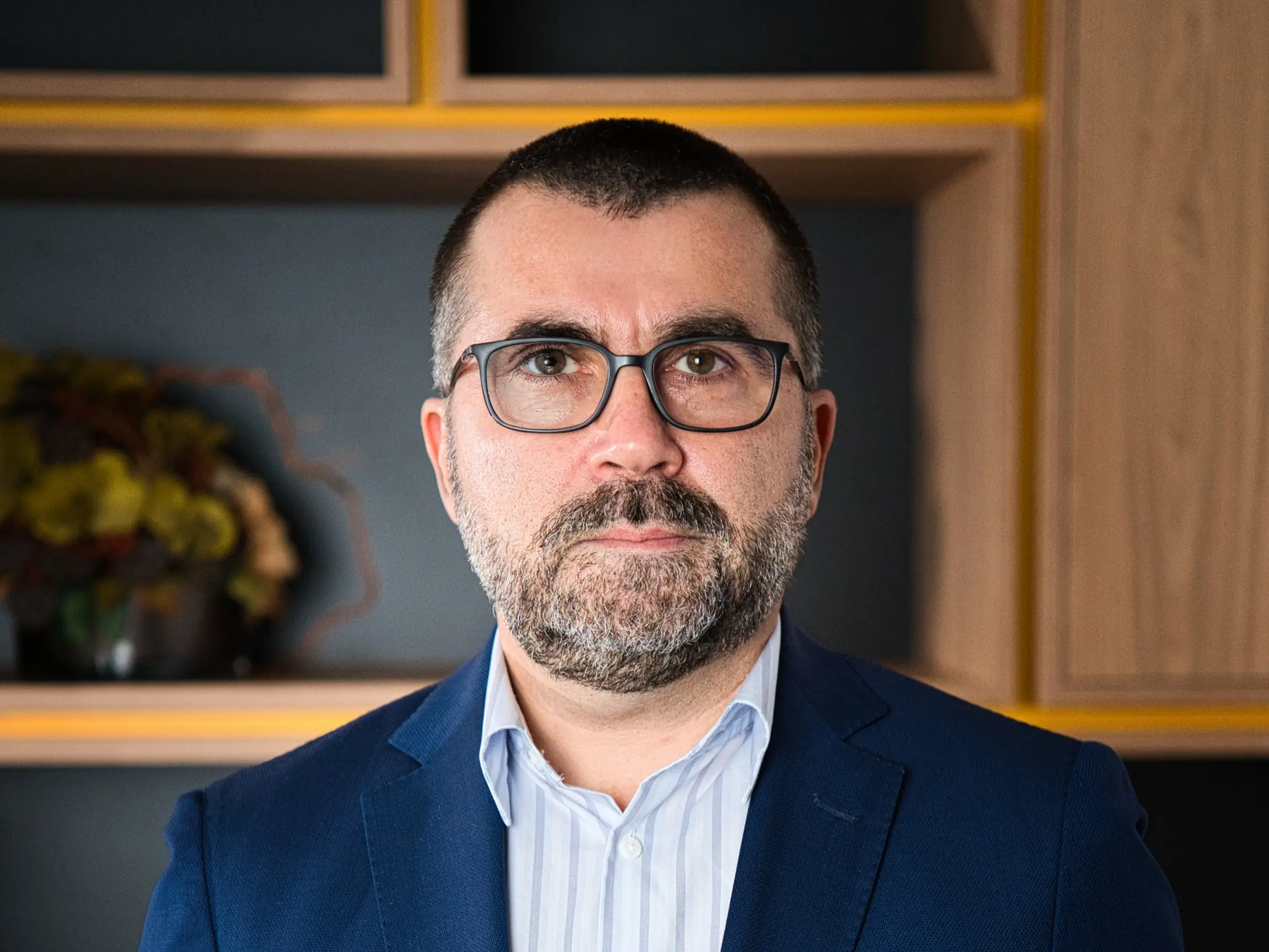
Bogdan Pleșuvescu, BT: Romania is not short of capital, but it lacks policy coherence
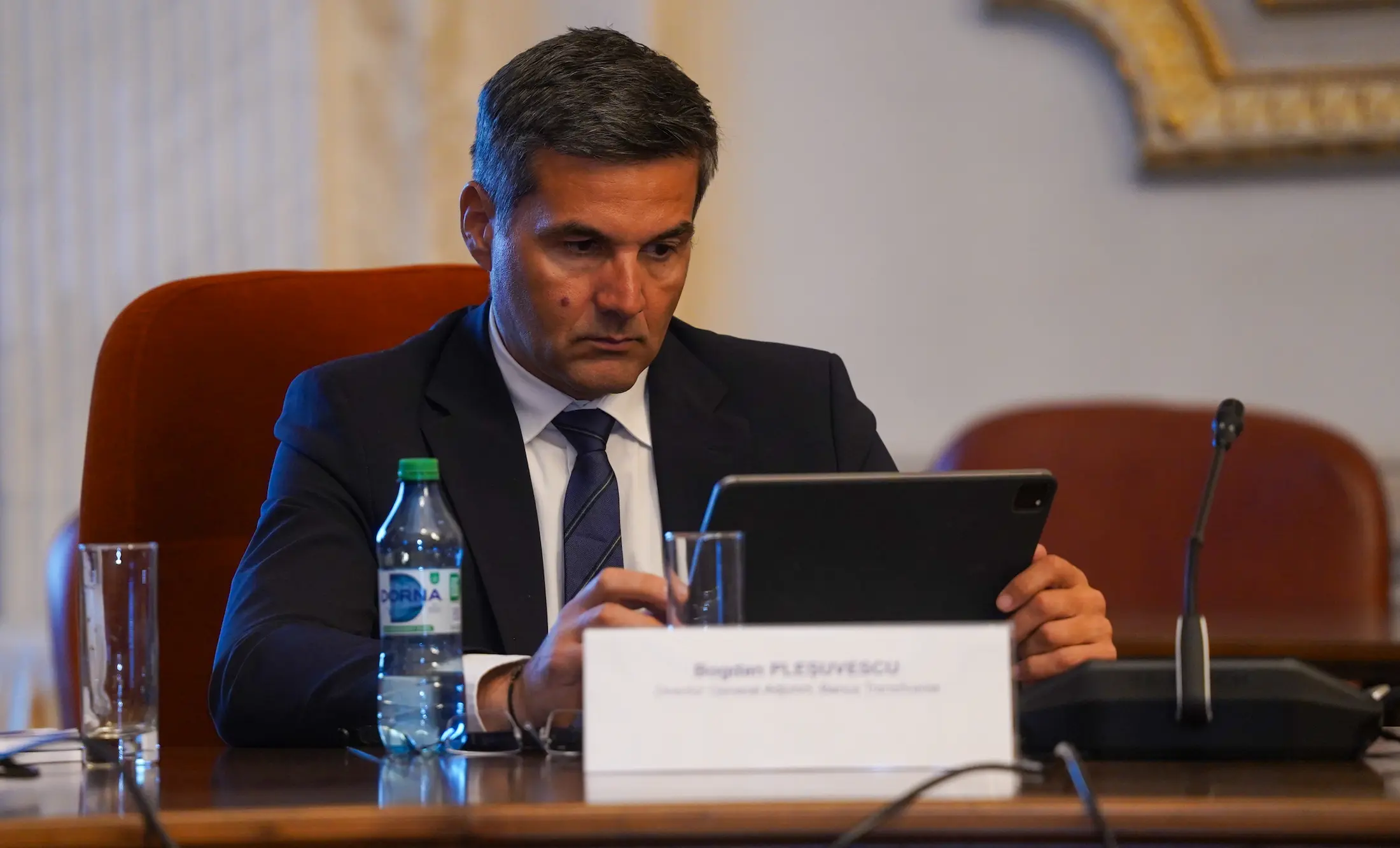
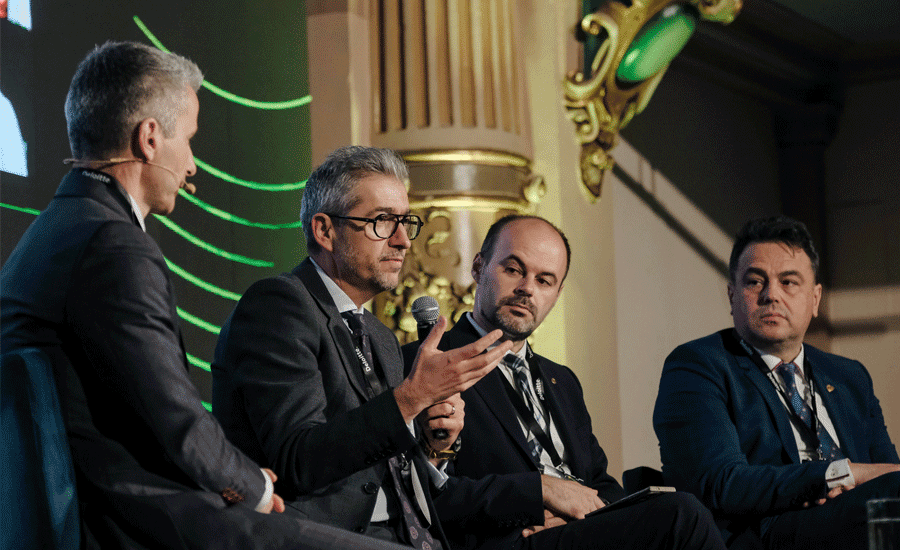
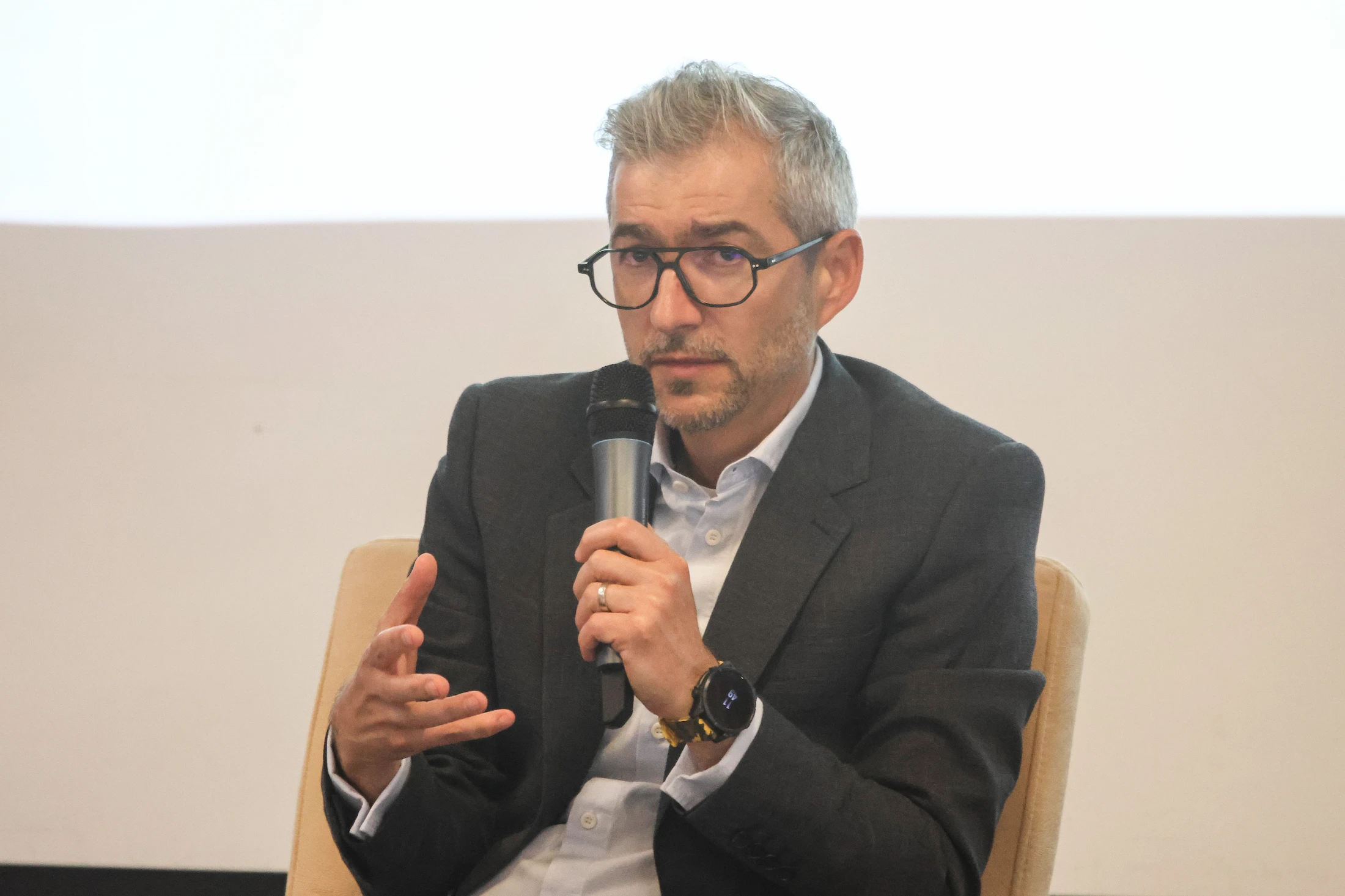
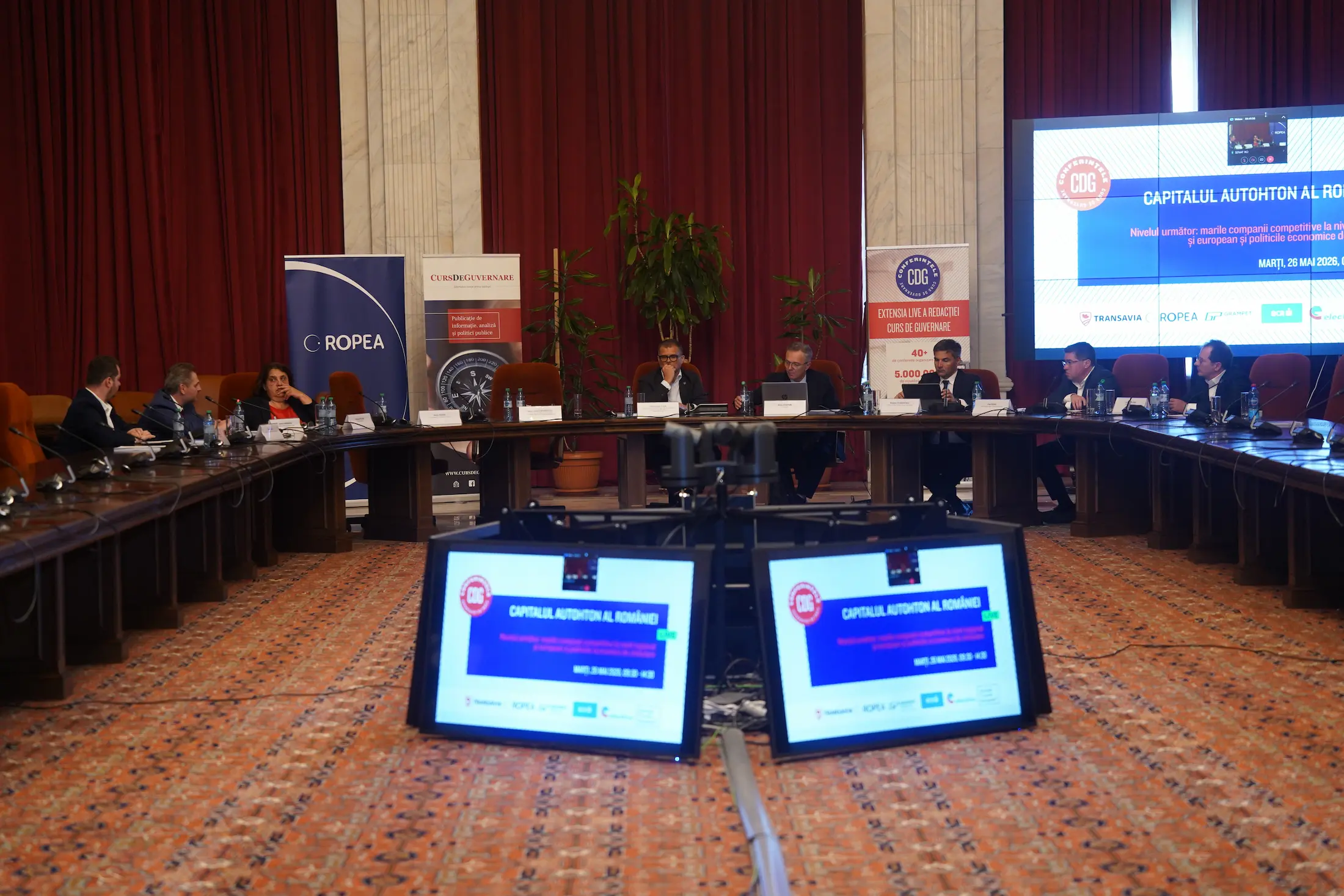
Bogdan Pleșuvescu, Deputy CEO of Banca Transilvania, took part in the conference “Romania’s domestic capital — the next level: major companies competitive at regional and European level and economic policies to support them”, organized by Curs de Guvernare, where he made the following remarks:
Regional expansion of Romanian businesses:
- Romania is not short of domestic capital — or capital in general. Romania has a problem with economic coherence. We need to put this on the table, otherwise we risk always discussing symptoms and not causes.
- When we talk about regional champions or regional expansion, you need a system behind you that helps. And I don’t mean just the banking system, but a whole ecosystem, set up by policymakers, to help Romanian investments scale up.
- That is ultimately the point: scaling Romanian investments. Once you’ve become a champion at home, to expand, broaden your client base and grow turnover, you need support from the authorities.
- We can see this works in countries like Poland, Hungary or Germany — there are always government projects that help local companies expand abroad. We currently have a lot of know-how and a strong drive to execute, but we lose momentum in execution.
- Execution takes a long time. We have plans and strategies, we pay consultants to map out roadmaps and timelines, but when it comes to implementation — to executing and delivering — we face a serious lack of coherence and interest, especially when governments change.
The banking sector’s role in financing projects:
- The question is what the banking system and domestic capital should do now to finance development, not just to offset potential imbalances in Romania’s economy. If we look at financial intermediation, in Romania we are somewhere around 50% of GDP, while in Europe financial intermediation is over 100%.
- If we look at banks’ lending to the non-government sector, it is around 24% of GDP, whereas the European average is 90%. So we need to identify projects that allow banks and other domestic-capital providers to finance them, so that a higher degree of financial intermediation translates into investment for development — scaling those businesses both at home and abroad.
- Right now, banks’ main difficulty is identifying such projects in a form they can finance. Unlike other financiers, banks operate under a well-regulated framework for assessing risk and a company’s financials, reviewing business plans, running stress tests and allocating capital or funds only to projects they deem viable.
What an ideal company for financing that plans to expand regionally looks like:
- An ideal candidate for financing is a company that has already proven in Romania that it performs strongly in its segment. You can’t obtain financing in Romania for expansion if you don’t have something solid, well executed and implemented at home.
- Next, you need a robust, transparent corporate governance framework with a clearly defined decision-making process, and a coherent, long-term business plan that includes an investment plan and a clear rationale — whether the investments are horizontal or vertical. What matters is to set out the business case: why you want to make that investment.
- In our portfolio we have clients receiving financing from Banca Transilvania precisely to expand their businesses beyond Romania’s borders — in Italy, Spain, Germany or Hungary. It’s true we’re not yet at the level we see, for example, in Poland, but it’s a step forward, and we believe such cases will multiply as more success stories emerge from Romanian entrepreneurs who want to expand abroad.
Lessons from Banca Transilvania Group’s expansion in the Republic of Moldova:
- The experience of people who go abroad ensures two things. First, when colleagues from Romania move into the business abroad and take part in the acquisition, development and transformation of that company, synergies, transformation and the implementation of projects and organizational culture happen much faster, because there are people who already know the organization at home and can transfer know-how quickly.
- And something even more important, which will become clear over time: those who go abroad and take part in such transformations are, in fact, the foundation for the future expansion of Romanian business, because they acquire knowledge and skills that those who remain in Romania do not have. For the organization, they represent a very strong talent pipeline for future developments. For example, some of the people we invested in in the Republic of Moldova have since moved to Banca Transilvania and will most likely be involved in any future expansions.