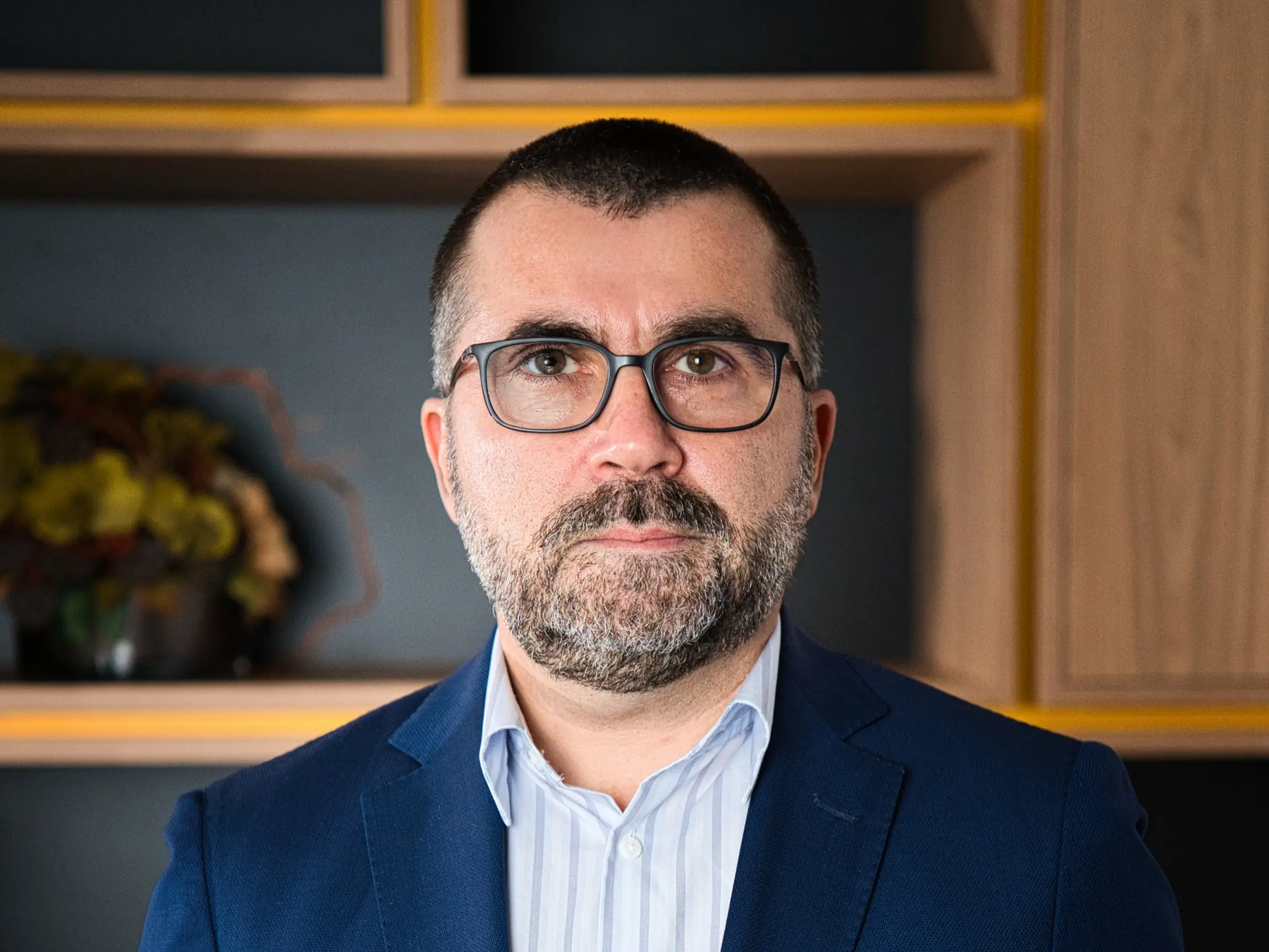
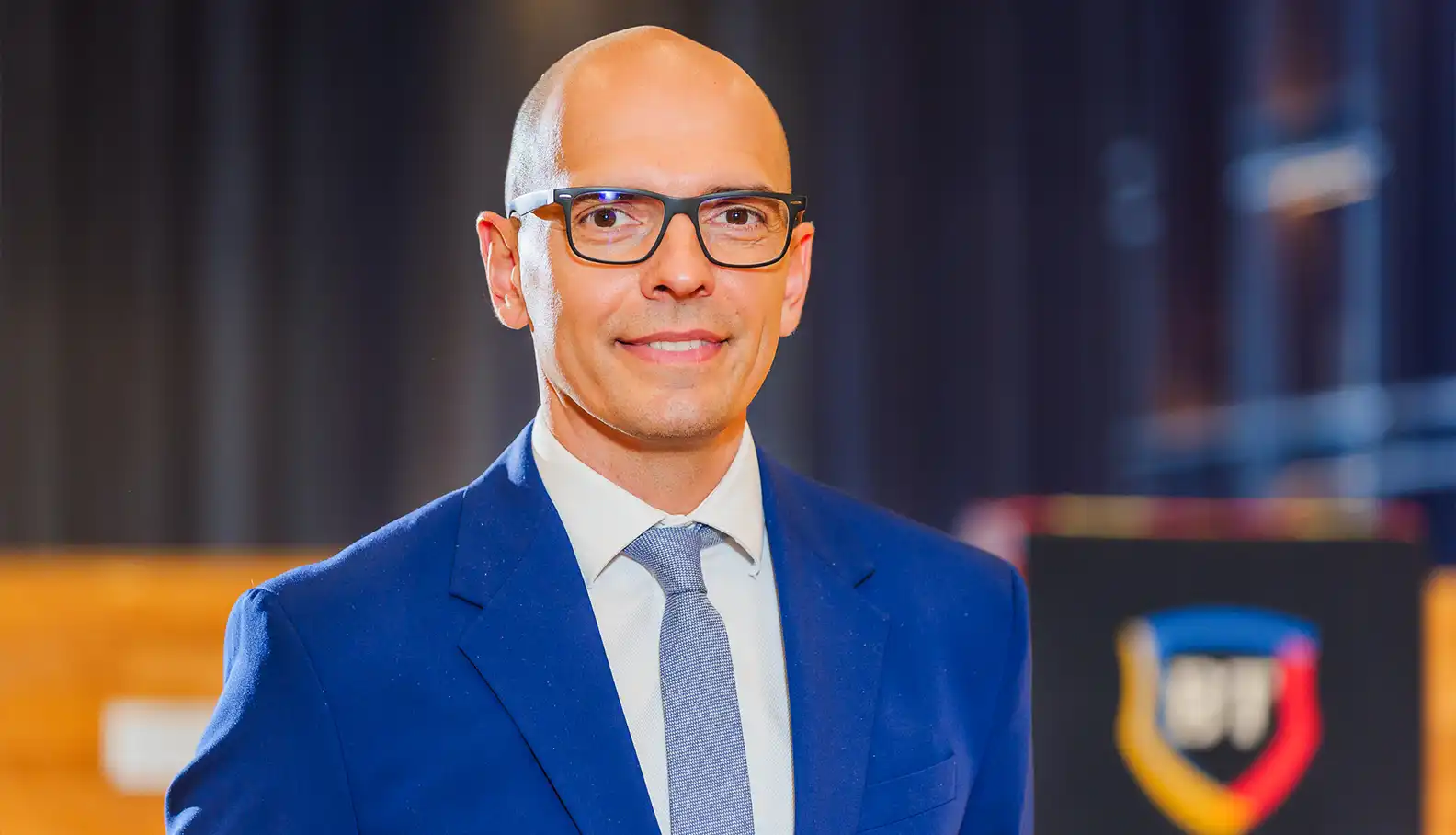
Sergiu Mircea, BT: Sport remains an extremely effective channel for building visibility and driving brand association and favourability
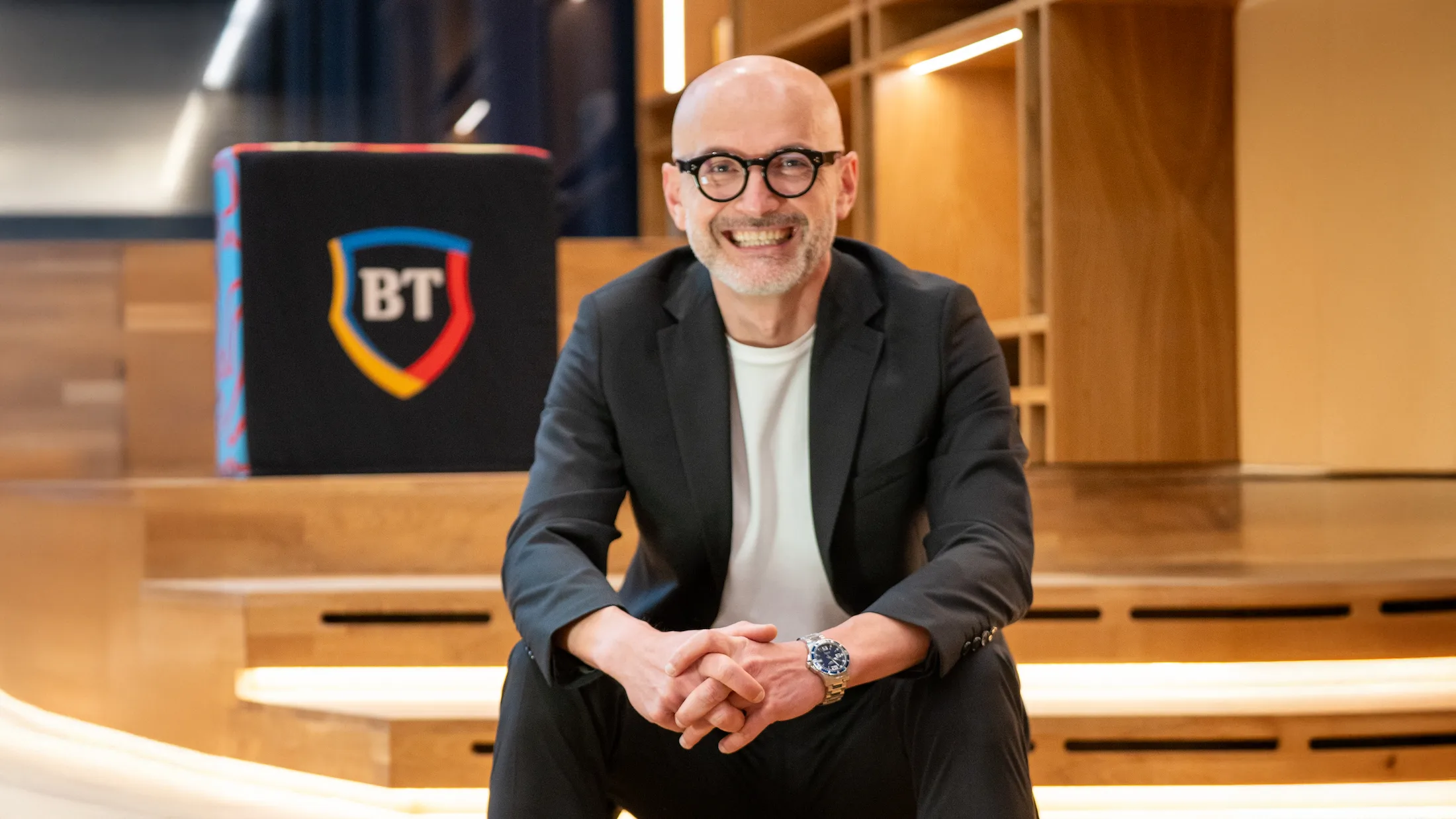
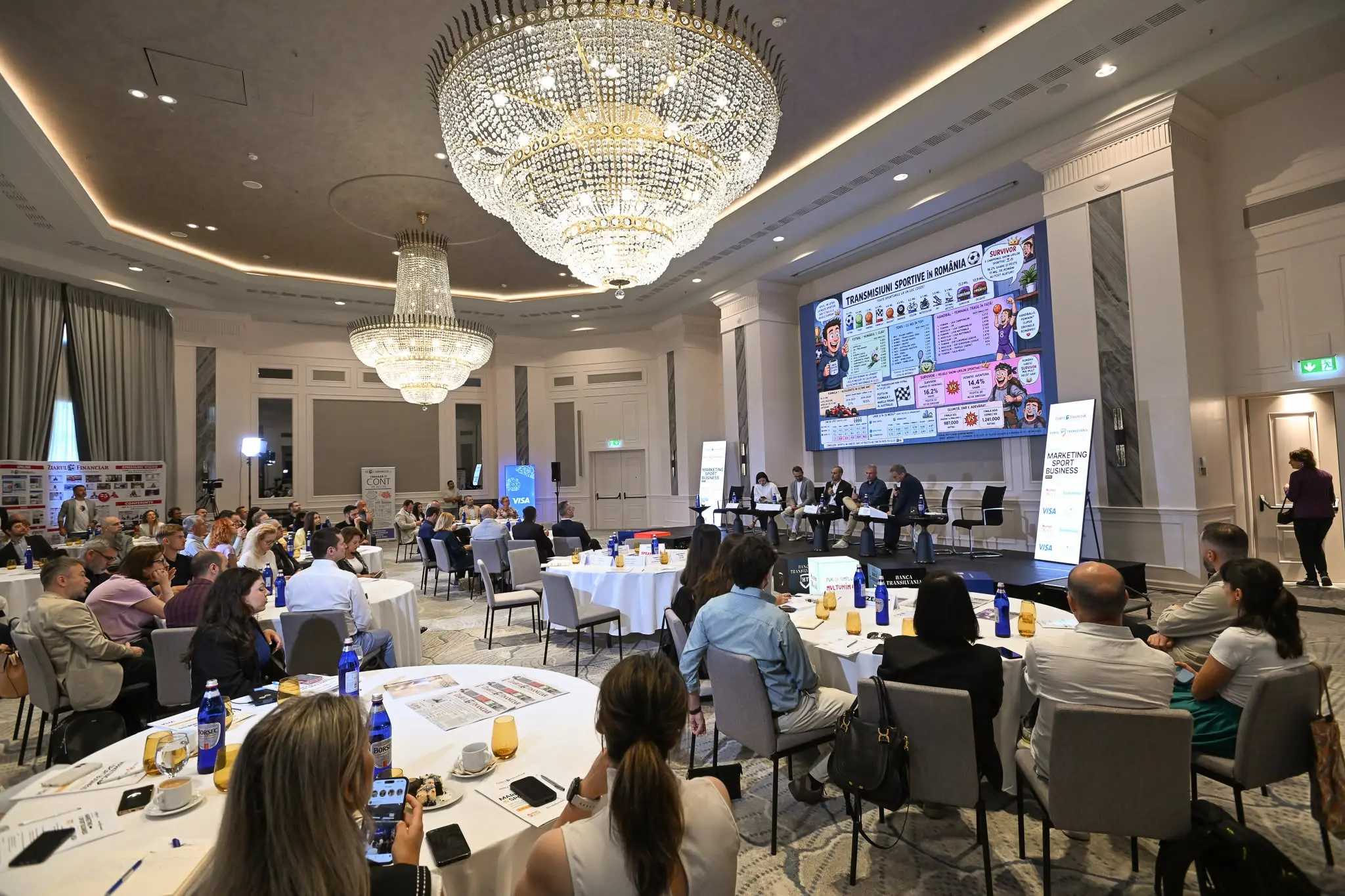
Sergiu Mircea, Executive Director of Marketing, Communications and Customer Experience at Banca Transilvania, made a few remarks about sports marketing at the ZF Marketing & Sport Business Conference:
How, and how much, does Banca Transilvania invest in sports marketing?
- Sports marketing is one of the main pillars of Banca Transilvania’s brand and promotional strategy. We cover virtually all verticals in this space: from teams and athletes who act as our ambassadors, to federations, visibility in competitions or team partnerships. Last year, for example, we also moved into Formula 1. All told, the budget spent across these initiatives comes to around 50 million lei.
- When we assess a sports partnership, we look at several components. Obviously, audience matters — you want partners with strong visibility. But beyond audience, alignment on values matters more, and the ability to get more out of the partnership than just exposure.
- At heart, the entire promotional effort and the bank’s commercial drive come from building a strong brand. We don’t focus exclusively on promoting products; we focus on creating a brand people recognize and love. That’s precisely why this type of brand investment is harder to measure than a strictly product-led one — it’s a long-term investment.
- A key advantage for us is that we already have experience in sports marketing, solid know-how and a large portfolio of partners that we can benchmark and assess continuously. A basic rule is that a significant share of the cost should be covered by the audience you reach, with brand association as an added benefit. To use a simple analogy: if you buy space on a football team’s jersey, ideally the visibility it generates should pay for the investment, while the association with the team is the upside.
What can we learn from the West and from positive examples in Romania?
- Sport is part of a broader industry — entertainment. People go to the stadium to go home happy. In the West, sporting events are turned into extended experiences that last well beyond the two hours of play. Fans arrive hours ahead, spend time there and stay engaged, including on social media.
- We need well-prepared teams who know how to communicate with younger generations and who invest in the fan experience. A relevant example is our involvement in basketball: beyond results, there’s exceptional engagement, standout event production and creative initiatives. For instance, in a game staged on June 1, players wore customized jerseys designed by children, which were later auctioned off. Initiatives like this turn every game into a memorable experience.
On Romania’s potential:
- If I look at the United States, we see athletes who, even though they are just as talented as ours, are groomed from a young age or as soon as they start to show promise, and are built as genuine marketing properties. They speak impeccably, their speeches are well structured, they attend events and inspire companies through motivational talks. It’s a much more visible approach, backed by sizeable investment. In essence, athletes, teams and federations are developed strategically as products that can be leveraged commercially.
- I believe Romania also has many sports brands that could go much further. Of course, it’s not easy, because we’re still talking about a smaller market with more limited financial resources than other regions. Even so, we have truly remarkable brands. I won’t single out just one name, but I can give a few examples: Universitatea Cluj, Universitatea Craiova — I saw extraordinary energy at their games this year. Rapid is another brand that generates very strong engagement, and when we talk about athletes, the Simona Halep and Gheorghe Hagi brands are truly impressive.
- I think there is a great deal of potential. I would encourage companies to look more closely in this direction, because sport remains an extremely effective channel for building visibility, but also for generating association and favorability for brands.