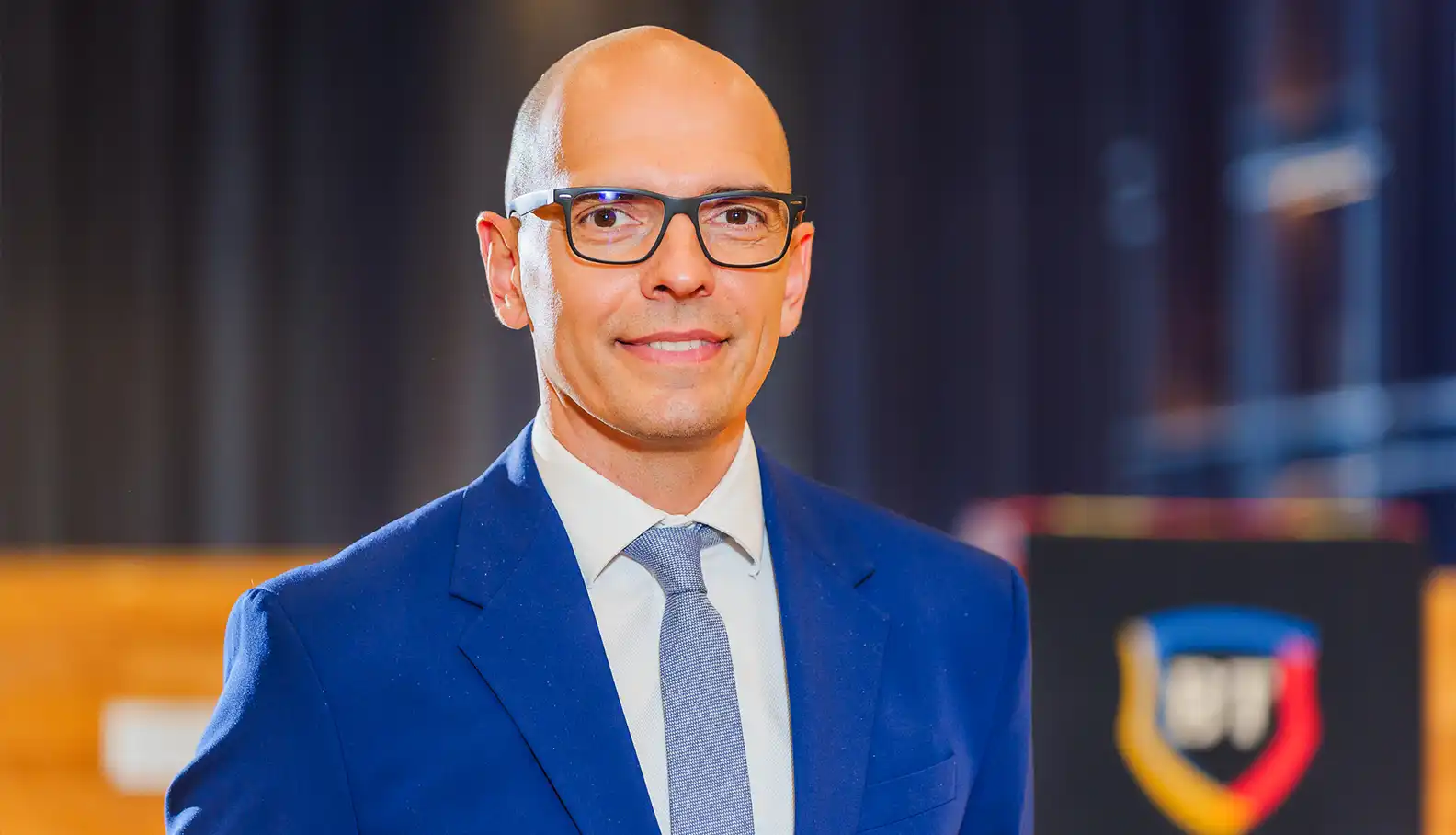
Skills&Education – the program for entrepreneurs in the education sector
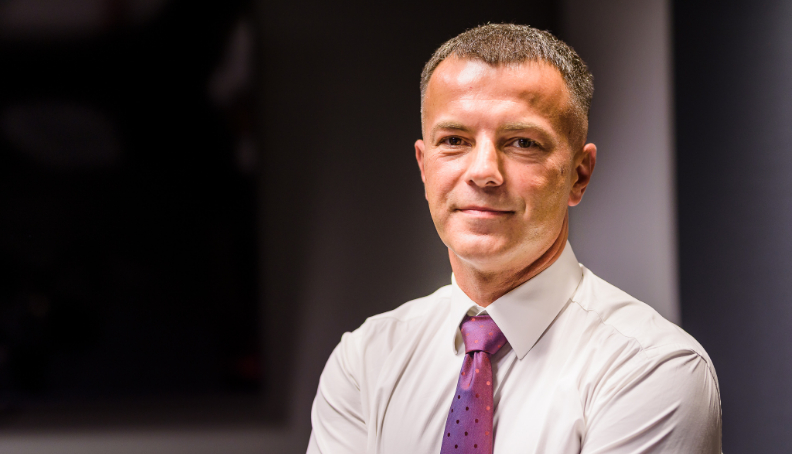
Daniel Szekely, Executive Director, SMEs and Microbusiness, explains the advantages of Skills&Education — the only lending program for education businesses with an external EIF guarantee.
This is the first article in the editorial project Giving Credit to Education, produced by Republica.ro and supported by BT. Over the course of this year, we will share the stories of entrepreneurs bold enough to invest in education. Keep an eye on Republica.ro to learn what led these entrepreneurs to invest in education and what challenges they have had to face in this sector. Enjoy 😊!
...
Education, in all its forms, is an investment, not an expense. From the family level to society at large, we should all be aware that virtually every resource allocated to this field generates added value that flows back to the individual and to the community.
A better-trained citizen will find a well-paid job faster. They will be less dependent on social systems and state support, will have the tools of critical thinking to make informed decisions, will show more entrepreneurial and investment initiative at their career peak and — not least — will enjoy a higher standard of living after retiring from work.
That is precisely why early education and lifelong learning are encouraged in countries with strong economies and long-standing democracies.
Romania is a special case in the region and on the continent, because school attendance is uneven, a patchwork in which all situations are found: we have a school dropout rate of over 20%, but we also have teams of medal-winning students whose achievements are undeniable, with outstanding results at top international competitions.
We record a functional illiteracy rate estimated at 40% nationwide, while over 10,000 young people leave each year the schools that prepared them to pursue studies in other countries. The level of knowledge acquired here, in Romania, is enviable.
It is estimated that around a third of 12th-grade graduates do not pass the baccalaureate exam, yet there are high schools that, year after year, turn out cohorts of future creative, talented software developers who are highly sought after by Romanian and foreign companies, recruited as early as their high school years.
To have a high-performing education system, well distributed nationwide, we need involvement at every level of society, government and legislative measures, and investment from both the state and the private sector.
Positive change often starts with specific private projects. Over the past decades, entrepreneurial initiatives in education have multiplied and offer the alternative many parents are looking for. In most major cities in the country today there are numerous private nurseries and kindergartens, as well as private schools and high schools. And the number of these institutions will continue to grow, because such initiatives meet increasingly evident needs: schedules that allow parents to work an eight-hour day; methods focused on developing skills rather than training memory alone; competency-based approaches and the nurturing of advanced abilities or adaptations to some children’s special needs; coherent strategies to prevent bullying; programs that encourage collaboration rather than competition among learners; and so on.
Private initiatives can become a model and a source of best practices for system-wide change
Beyond the vision and educational objectives, any private kindergarten, school or learning center is a business that has to perform financially.
Entrepreneurial initiatives in education, with few exceptions, follow the basic rules of the private business environment. Looked at pragmatically, they need to be businesses that generate added value — rewarded in turn through dividends (or an increase in market value) for entrepreneurs and through salaries for employees. What is clear is that these are businesses which, in certain situations, need working capital support and investment. The core needs of an initiative in education increase as you move from nurseries to kindergartens and then to elementary school, high school, university.
At the same time, many schools and kindergartens have proven their entrepreneurial merit by growing year after year. The rise in parents’ incomes has helped a great deal, with more of them choosing private education. But competition has also emerged in this space — it is sharp, and it forces differentiation, greater efficiency, raises service quality and has an impact on pricing, explains Daniel Szekely — Executive Director, SMEs and Microbusiness at Banca Transilvania.
BT backs entrepreneurship in education
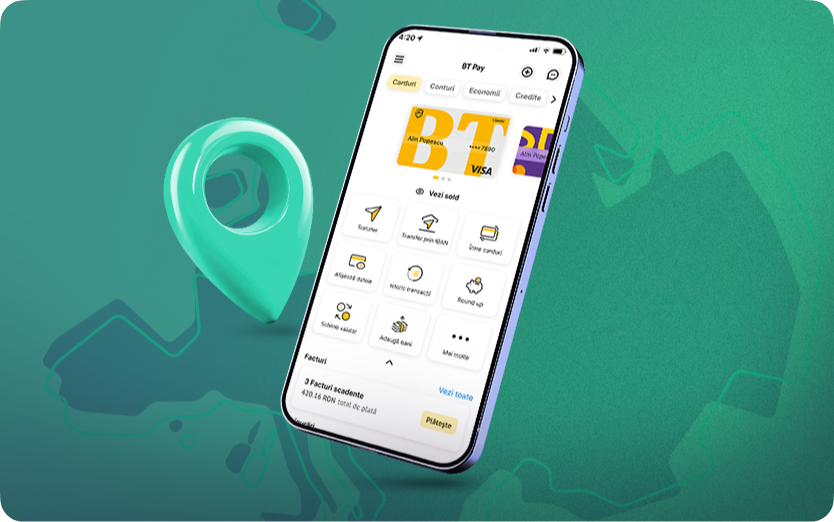
Banca Transilvania and the European Investment Fund (EIF) support education businesses through Skills & Education, the only lending program for education businesses backed by an external EIF guarantee.
The program is available to kindergartens, schools, universities, online platforms and even companies that invest in employee training. The company must be registered and operate in Romania, have fewer than 500 employees and have no debts to the state budget.
Product features:
- financing in lei or euro (loans of up to 9.7 million lei or 2 million euro);
- 80% of the loan is guaranteed by the EIF, which means zero collateral for credit lines;
- a credit line can be granted for 24 months, with the option to extend up to 8 years from contract signing.
We all know that by supporting education, we support society’s long-term development. For BT, supporting Romanian entrepreneurship is probably the most important objective. For Romania, supporting education is strategic, especially given how the labor market is evolving and the impact of automation and digitalization. We all want that when our children grow up, they reach a level of knowledge similar to that in countries that made education a strategic priority before we did. We want them to be able to study at home, in Romania, at standards comparable to those in countries where the private sector has been around for hundreds of years.
We hope to support as many education businesses as possible and, together, to understand the new long-term priorities and trends — the future skills our children, and companies’ employees, will need — because today’s global economy is moving fast, bringing daily change and new challenges. By supporting education and investments in new skills for company employees, the program gives Banca Transilvania a new opportunity to contribute to the sustainable development of education and, by extension, society, added Daniel Szekely — Executive Director, SMEs and Microbusiness.