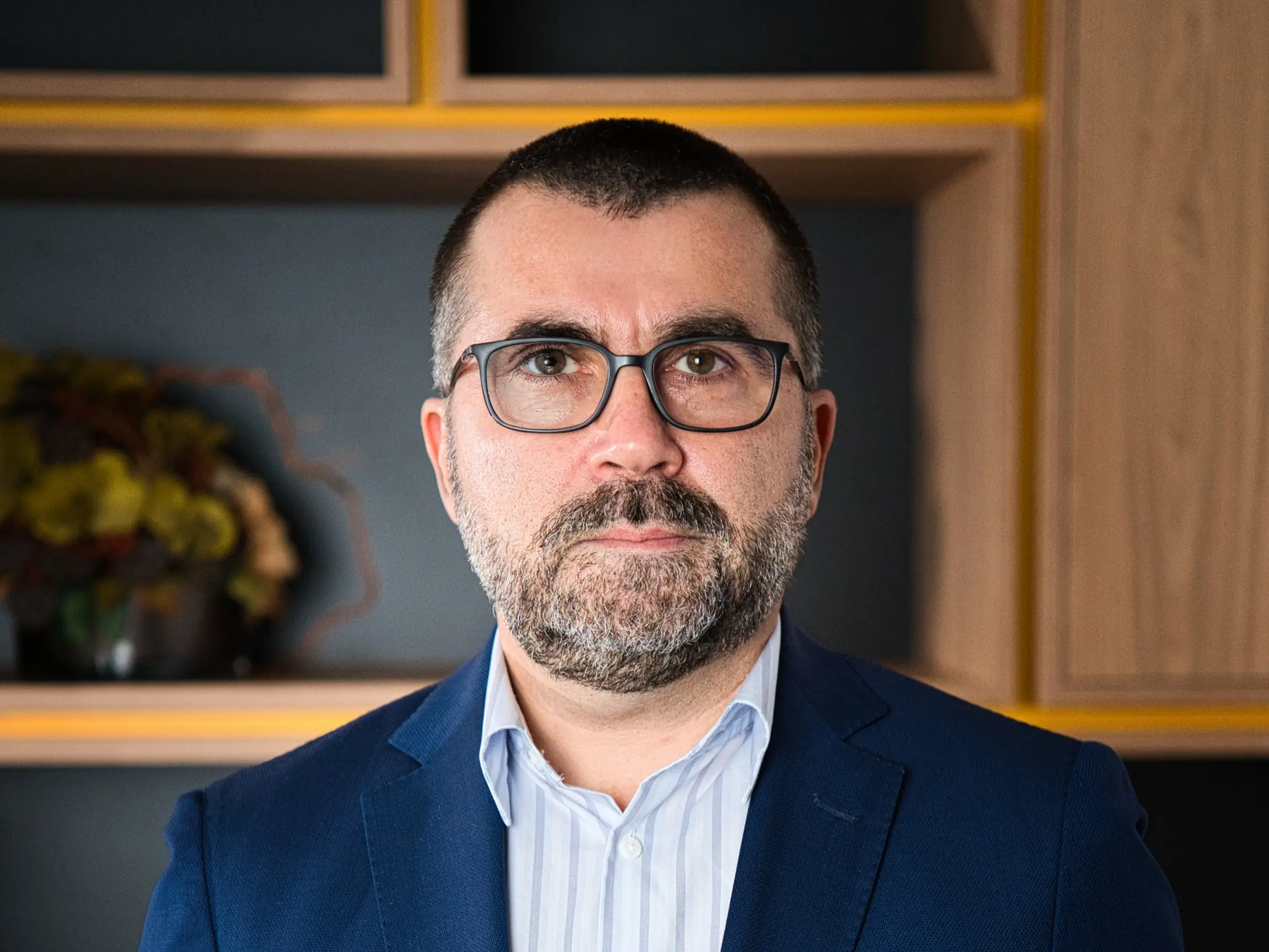
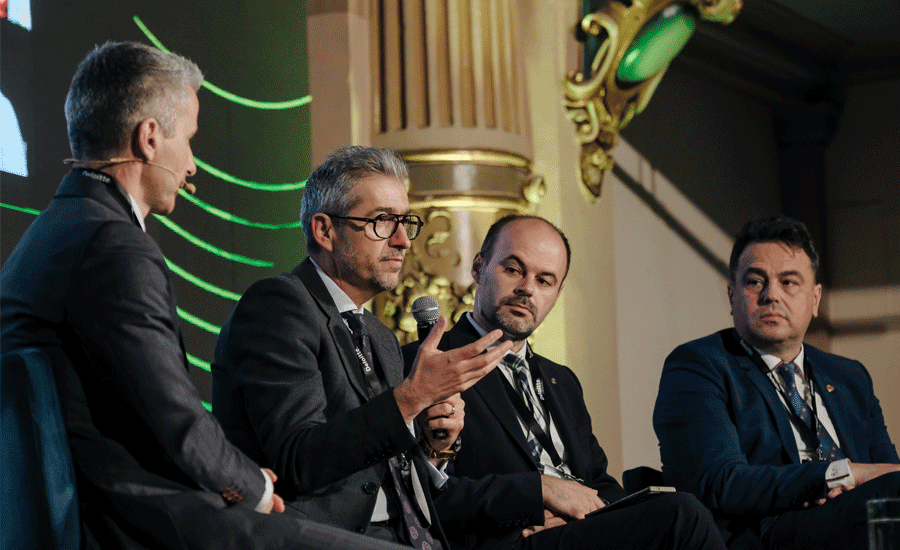
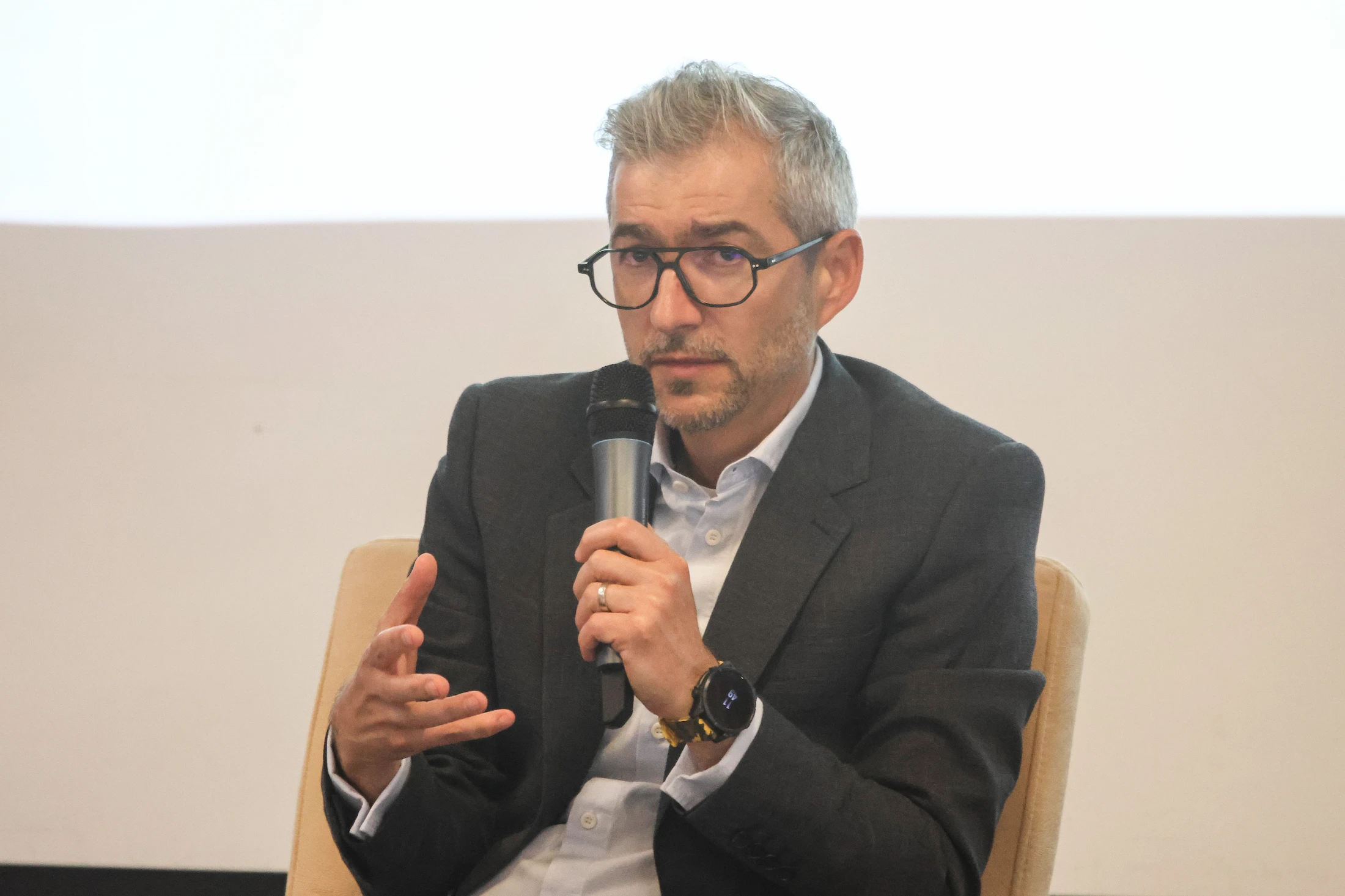
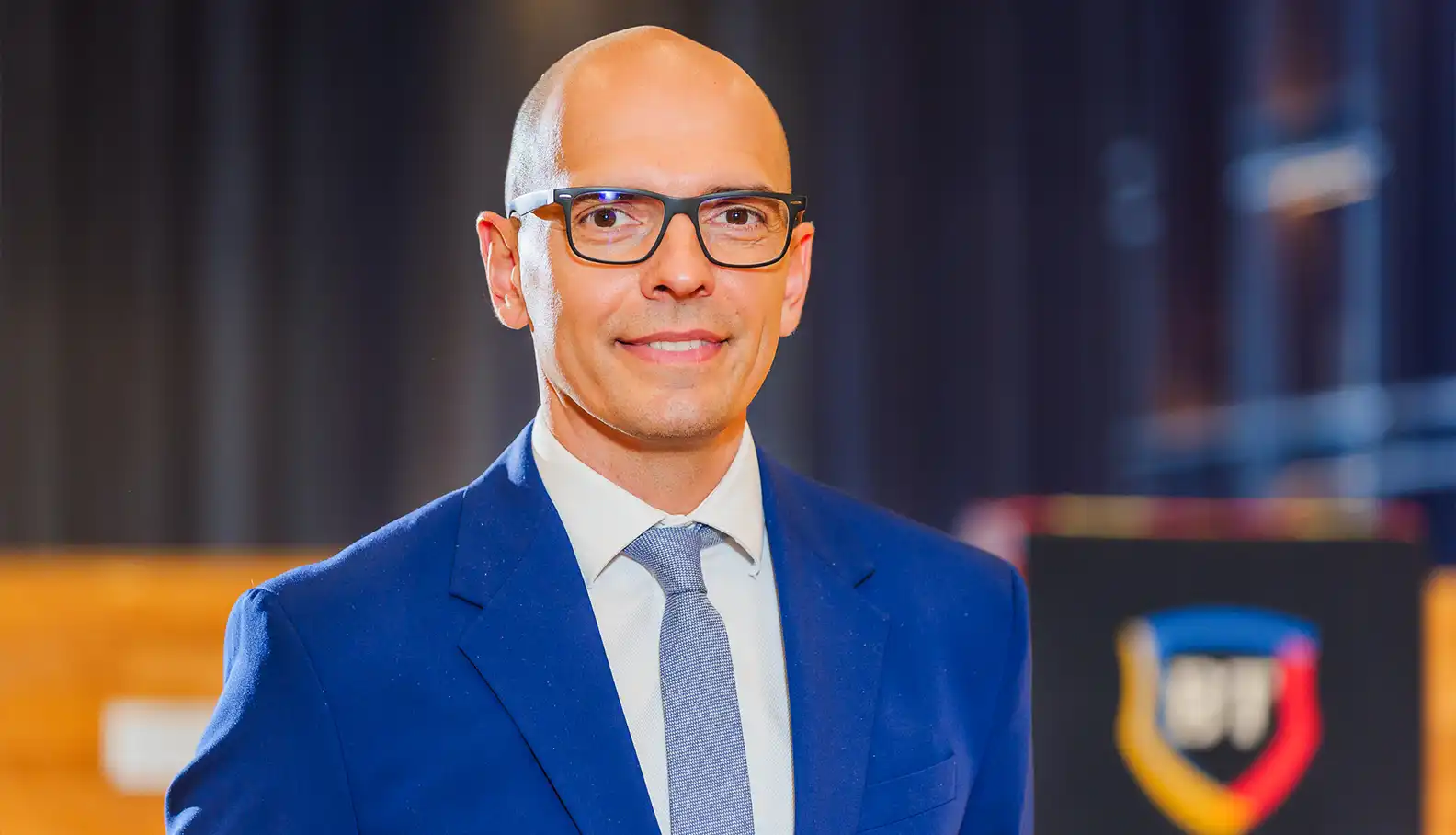
Aurel Bernat (BT), Daniela Secară (BT Capital Partners) and Dan Dascăl (BT Asset Management), at ZF Capital Market
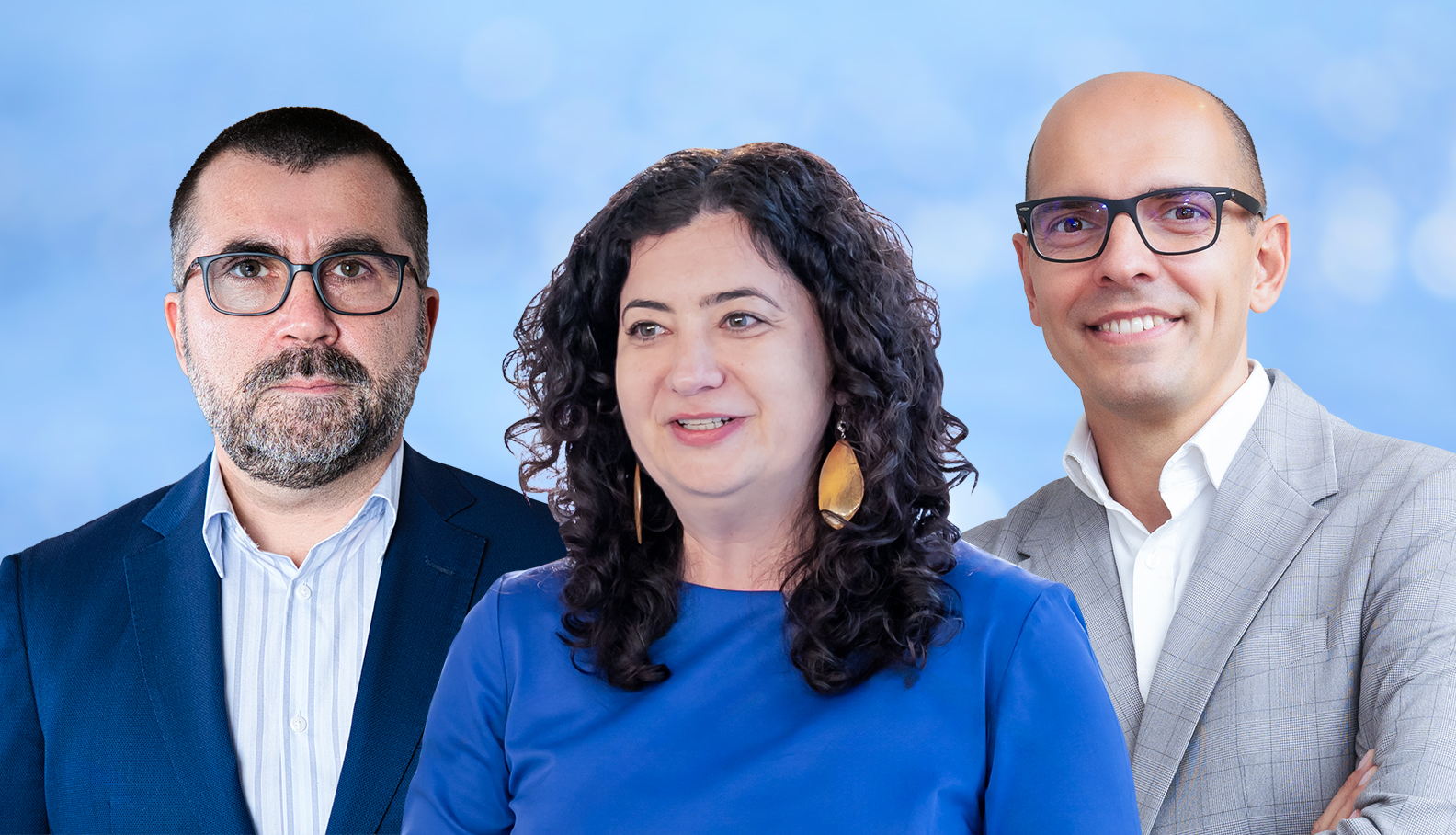
At the fifth edition of the ZF Capital Market Summit, organized by Ziarul Financiar, the Banca Transilvania Financial Group had three representatives at the event.
Growth prospects for the BET index were analyzed by Aurel Bernat, Executive Director, Financial Institutions & Investor Relations, Banca Transilvania. Fidelis government bonds and the profile of the investors who fund the Romanian state were examined by Daniela Secară, CEO BT Capital Partners, while Dan Dascăl, CEO BT Asset Management, offered a broader perspective on the markets.
Aurel Bernat
Executive Director, Financial Institutions & Investor Relations, Banca Transilvania
- If we look at the local market, I’d say it’s attractive. Across the region, we’re at around a P/E multiple of 9 and, compared with the Czech Republic and other countries in our area, you see double-digit levels. From this point of view, Romania’s market is attractive, all the more so given its exposure to the banking sector — which, if the country is heading in the right direction, is the best investment proxy you can have — as well as to energy and utilities. In short, looking at Romania: if we manage to remain predictable politically and build a country brand — in terms of the listed companies and the public messaging to international institutional investors — we have a clear chance to develop further.
- For years we talked about investments and investors, but it was institution to institution. Globally, we’re now seeing the recurring retail investor show their true value, because those who invest regularly also provide investment firepower for institutional investors such as mutual funds. Today, if we look at the local market, mutual funds are a competitor to pension funds, which traditionally were the buyers. We have two types of investors: some invest with capital that’s been allocated behind them, and others invest money that’s flowing in thanks to the trust of small retail investors in these products.
- Over the last six years we’ve had every possible kind of irrationality — from COVID to wars. Even so, the market seems to have held up very well, likely because it’s the most liquid. There’s a sense now that we’re no longer in the Too big to fail scenario, but Very big to succeed. The better positioned you are in the market, the more share you can capture and the more long-term stability you build — and that, in turn, earns investors’ trust.
- We are investor, issuer and intermediary. We believed in the capital market from the moment we listed, and still do. We can share our issuer-side best practices with smaller players who want to list or issue bonds.
- In pensions and mutual funds we’re seeing very high adoption, especially thanks to digital systems — that "one click away" is essential for retail clients — and this is adding up to hundreds of thousands of clients each year.
- The biggest risk is the risk of not having courage. The second is the risk of talking our country down. Right now, when the Middle East is troubled, it’s actually the easiest time to bring in investors, because we become a haven of calm in Eastern Europe. If we solve the first two, then what’s left are the global geopolitical context and domestic stability. But above all, let’s not forget rule number one: be bold.
Daniela Secară
CEO BT Capital Partners
- Many times, Fidelis is the first interaction with the capital market for a great many investors, but over time we see about 10% of Fidelis investors also looking at and investing in ETFs or in public offerings.
- An encouraging trend we’ve seen in recent years is that Fidelis investors are gradually converting to the equities market as well. We don’t see them going into high-risk stocks.
- The largest share of Fidelis investors are over 50, with the next segment between 45 and 50. We do see the other age brackets growing too, but still quite limited.
- It depends a lot on how markets are doing, but young investors focus mainly on trading international markets. It’s about the names they hear. These are products they use, and many investment decisions come from the desire to buy shares in the companies or products they use.
- In the end, a Fidelis investment can be the part of a young person’s money that’s allocated — that is, a percentage of the portfolio invested — in a very low-risk asset.
- We have to bear in mind that we started Fidelis with 2 issues, then moved to 4–6 issues a year, and now we have a Fidelis issue every month. Whether investors are tired or not, we’ll see at the end of the year, when the amounts raised will be available.
Dan Dascăl
CEO BT Asset Management
- Pension funds see sizable inflows every month and therefore need places to put that capital to work; that is another solid reason for more companies to list on the stock exchange.
- We in Romania’s mutual fund industry are also seeing growing inflows into local equity funds. It’s very easy today to invest in an equity fund, and of course we want as many options as possible to diversify those investments.
- To see more companies listed on the Bucharest Stock Exchange, first and foremost it takes a combination of factors: (1) interest on the part of potential issuers, (2) brokers’ willingness to explain to companies the benefits of listing, and (3) the authorities’ desire to list state-owned companies.
- In recent years we’ve seen changes in investor behaviour, not only in Romania but worldwide. The role retail investors play, through their cumulative investments, in how markets evolve has started to weigh much more heavily — both directly and indirectly.
- The economic slowdown was due in part to lower consumption, which is not such a bad thing because it helped rebalance Romania’s economy — something that is supportive for government bond pricing.
- By nature I’m an optimist, and in the end our industry runs on optimism. The entire financial system is built on investor trust. People entrust us with their money to manage because they trust us. Even though Romania has had three periods of major volatility in recent years, overall returns from investing in equity markets have been very good. And even if such periods do occur, ultimately the growth trend for economies will remain upward.