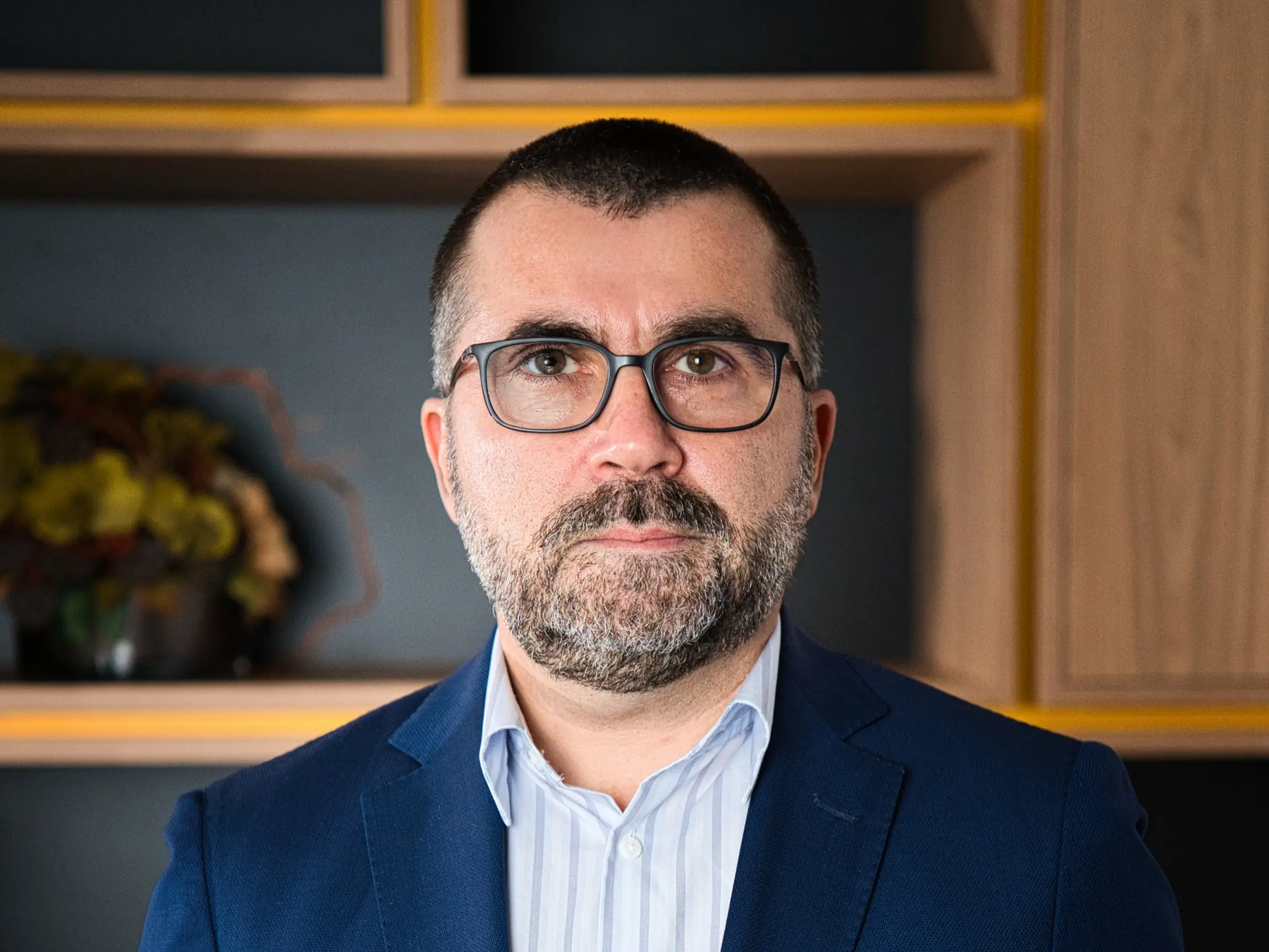
Dan Dascăl, CEO, BT Asset Management: A culture of monthly investing is beginning to take hold in Romania too
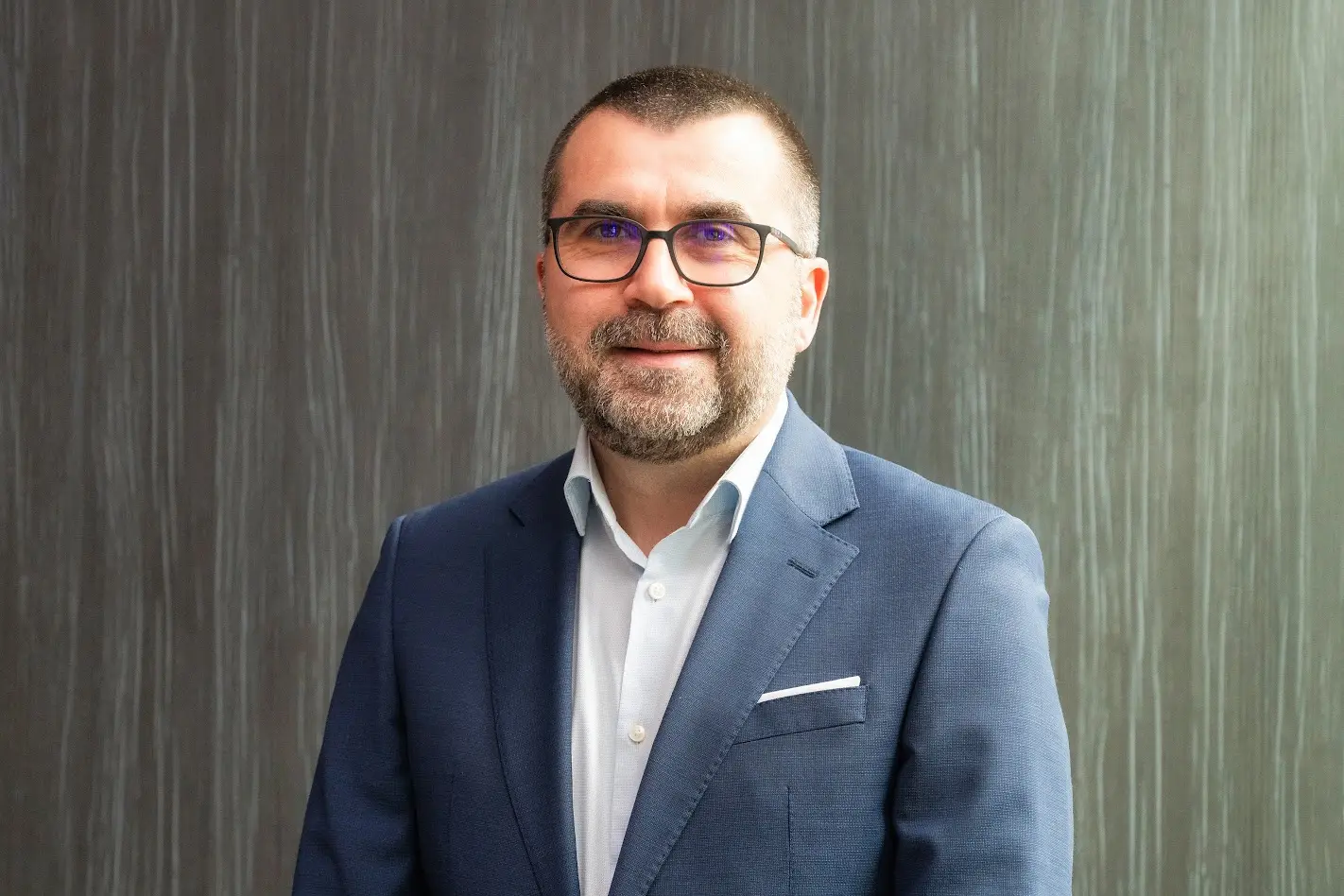
Investment success does not depend on timing the perfect entry into the market, but on consistency, discipline and maintaining a long-term perspective, says Dan Dascăl, CEO BT Asset Management, in an interview with Financial Intelligence about Romania’s investment funds market and the maturing of the Romanian investor.
Romania’s investment funds industry has grown strongly in recent years. What does the market look like in 2026, and what are the main changes you see in Romanian investors’ behavior?
Romania’s investment funds market is going through one of the best periods in its history. Industry assets under management have passed the 70 billion lei mark, reaching around 77 billion lei by mid-2026, and the number of investors continues to grow at a rapid pace.
I believe the most important shift is not the size of the market, but the maturing of the Romanian investor. A few years ago, interest focused mainly on money market and bond funds; today, we see growing interest in equity and multi-asset funds. This trajectory shows that investors have become more familiar with different asset classes, the returns they can generate and the associated risks.
We see a clearer tilt toward long-term investing, a better grasp of risk–return trade-offs, and greater interest in diversification. Recurring investments into funds have played an important role in this process; this is a very popular product among our clients, fostering investment discipline and helping to cushion short-term volatility.
At the same time, digital access to investment products has significantly lowered barriers to entry. More and more investors choose to invest via mobile apps and online platforms, regularly and with relatively small amounts, including into index funds and ETFs. Last but not least, investors are much more comfortable with equity exposure today than they were a few years ago, a clear sign of a maturing local investment market.
After the strong run on the Bucharest Stock Exchange, is there still potential for funds with exposure to Romanian equities? Where do you see opportunities and what are the main risks?
The Romanian market remains attractive over the medium and long term. I believe Romania’s economy continues to offer growth opportunities above the European average, and many listed companies are delivering solid financial results and paying attractive dividends.
At the same time, the Bucharest Stock Exchange benefits from a broader investor base and steadily improving liquidity. We’ve seen equity funds and ETFs among the main beneficiaries of new capital inflows in 2026, as equity indices continued to post very strong performance.
Key risks remain those tied to the geopolitical backdrop, both domestic and international, interest-rate volatility, and possible slowdowns in the global economy. Even so, for investors with a time horizon of at least 5 years, Romanian equities remain an important component of a diversified portfolio.
Interest rates, inflation and government bond yields have reshaped the competition for household savings. How do investment funds compete with bank deposits and government securities?
I don’t see it as direct competition so much as complementarity. Bank deposits and government securities are excellent solutions for liquidity and short-term capital preservation. Investment funds address a different need: growing wealth over the medium and long term.
With inflation eroding purchasing power, investors look for solutions that can deliver positive real returns. Funds provide access to diversified portfolios of bonds, equities and other financial instruments, professionally managed and tailored to different risk profiles.
We see many investors today combining government securities with investment funds, building more balanced portfolios as a result.
More and more Romanians invest directly in equities and ETFs through trading platforms. Why would an investor still choose an actively managed fund, and where can professional management add value?
Easy access to trading platforms is a positive development because it supports the growth of the capital market. That said, direct investing requires time, knowledge and discipline.
Professional management adds value through asset selection, risk management, continuous market monitoring and adjusting portfolios to economic shifts. Investors aren’t just buying a portfolio; they benefit from the experience of a dedicated team that tracks financial markets day in, day out.
In addition, funds offer instant diversification and access to markets or sectors that many individual investors would find harder to reach.
At the same time, we welcome the development of ETFs, including the launch of the first ETF managed by BT Asset Management, as they complement the investment ecosystem and meet different investor needs.
How has the BT Asset Management investor profile changed?
We’re seeing better-informed investors, more familiar with long-term investing and more open to using digital channels. The share of younger investors is also increasing, particularly via mobile apps.
One of the most important developments is the rise of recurring investments. More and more clients choose to invest monthly, automatically, relatively small amounts, gradually building a portfolio. This behavior fosters investment discipline and reduces the impact of short-term volatility.
I believe a culture of long-term monthly investing is starting to take shape in Romania as well. We’re still at the beginning, but easy access through technology and the growing interest of younger generations are very good foundations for this trend to develop.
How do you see the next 12 months for financial markets?
On a 12-month horizon it is difficult to predict financial markets accurately. Experience shows that short-term forecasts can be overtaken by unexpected economic, political or geopolitical events. For this reason, we believe investors should stay focused on their own financial goals and follow their investment plans with discipline.
In equities, valuations are a source of risk, as they are no longer as attractive as in prior years. That doesn’t mean opportunities have disappeared; it means company and sector selection matters more.
As for bonds, they have become attractive again as an asset class after the rise in yields in recent years. Even so, the main source of risk remains inflation and governments’ ability to manage fiscal imbalances. As long as public debt levels remain high in many developed economies, inflation may continue to pose a challenge for investors and for holders of fixed-income instruments.
In this context, we believe diversification remains the best strategy. A balanced portfolio, built through recurring investments and aligned to each investor’s risk profile, offers the best chance of navigating periods of volatility successfully. Our message is that investment success does not depend on spotting the perfect moment to enter the market, but on consistency, discipline and maintaining a long-term perspective. More often than not, patience is an investor’s most valuable asset.