Banca Transilvania representatives’ remarks at ZF Bankers Summit 2026 – Day 2
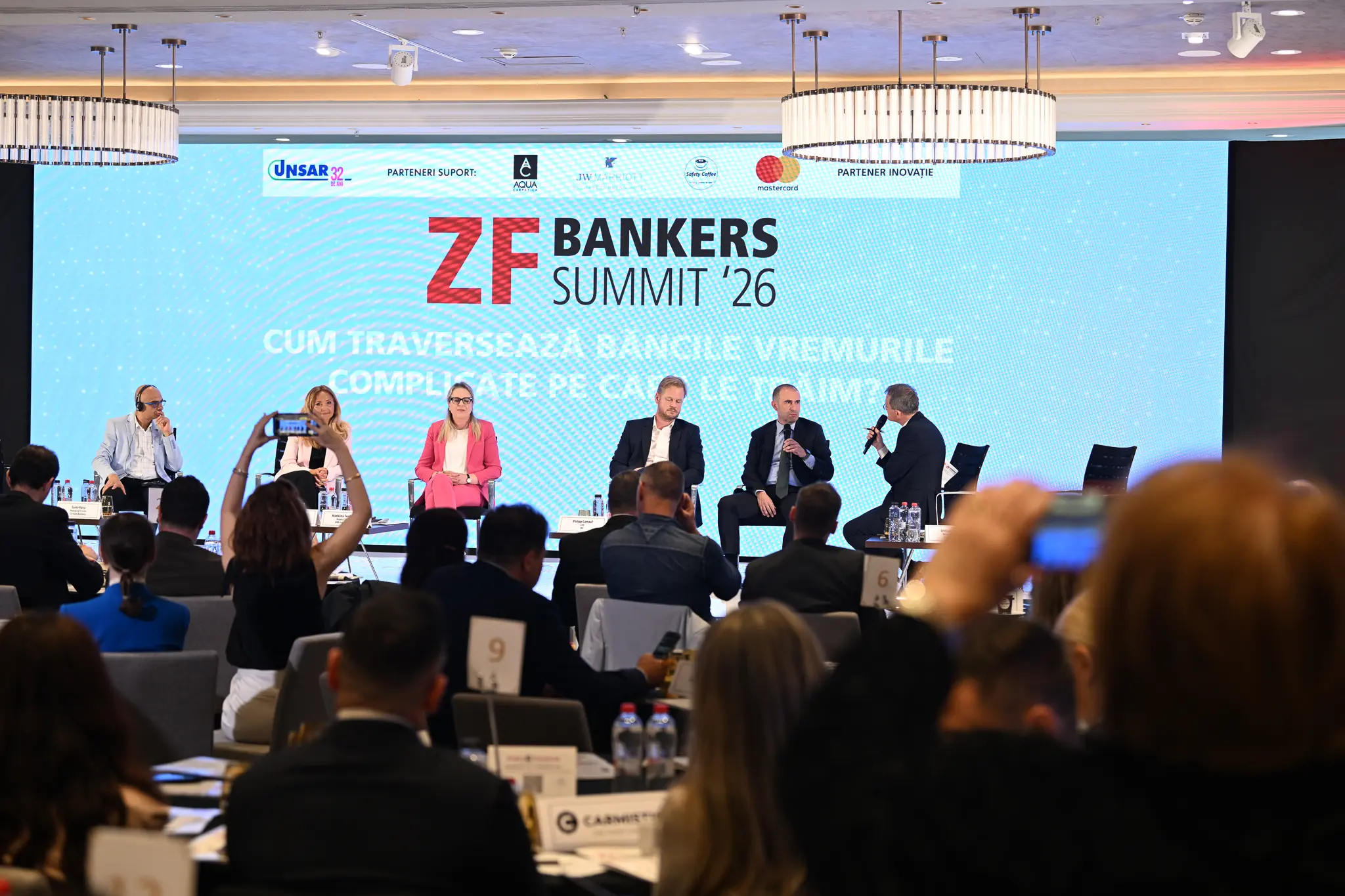
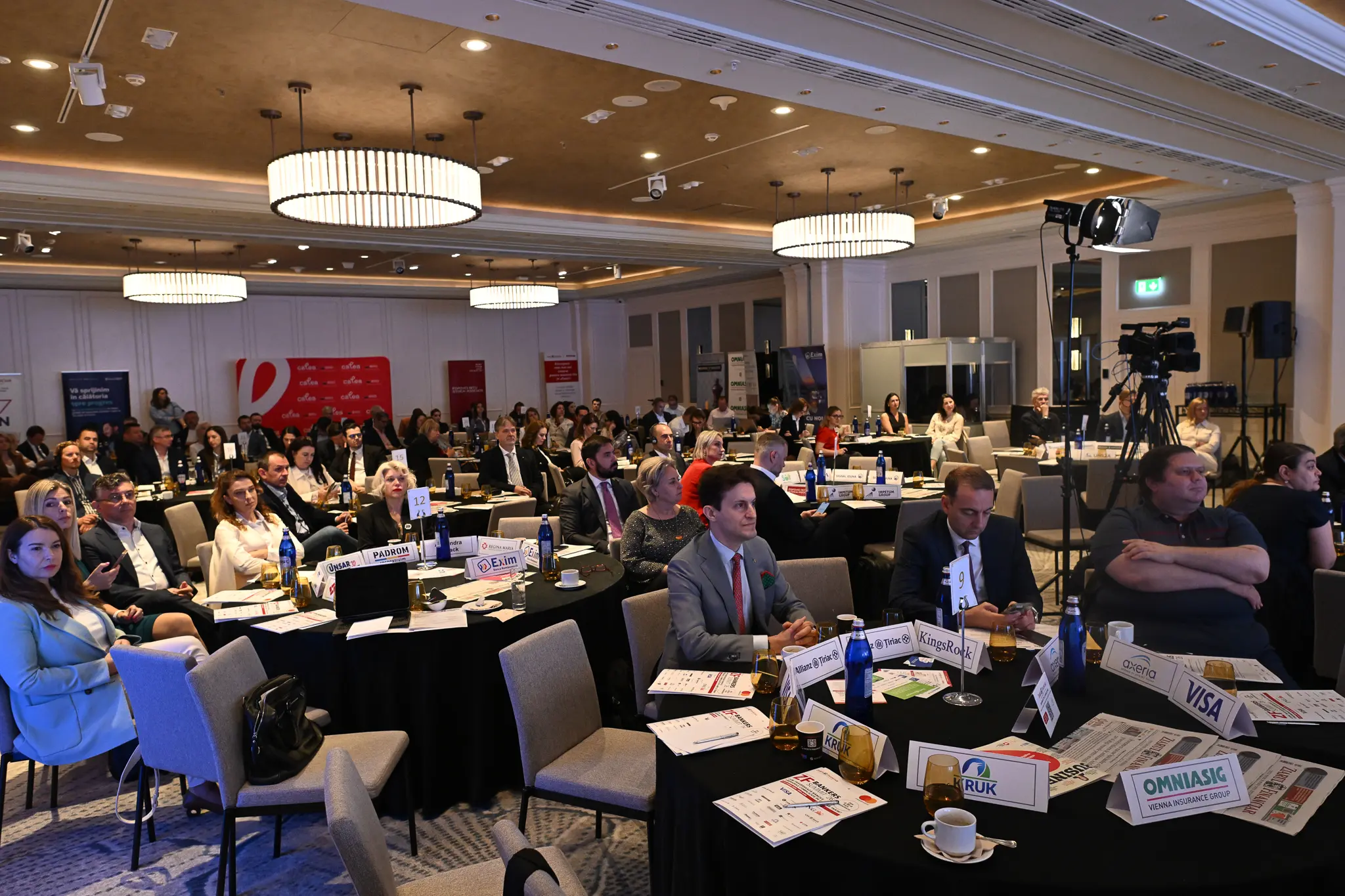
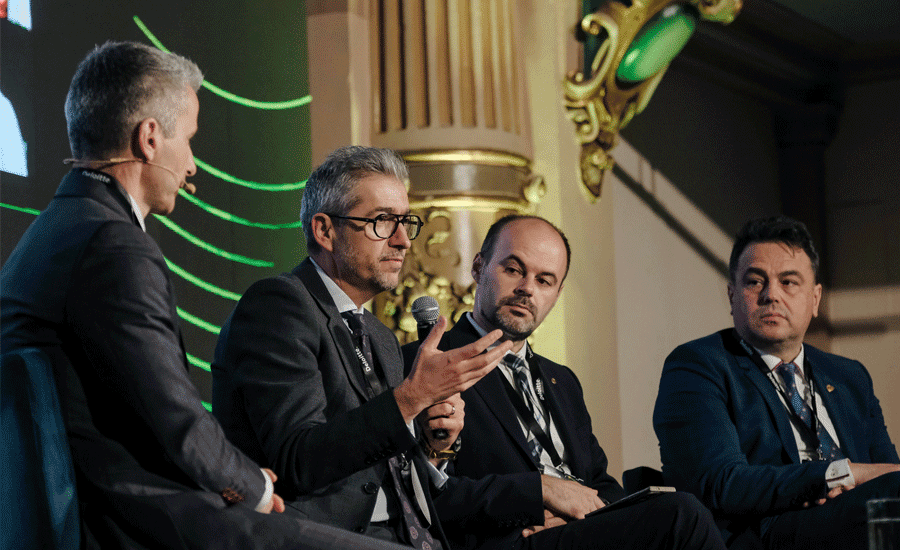
At the ZF Bankers Summit 2026, organised by Ziarul Financiar on June 2–4, Banca Transilvania was represented on the second day by Anca Crăciun, Coordinating Director, Private, Premium Banking and Retail Products, Tiberiu Moisă, Deputy CEO, MidCorporate and SME, and Bogdan Pleșuvescu, Deputy CEO.
Statements from the first day of the event can be found here.
Anca Crăciun, Coordinating Director, Private, Premium Banking and Retail Products:
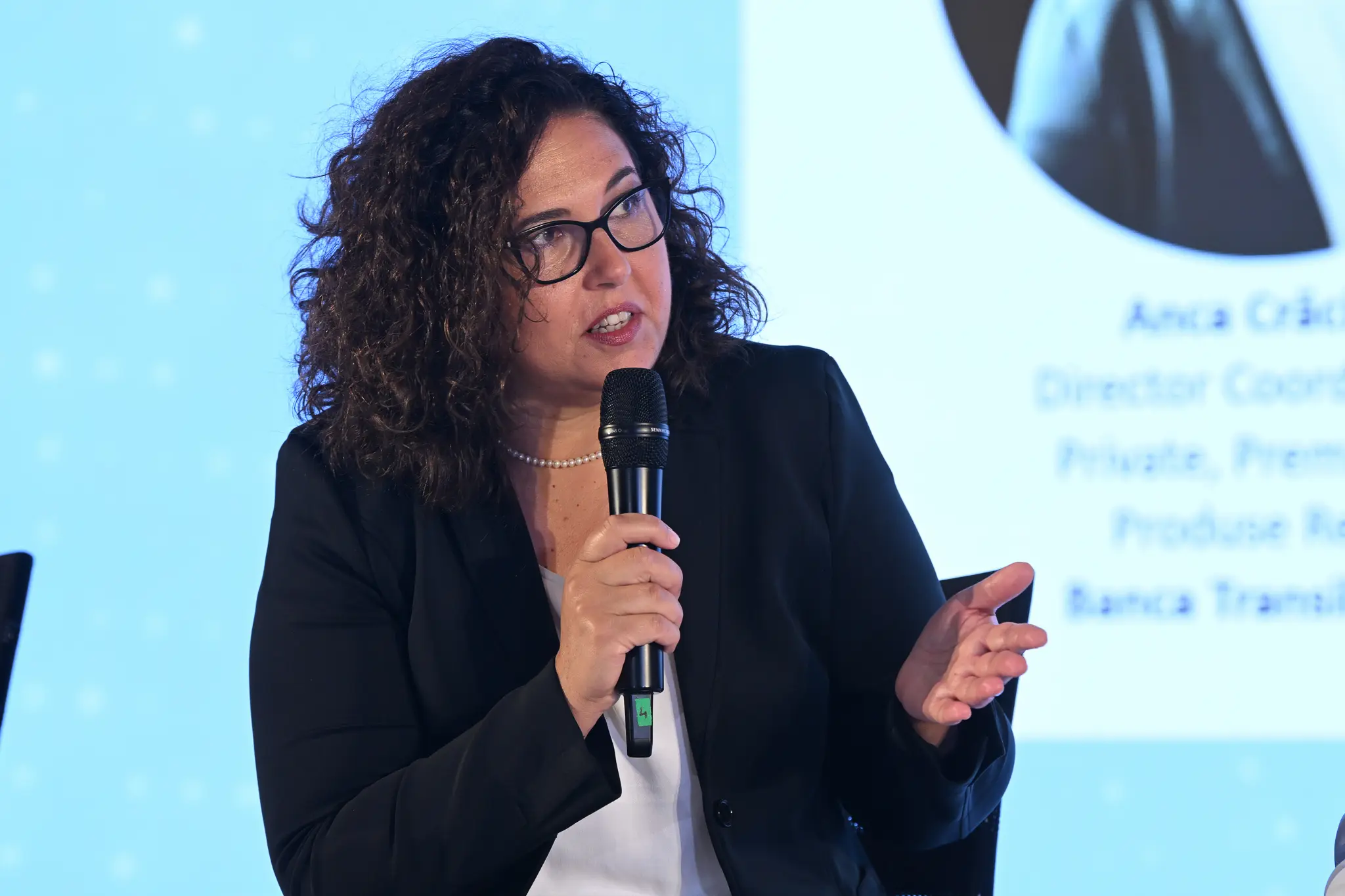
- The private banking market is growing fast. We have over 6,000 clients, over EUR 4 billion in assets under management, and the ticket size is EUR 200,000 for private banking. This money comes from the rise in private wealth. According to The Wealth Report 2026 by Knight Frank, Romania has seen a 93% increase over the past five years in ultra-high-net-worth clients with wealth above USD 30 million, which bodes well for the market. I know that’s the top of the pyramid, but it signals the market is growing.
- We cannot pin down an exact figure for Romania’s potential, but if we consider the numbers floated so far, I think we can speak about 50,000 potential clients in the Romanian market.
- Trust is one of the core values in our relationship with a private banking client, and then we talk about returns. It’s about understanding the client’s needs and diversifying products. We don’t talk about the return on any single product, but on a whole range of products.
- Having a consolidated group behind us gives us the ability to bring all solutions to the table, from savings products to ETFs, access to more than 30 foreign equity markets, etc. We offer portfolio diversification so that overall returns are balanced, from conservative products to the more complex, higher-risk ones.
- We take a long-term view of the client relationship—over a period longer than one year. It very much depends on portfolio structure, the client’s profile, and the liquidity horizon.
- At BT, more than 60% of private banking clients have portfolios in investment products, which is significant. It shows financial literacy has increased considerably lately.
- The ticket size varies. I don’t think the size of the account is what matters. If I look at the BT client profile—a successful entrepreneur aged 45 to 60 who may be receiving dividends, may have sold the business, or just a part of a stake in a business—they now have a different level of financial literacy than a few years ago and understand products differently.
- We are in the most interesting phase of development for Romania’s private banking market: passing the baton to the next generation, handing down wealth. I believe money is made to circulate, and money held in private banking accounts in turn generates more money.
- We look at the client as an ecosystem: we also factor in their company needs and build solutions that fit that stage of development. So I wouldn’t say the money in private banking accounts is necessarily meant to be passed on as inheritance; a mix between wealth transfer and creating new value may well be the picture that characterises the market’s stage of development right now.
Tiberiu Moisă, Deputy CEO, MidCorporate and SME:
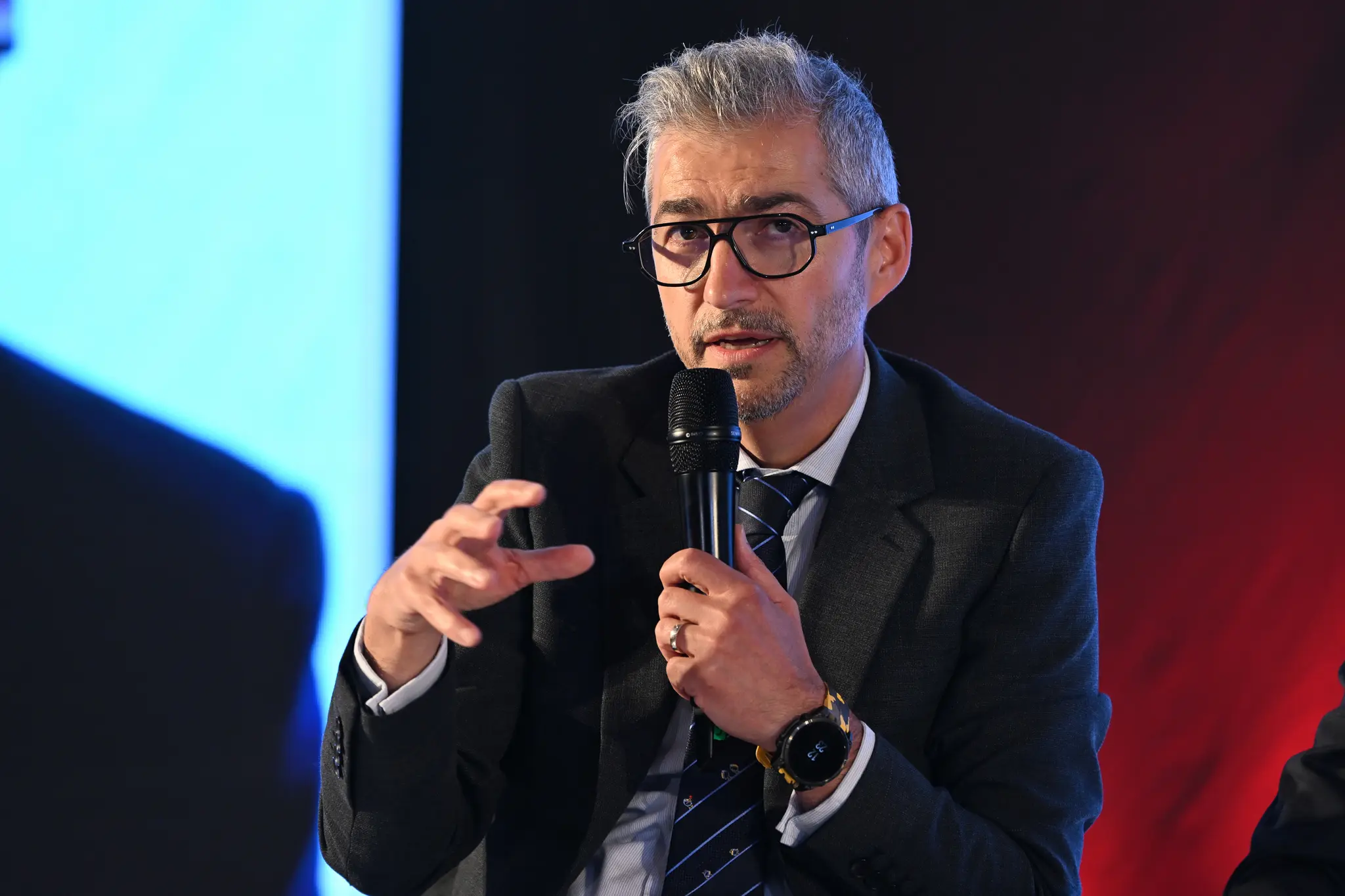
- SMEs in Romania continue to borrow, but the structure of lending is starting to shift: small and medium enterprises are increasingly opting for working capital loans and less for investment financing, amid economic uncertainty, fiscal consolidation and geopolitical pressures.
- The farther you go down to smaller firms and look more closely at SME-type businesses, the sentiment of entrepreneurs and founders has a much greater influence. We have carried out various studies on this, to better understand behaviours and how decisions are made, and we’ve observed this every time. This sentiment weighs heavily on investment decisions, much more than in the case of large companies, which work, of course, with a somewhat longer horizon—at least medium term—where budgets and decisions are not influenced as much by day-to-day events.
- Sentiment today, although everyone speaks in positive terms about the potential we have, is still weighed down when we talk privately with entrepreneurs. It’s an almost unique combination: our domestic issues—fiscal consolidation, adjustments across the board, which implicitly also mean adjustments in consumption—plus international problems and the anxiety generated by the geopolitical context. Emotionally, it’s a rather difficult period for many.
- Just as a household adjusts its spending—or we expect it to adjust spending depending on income—a CFO at a very large company does the same. After they’ve just decided to continue their investment plans, when they go home, as a family, they are much more cautious and adjust consumption. A small company behaves the same way. If it feels this is a time to be more prudent, to stand more on its own feet, that it cannot afford to take certain risky decisions because it looks at the resources and capacities it has, it thinks this is a period to keep a lower profile. That is a form of economic intelligence. It is important to understand that this adaptation is different and can be the expression of economic intelligence, each at their own level.
- Everything happening today as a trend, catalysed by technology, complicates our interactions. In what sense? In the past, as an SME, when you took out a loan from a bank, you had the chance to speak to an analyst, someone who looked after you, and from there you got your first pieces of financial education—or rather, business education. More precisely, your first advice on what not to do with money, not necessarily what to do, because at a bank you learn what not to do, not necessarily what to do.
- Today, these interactions are being streamlined and democratised, so access is much broader for almost any type of company, regardless of size. I don’t think we have a problem with instruments, but these valuable interactions for people are disappearing, because they are being replaced by digital apps, everything moving much faster.
- Even if many banks talk about financial education and do make absolutely commendable efforts in this respect, in reality financial education is something that today largely happens on people’s own initiative.
Bogdan Pleșuvescu, Deputy CEO:
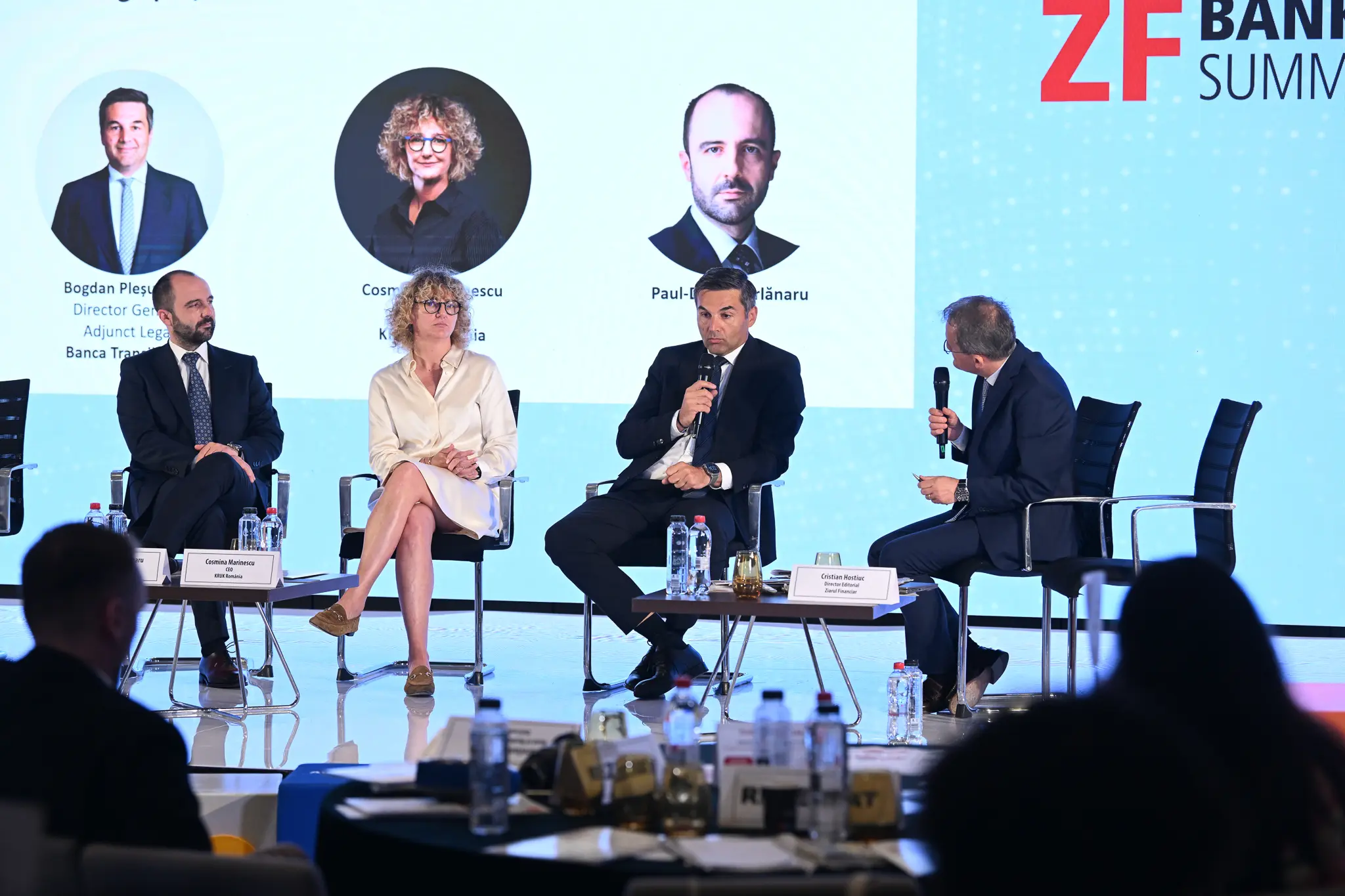
- If it hadn’t been for Q4 last year, the NPL picture would actually have been good. In Q1 we felt a certain inertia from what happened in Q4, and in certain segments—especially trade and agriculture—some companies ran into financial difficulty or defaulted, which required interventions using workout structures. In a way, it reminded us of 2009–2012, because there were weeks when the number of newly entered companies, either into insolvency portfolios or restructuring portfolios, reached similar levels.
- Let’s not forget the courts were on strike for a good part of last summer. As a result, a large number of cases piled up—at least in the area of preventive concordat or insolvency—and once the courts resumed activity, the number of insolvencies increased.
- Looking at volumes in the restructuring market, May 2026 versus May 2025, we see an increase in portfolio restructuring volumes of approximately 27%, which I wouldn’t consider worrying. Given the economic context and last year’s developments, this dynamic was, to a large extent, expected.
- In collections, we can see a trend toward operational efficiency, with heavy investment in technology and AI. We’re no longer talking about RPA bots; we’re implementing AI-driven processes to anticipate customer behaviour and shift from reactive calls to more proactive calls in receivables collection.
- In early-stage collections we use AI, because there are certain clients who naturally run a few days late. Based on the analyses we conduct, there’s no point disturbing those clients with calls or messages. So, based on algorithms, we call only where the probability of entering default is higher.