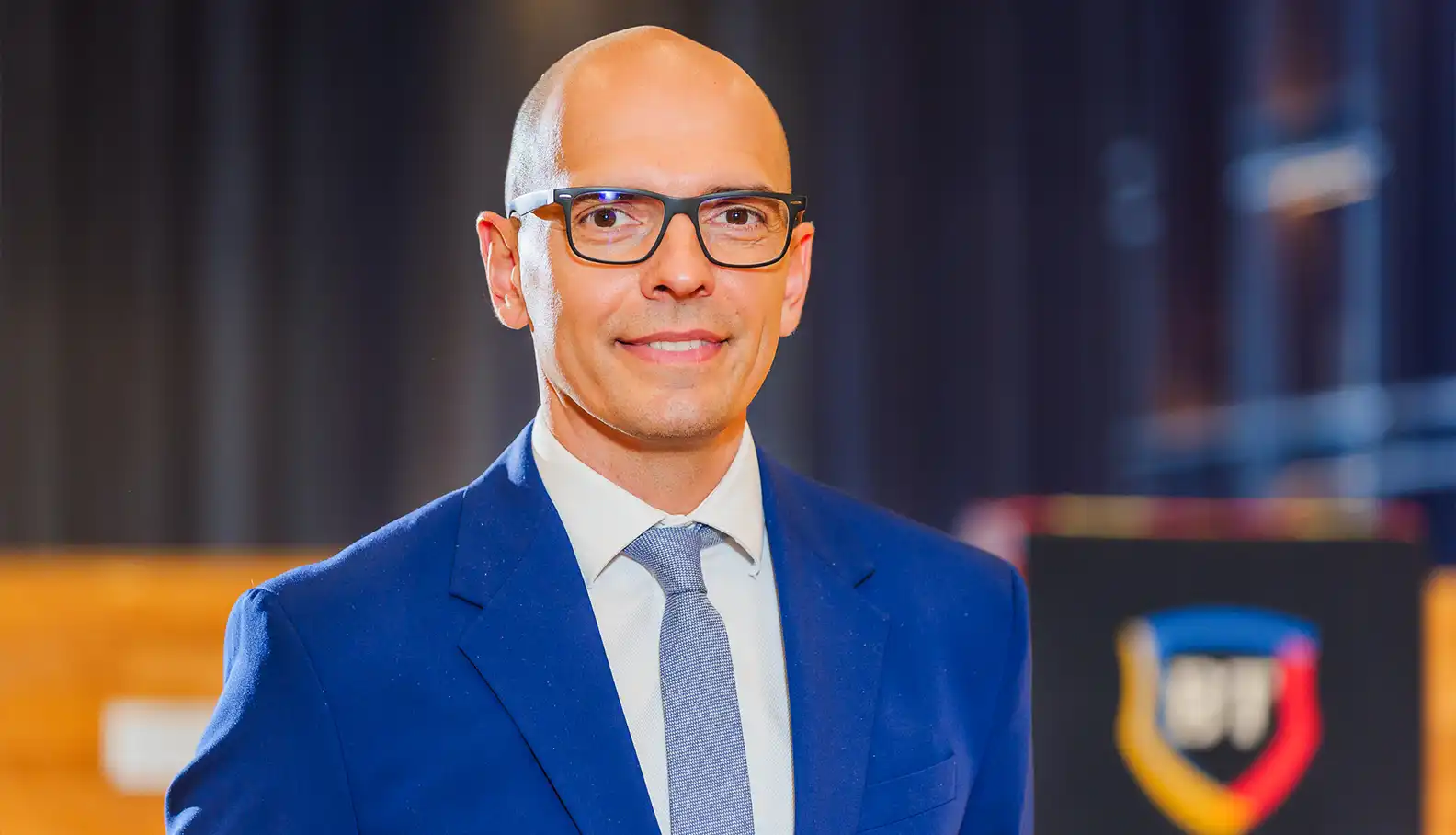
Oana Ilaș, BT: We are seeing a higher financial inclusion rate, a larger retail customer base and more diversified channels for savings
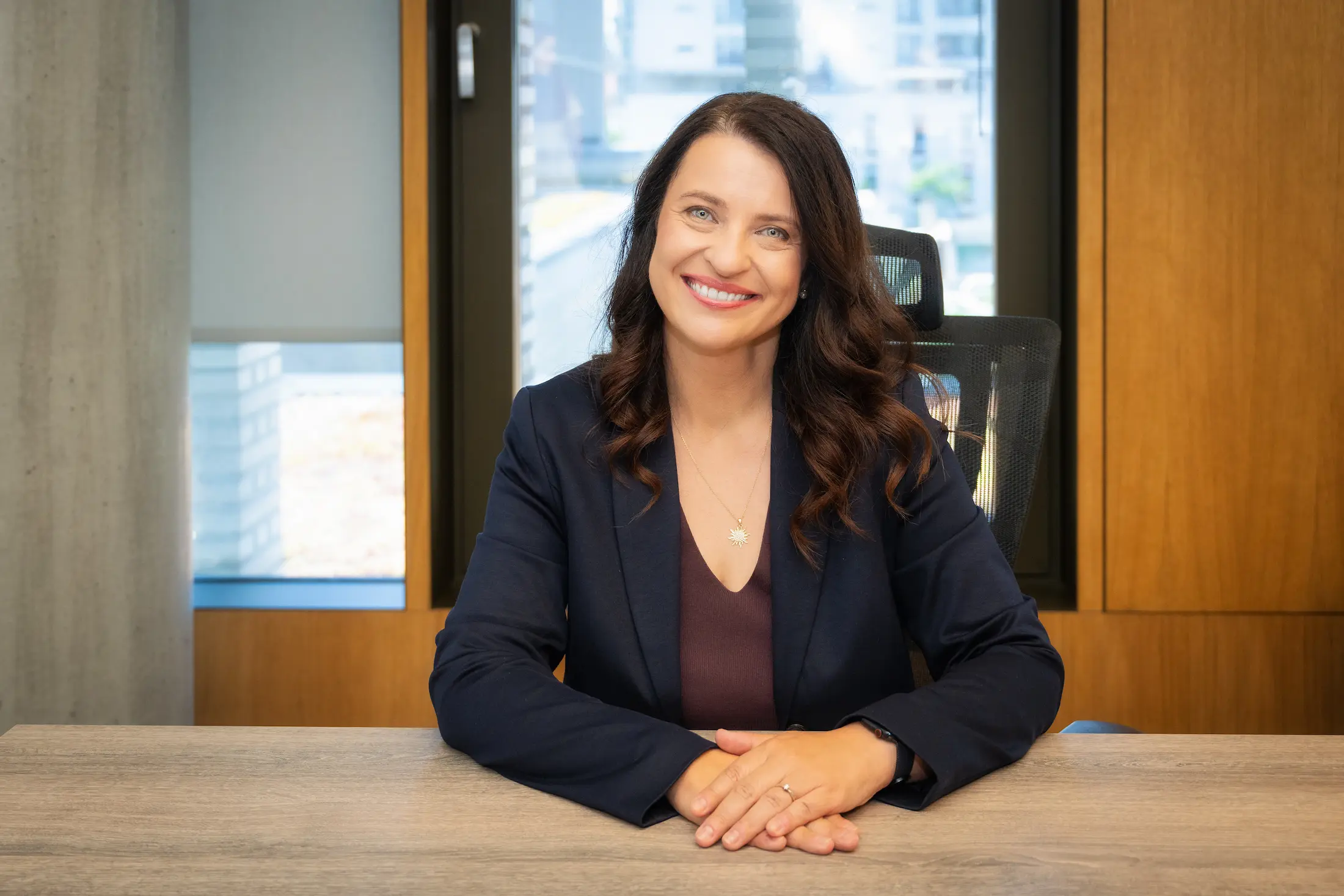
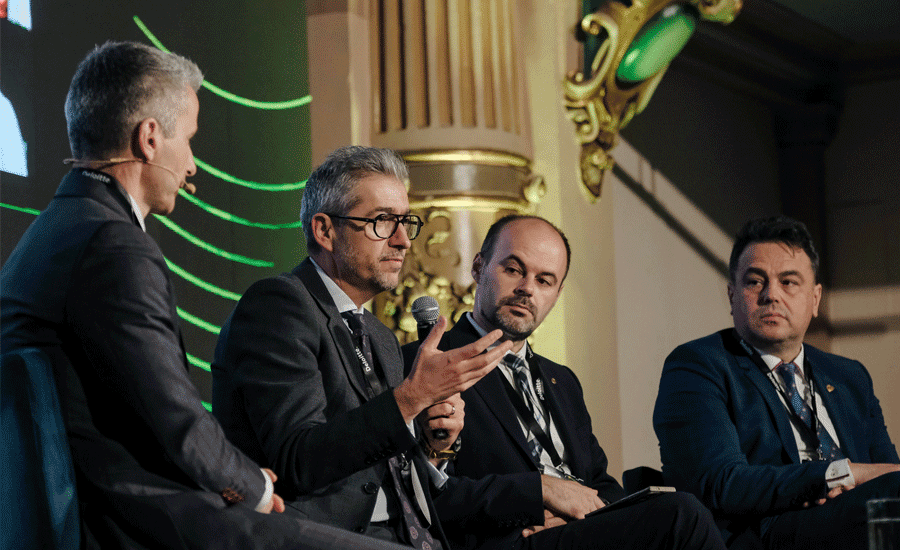
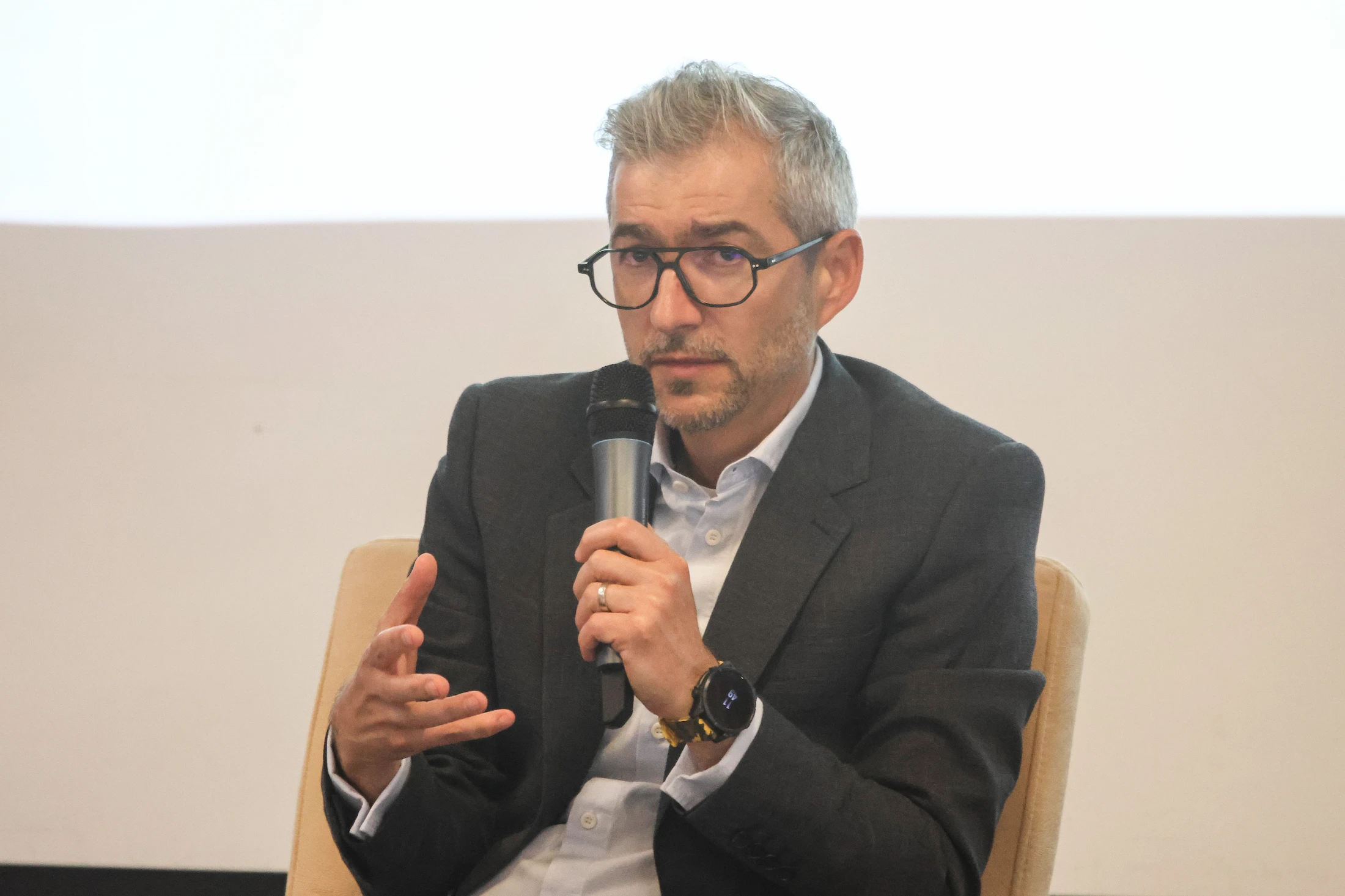
Oana Ilaș, Deputy CEO, Retail Banking, at Banca Transilvania, took part in the KRUK Summit of Now, a conference organized by KRUK in partnership with Ziarul Financiar, on October 12 in Bucharest. During the event, she spoke about the progress of financial inclusion and education, changes in customers’ saving behavior and the role of digitalization in access to investments:
On retail customers’ relationship with banks and the level of financial literacy:
- We are seeing greater financial inclusion and a broader retail customer base across the banking system. I believe the banking sector, as well as universities, high schools and the authorities, have made significant efforts on financial education in recent years and that progress has been made.
- If 5–10 years ago Romanians’ savings went almost entirely into current accounts, term deposits and savings accounts, in recent years we have seen significant diversification.
- Diversifying how people allocate their money does not necessarily require large amounts. Digitalization gives people easier access to information and, equally, enables them to access products, services and much simpler processes for investing their money.
- The number of customers making small investments has increased significantly. In our digital ecosystem we have almost 400,000 BT Asset Management customers, and about 65–70% of them choose to invest small amounts each month. This shows that a habit is taking shape.
On customer behavior in the current context:
- Over the past ten years, Romanians’ incomes have risen sharply. In the last two years, however, purchasing power has been hit by inflation. Wages have continued to grow in nominal terms, but they have not kept pace with rising prices, especially in 2026.
- The latest statistics from the National Institute of Statistics (INS) show that discretionary spending is starting to record a slight increase. Because of the situation we all experienced, people postponed certain spending over the past year, such as buying a TV, a washing machine or other household goods. These categories are now starting to pick up as well.
- The diversification of the baskets in which Romanians place their money has been a positive trend. Year-on-year, the strongest growth has been in investment funds and pensions. My conclusion is that there was disposable income that was not spent and which flowed into these types of investments.
- There is also a greater sense of responsibility, associated with advances in financial literacy. People are starting to attach more importance to financial protection for the future. And we’re not just talking about savings, investments or pensions. More and more customers are taking out home and life insurance so they can handle unforeseen events more easily and responsibly.
- I believe the jars method is the right one when we talk about the basics of financial education. More and more people, although still not enough, have started to apply it. They set money aside in current accounts, savings accounts and deposits to build an emergency fund. Once that fund takes shape, they start putting money into the other jars. I think this behavior is starting to become a reality and new financial habits are taking hold.
On Romania’s potential:
- Romania has significant potential. In investments, only 1 leu in 10 is allocated to alternatives such as funds, compared with approximately 30% in Western markets. Mortgage lending also has substantial room to grow. Even though Romania has the highest share of homeowners, we likewise have the highest rate of overcrowded housing, and the price per square meter, although it may seem to have risen a lot, is still below that of more developed markets.