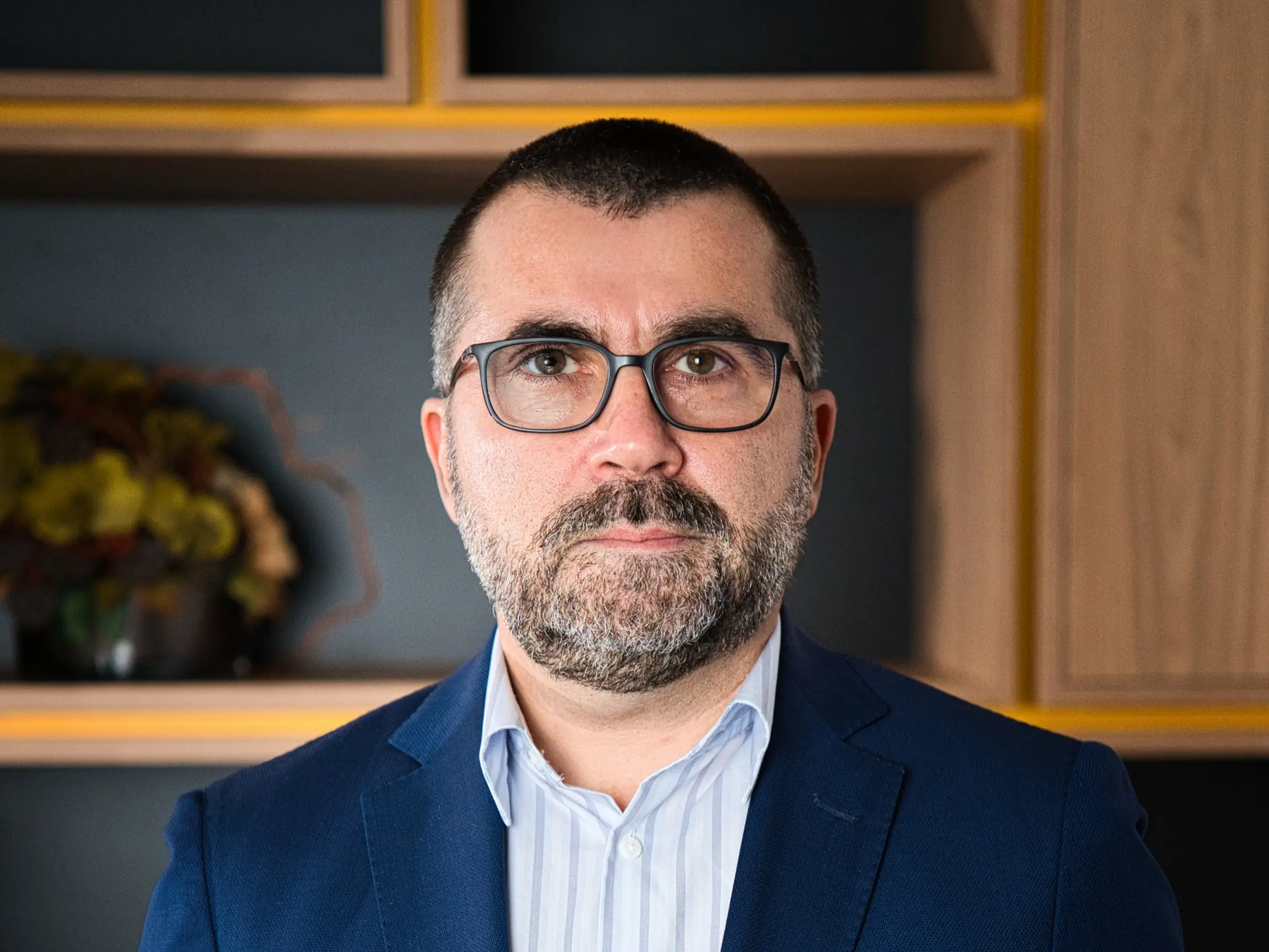
Valentin Coroiu, CEO of BT Broker de Asigurare: Technology can amplify the value a broker provides, but it cannot replace expertise and the human relationship
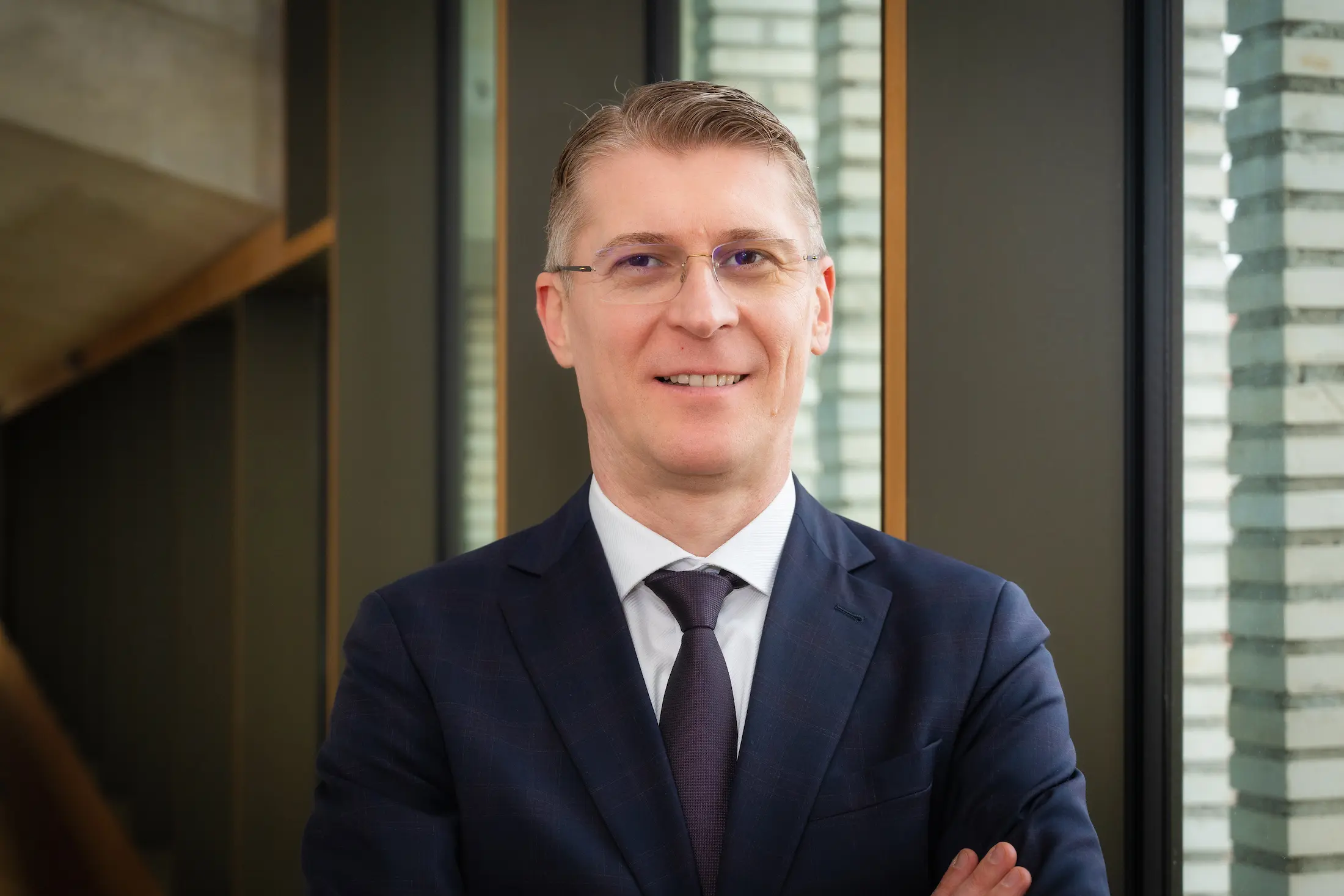
In an interview with Revista Primm, Valentin Coroiu, General Manager of BT Broker de Asigurare, discusses the impact of technology and artificial intelligence on the brokerage industry and how they are changing client relationships.
How are technology and artificial intelligence changing brokerage, and what do you see as the most important benefits for clients?
Technology and artificial intelligence are fundamentally changing how the brokerage industry operates. They allow us to work faster and more efficiently, and to stay closer to client needs by digitizing processes and providing instant access to relevant information.
For clients, the benefits are clear: speed, transparency and better‑tailored solutions. At the same time, the broker gains time for what truly matters: advisory work, understanding the client’s real needs and building a relationship of trust.
As for artificial intelligence, I believe we are only at the beginning of a process that will bring major changes to the industry. The opportunities are significant, but it is important to strike a balance between enthusiasm for innovation and the caution any new technology requires. AI must be tested, monitored and integrated gradually so that benefits are maximized and risks are properly managed. In the end, technology can amplify the value a broker delivers, but it cannot replace the expertise and human relationship at the core of quality advisory work.
If you had to choose a single technology project that significantly changed how the company you run operates, which one would it be and why?
If I had to pick one project that significantly changed how we operate, it would be the optimization of our quoting and issuance platform for leasing clients. This was a strategic step in the company’s digital transformation, enabling us to automate core processes, simplify client interactions and increase operational efficiency across the organization.
The impact was immediate. Today, clients benefit from a fast, simple and transparent process, with easy access to quotes and to the information they need to make informed decisions. At the same time, automation has allowed us to reduce manual activities significantly, lower operational risks and improve the accuracy and consistency of the services we provide.
Digitalization is not a project with an end point, but a continuous process. We constantly invest in modernizing our platforms and continuously evaluate innovative solutions that can add value for clients, including in the area of artificial intelligence. Our objective is to stay at the forefront of technological developments and to turn these innovations into tangible benefits for our partners and clients.
Looking ahead to the next five years, how do you think the broker’s role will evolve in a market where technology and artificial intelligence will be ever more present?
Most likely, over the next five years we will see the broker’s role redefined, alongside a rise in its importance. Technology and artificial intelligence will take over more and more administrative, repetitive and data‑processing tasks, helping to increase efficiency and simplify client interactions.
As these tools become more capable, the broker’s contribution will focus even more on advisory, expertise and understanding each client’s specific needs. This will be even more evident in the corporate segment and/or for highly complex products, where decisions cannot be made solely on the basis of algorithms or automated comparisons.
Technology and artificial intelligence will provide faster access to information, more relevant analysis and a greater ability to tailor solutions, allowing brokers to devote more time to activities that create high value for clients.
Ultimately, the differentiator will be the ability to combine the efficiency of technology with professional judgment, experience and the trust‑based relationship built with the client. The more complex the business environment and risks become, the more important the broker’s role as a partner for advice and risk management will be. Technology will amplify that value, but the human factor will remain essential in decision‑making.